RCI PROVIDES REPRODUCTIVE HEALTH CARE TRAINING FOR EMPLOYEES WITH DISABILITIES AT TOKYOLIFE
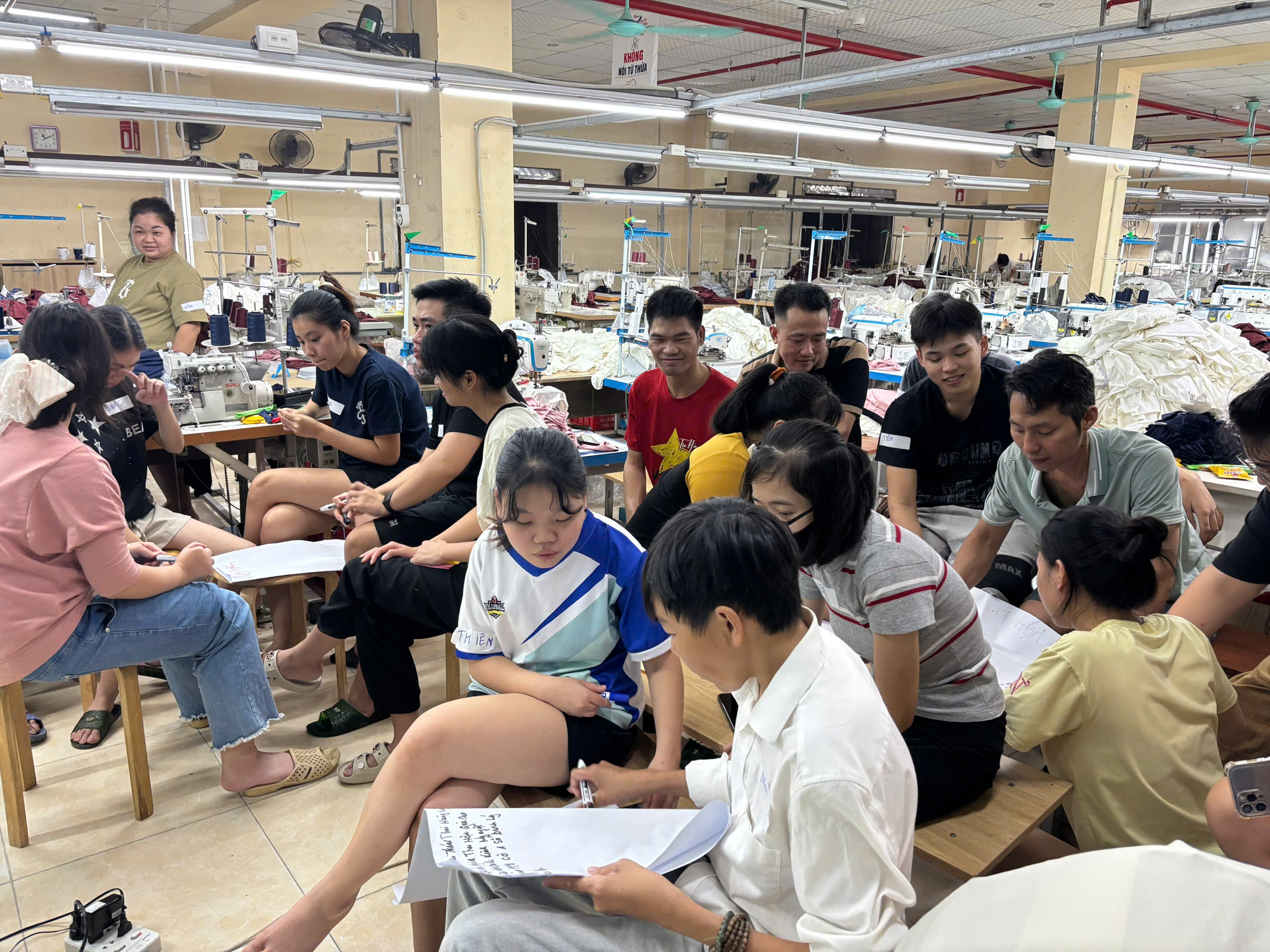
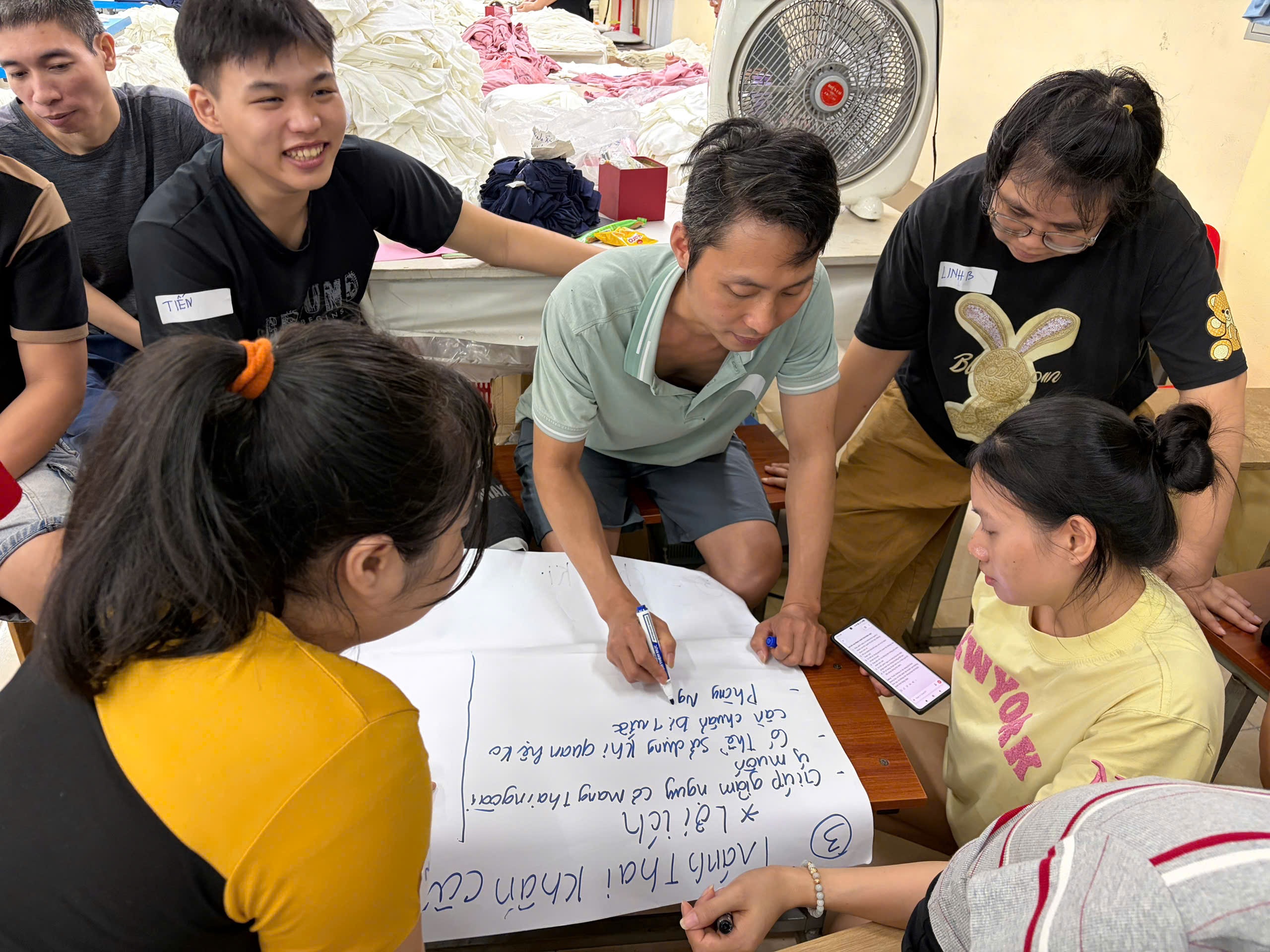
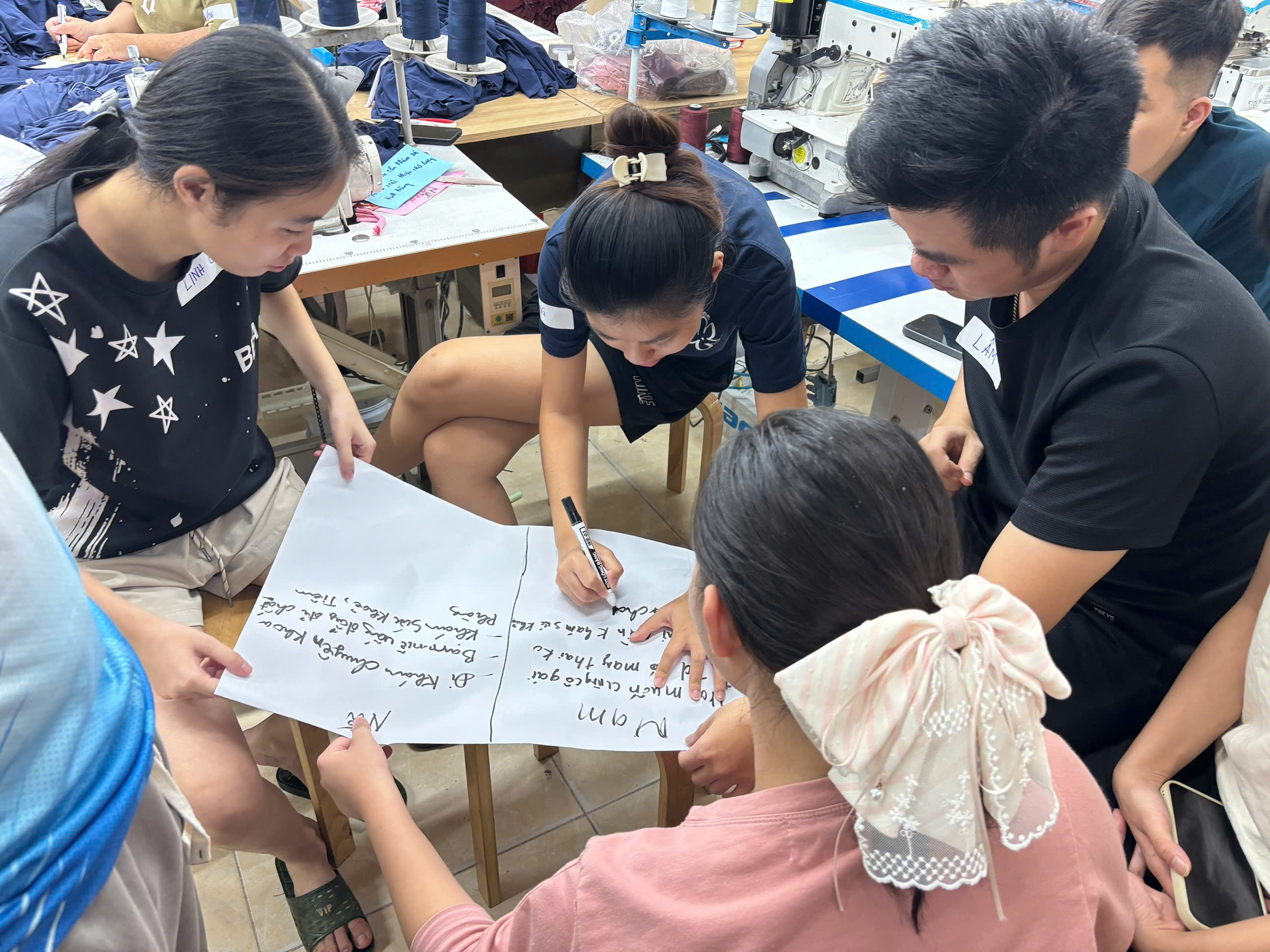
On 4 November, the Research Center for Inclusion (RCI), in collaboration with the Training Department of STAAAR Joint Stock Company – the company authorised to use the TokyoLife brand in Viet Nam – organised a training session entitled “Strengthening Knowledge and Practices in Reproductive and Sexual Health Care for Persons with Disabilities”. The programme brought together 25 employees with disabilities working at the TokyoLife garment workshop at 431 Nguyen Van Cu Street, Ha Noi.
The training aimed to provide knowledge and strengthen practical skills related to reproductive and sexual health. Through the programme, participants gained essential information to help them take greater responsibility for their health, protect themselves and make informed choices in their daily lives.
Building Knowledge of Safe Sex, Consent and Personal Boundaries
During the training, participants explored the topic of safe and healthy sexuality, focusing on three key areas: the concept of safe sex, consent and its essential characteristics, and personal boundaries.
These topics helped participants better understand their right to make decisions about their own bodies, respect their own boundaries and those of others, and recognise the importance of consent in relationships.
The programme also covered marriage and the responsibilities of parenthood, the processes of fertilisation and conception, signs of pregnancy, and common contraceptive methods.
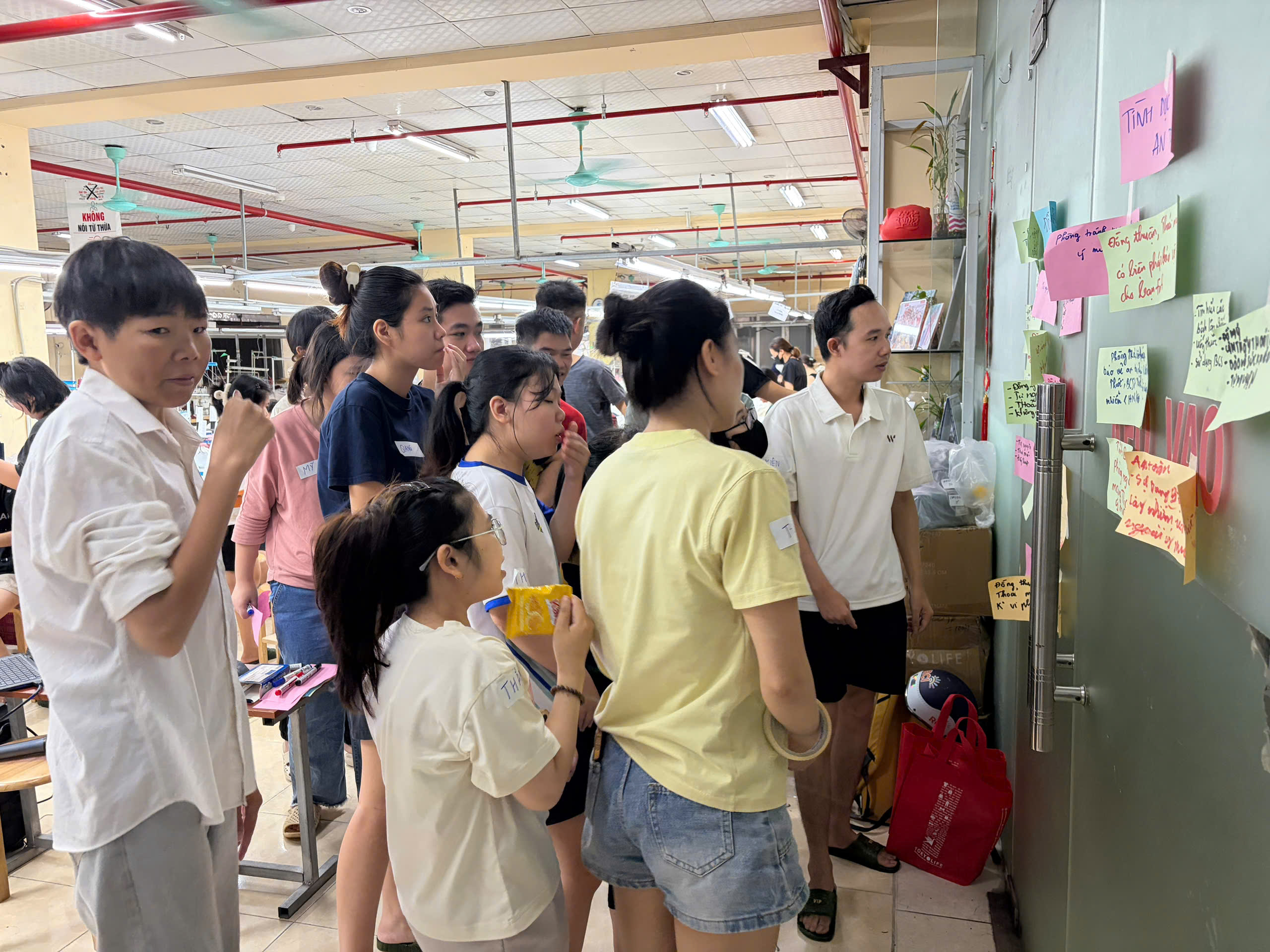
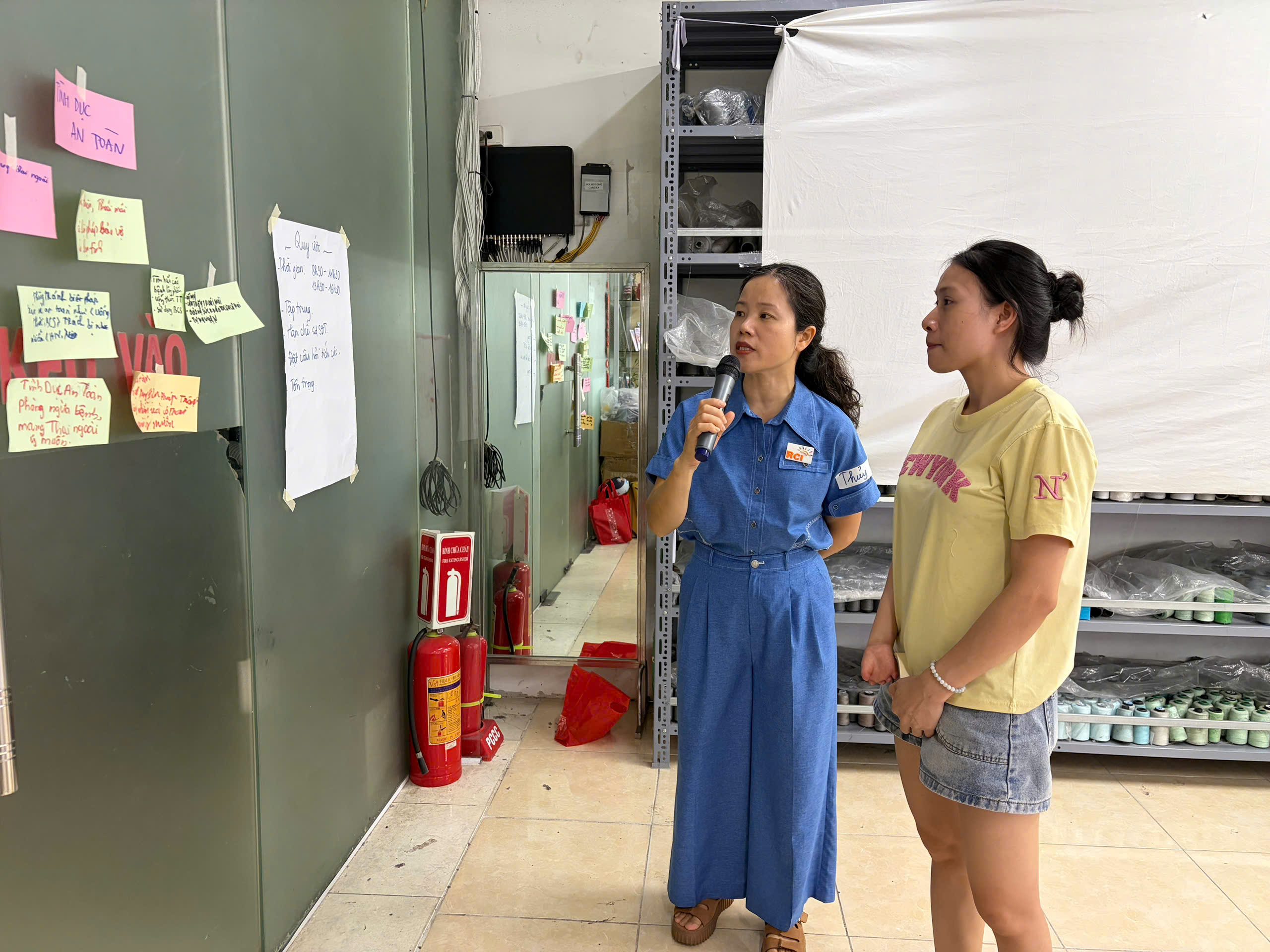
Learning about Contraception and The Prevention of Sexually Transmitted Infections
The training continued with a more in-depth discussion of contraceptive methods, the consequences and prevention of sexually transmitted infections (STIs), and the importance of STI testing.
Participants also learned about safe motherhood, including health care before, during and after childbirth, as well as warning signs that require attention. These topics helped participants gain a better understanding of reproductive health care and recognise issues that may require appropriate support or medical attention.
Through these sessions, employees had the opportunity to access systematic information on reproductive and sexual health, helping them strengthen their ability to care for and protect their own health.
Promoting Equal Access to Health Information
Organising the training at the workplace created opportunities for employees with disabilities to learn and discuss issues that are directly relevant to their lives. It also contributed to promoting a working environment that gives greater consideration to the health, needs and rights of employees with disabilities.
RCI appreciates the collaboration of the Training Department of STAAAR Joint Stock Company and TokyoLife in organising the programme. Partnerships with businesses play an important role in expanding access to reproductive and sexual health information and knowledge for persons with disabilities.
To learn more about RCI’s work in reproductive and sexual health, please visit:
- Colours Of Happiness Event: Barrier-Free Love and Equal Access to Reproductive Health Services
- Comprehensive Sexuality Education Program for Deaf Students at C5 Center
- RCI Joins Training on Sexual and Reproductive Health and Rights in the Netherlands
For more information about the project, please access our website at this link:
RCI.NLR or follow our Facebook page at: Research Center for Inclusion