COLOURS OF HAPPINESS EVENT: BARRIER-FREE LOVE AND EQUAL ACCESS TO REPRODUCTIVE HEALTH SERVICES
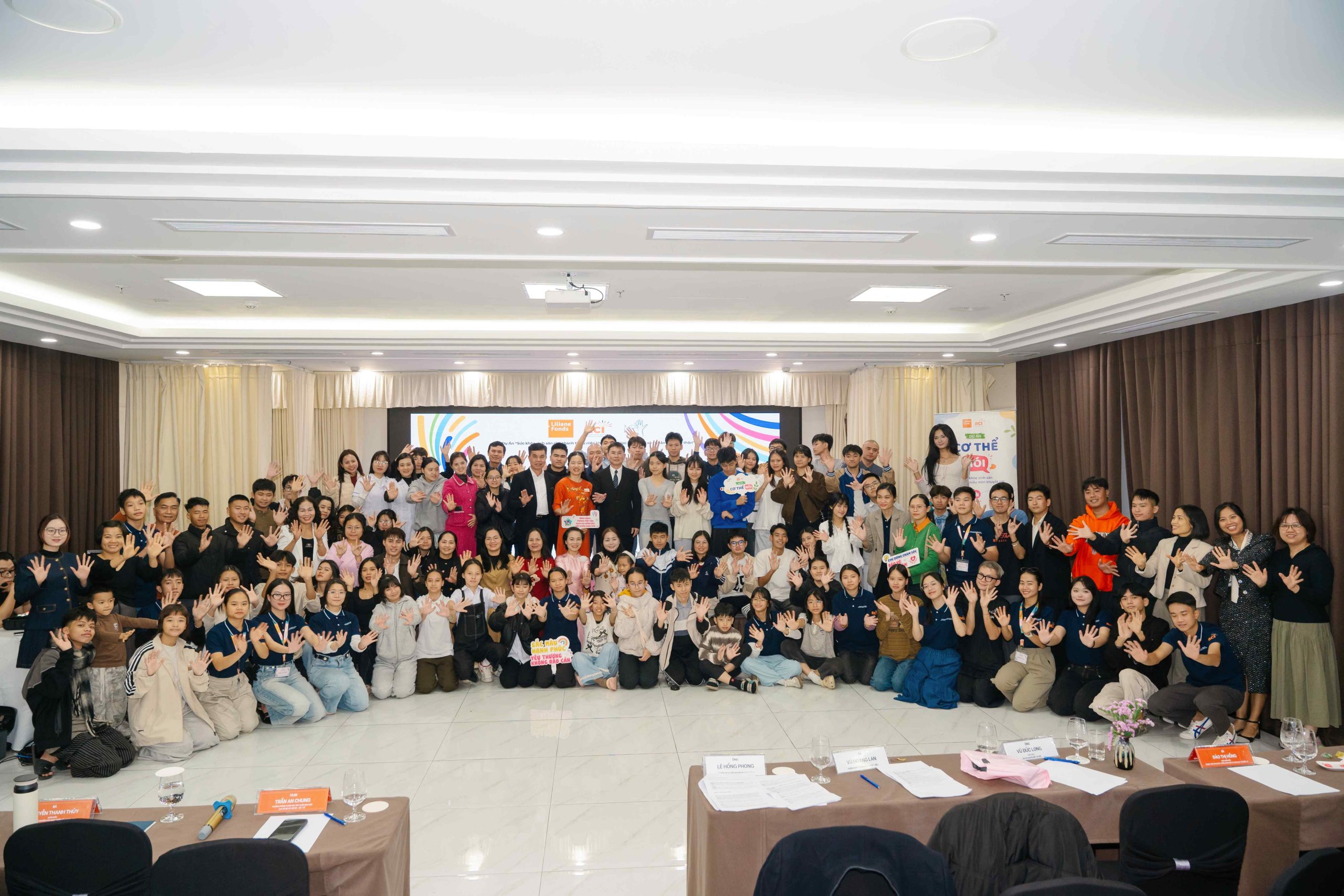
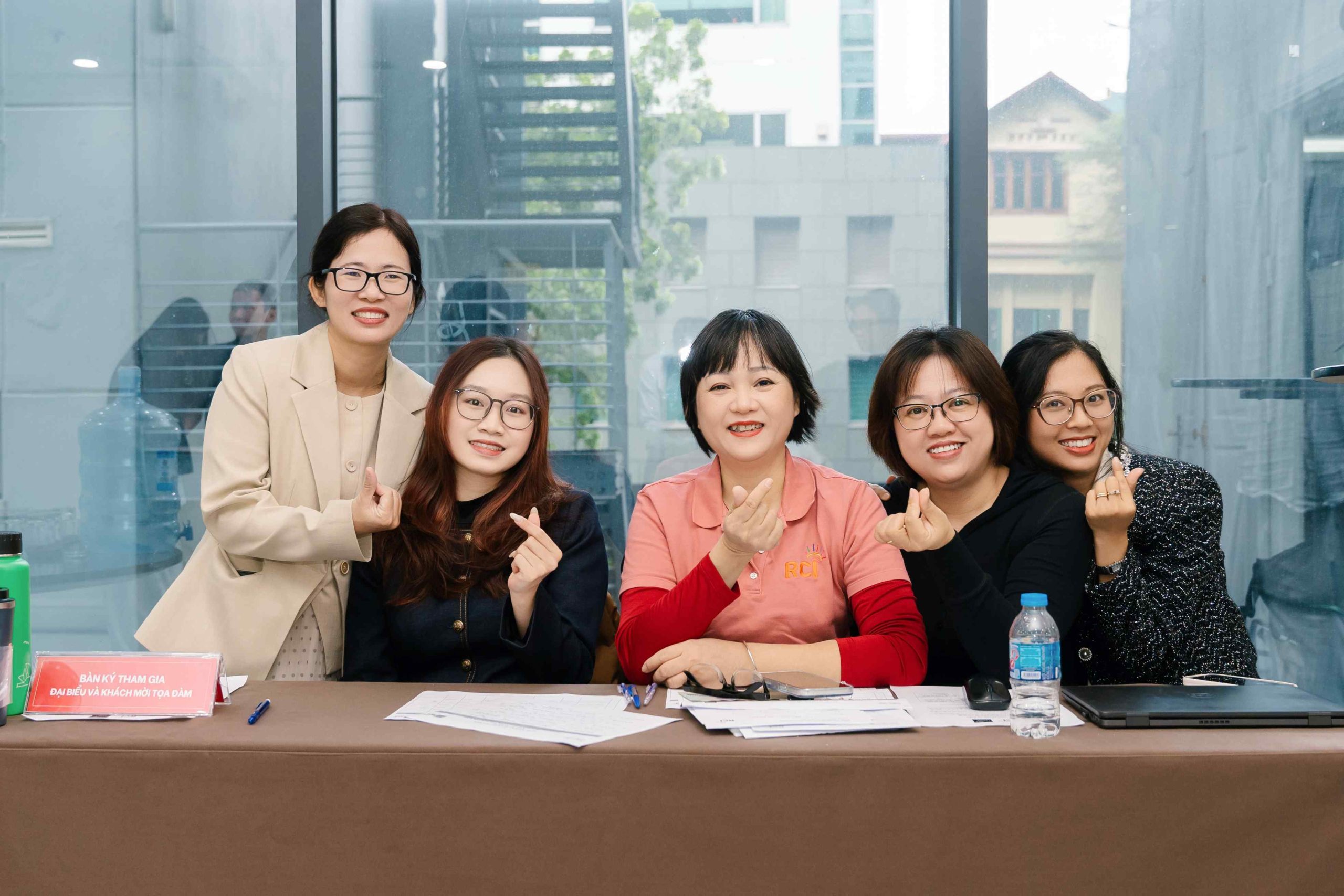
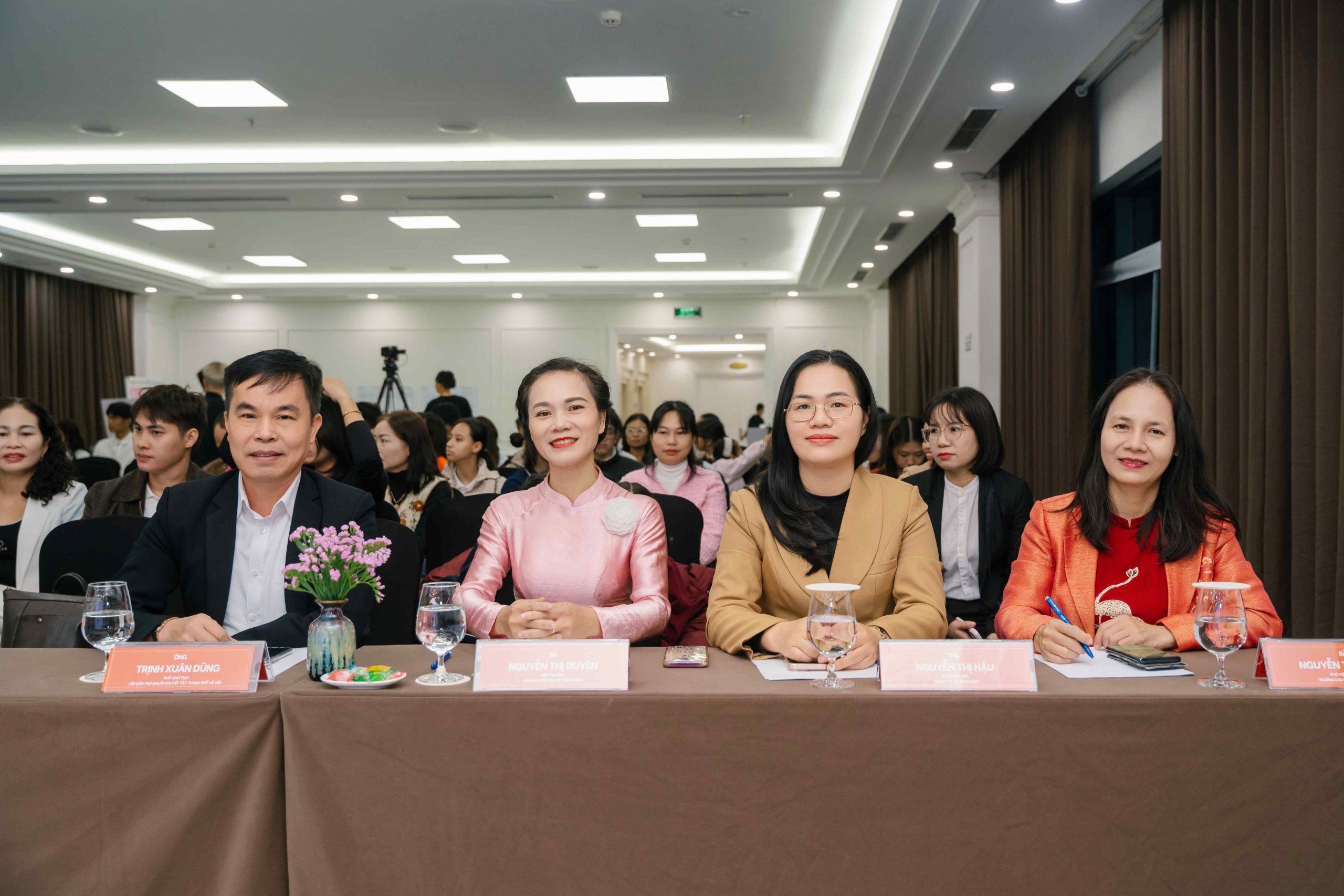
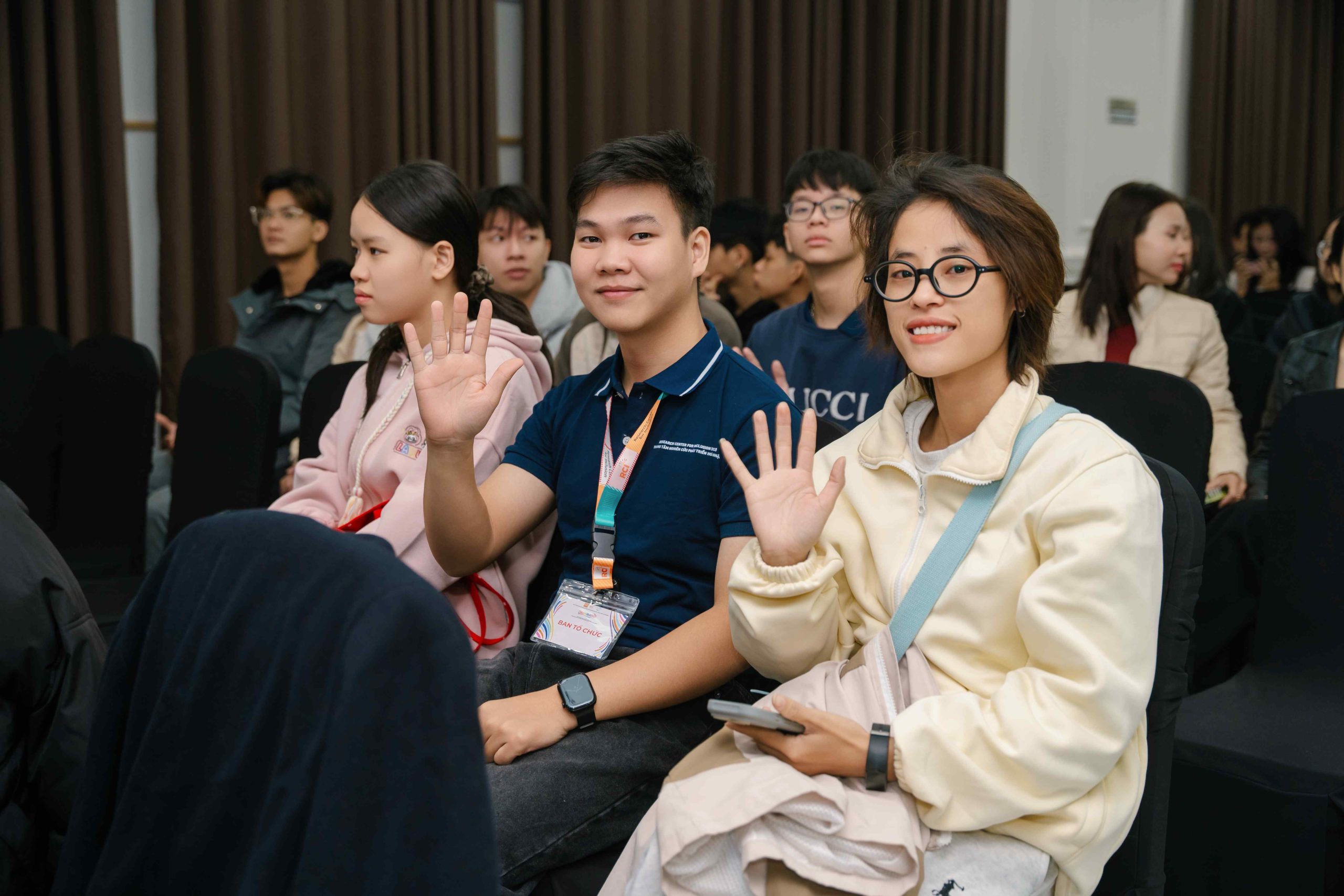
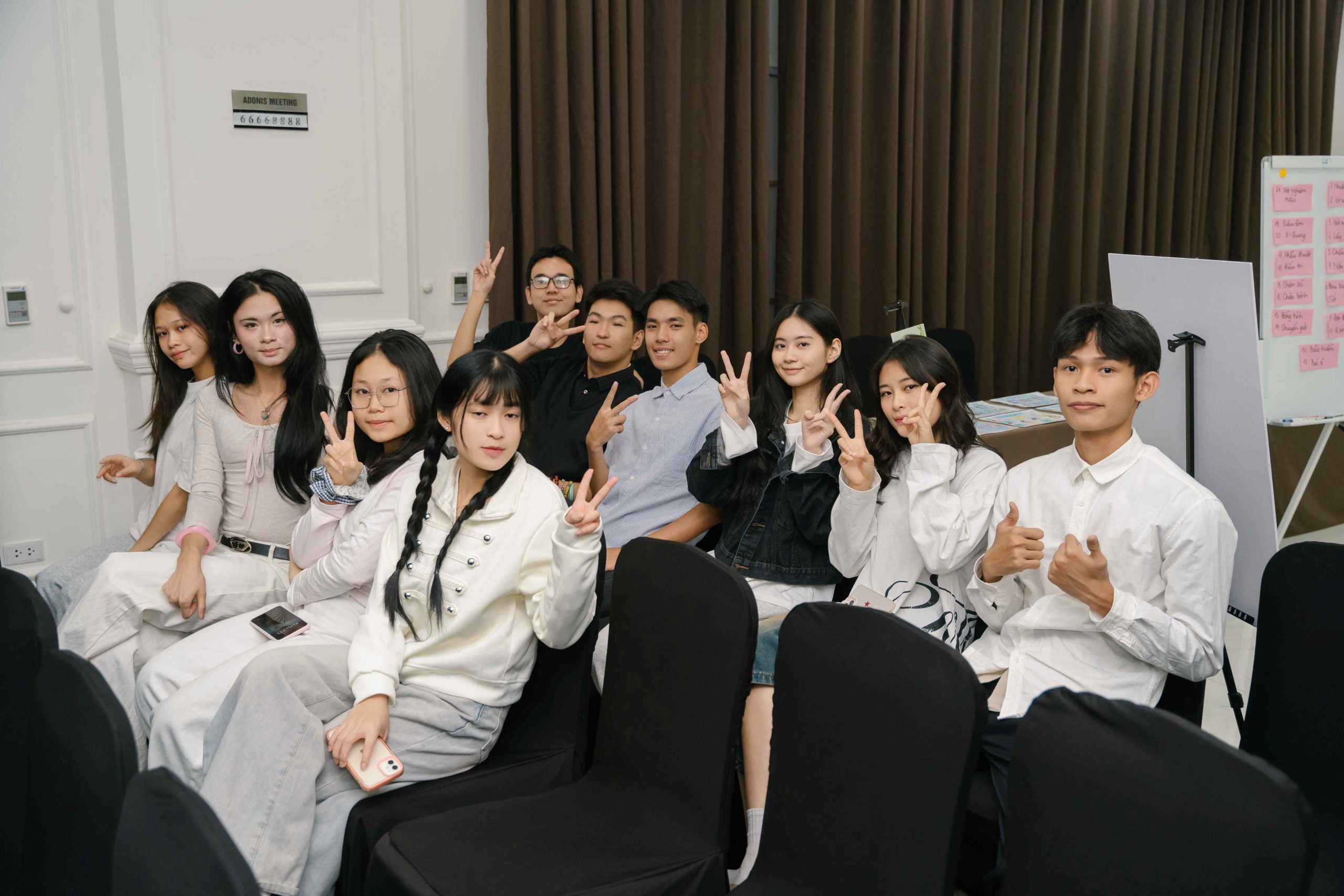
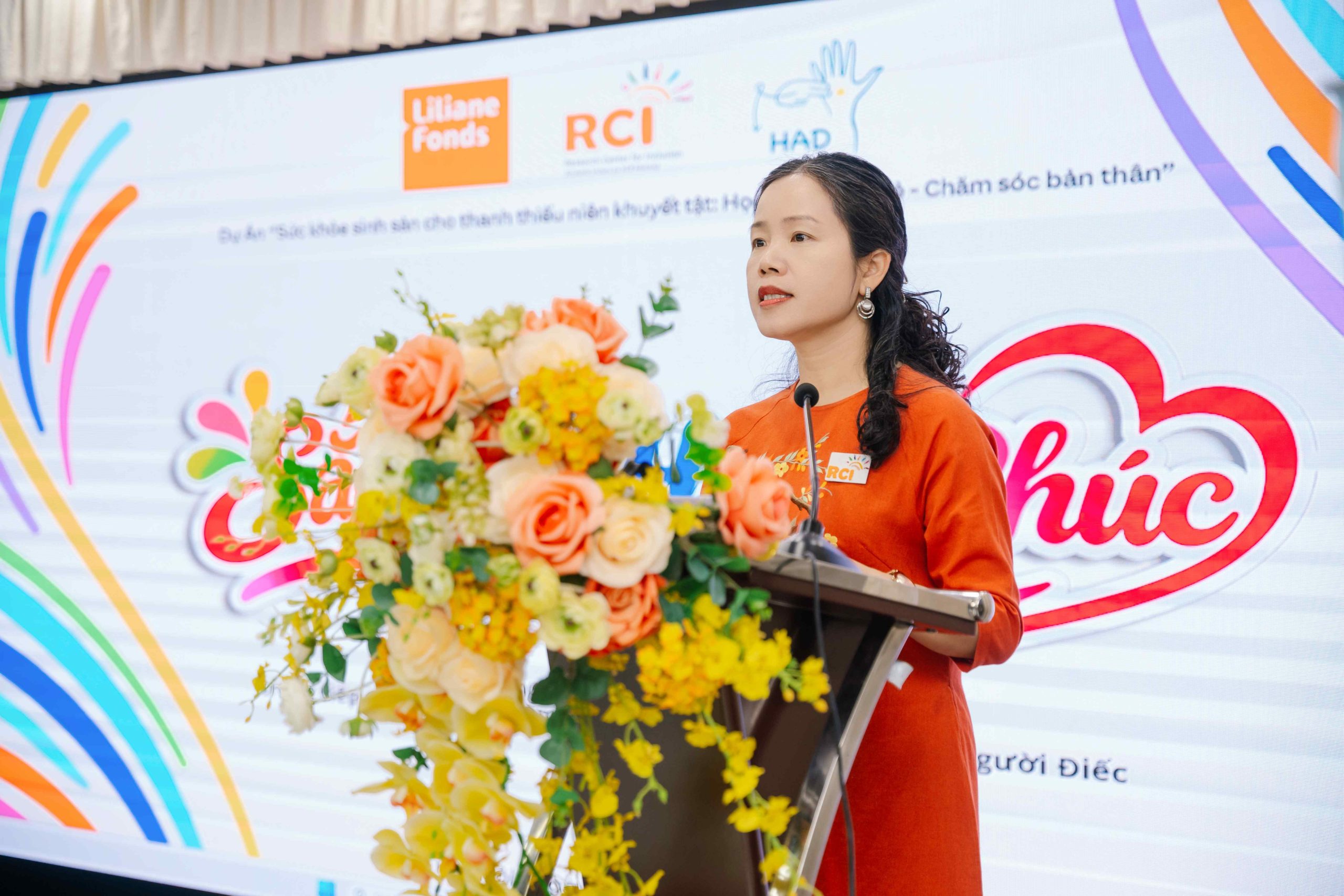
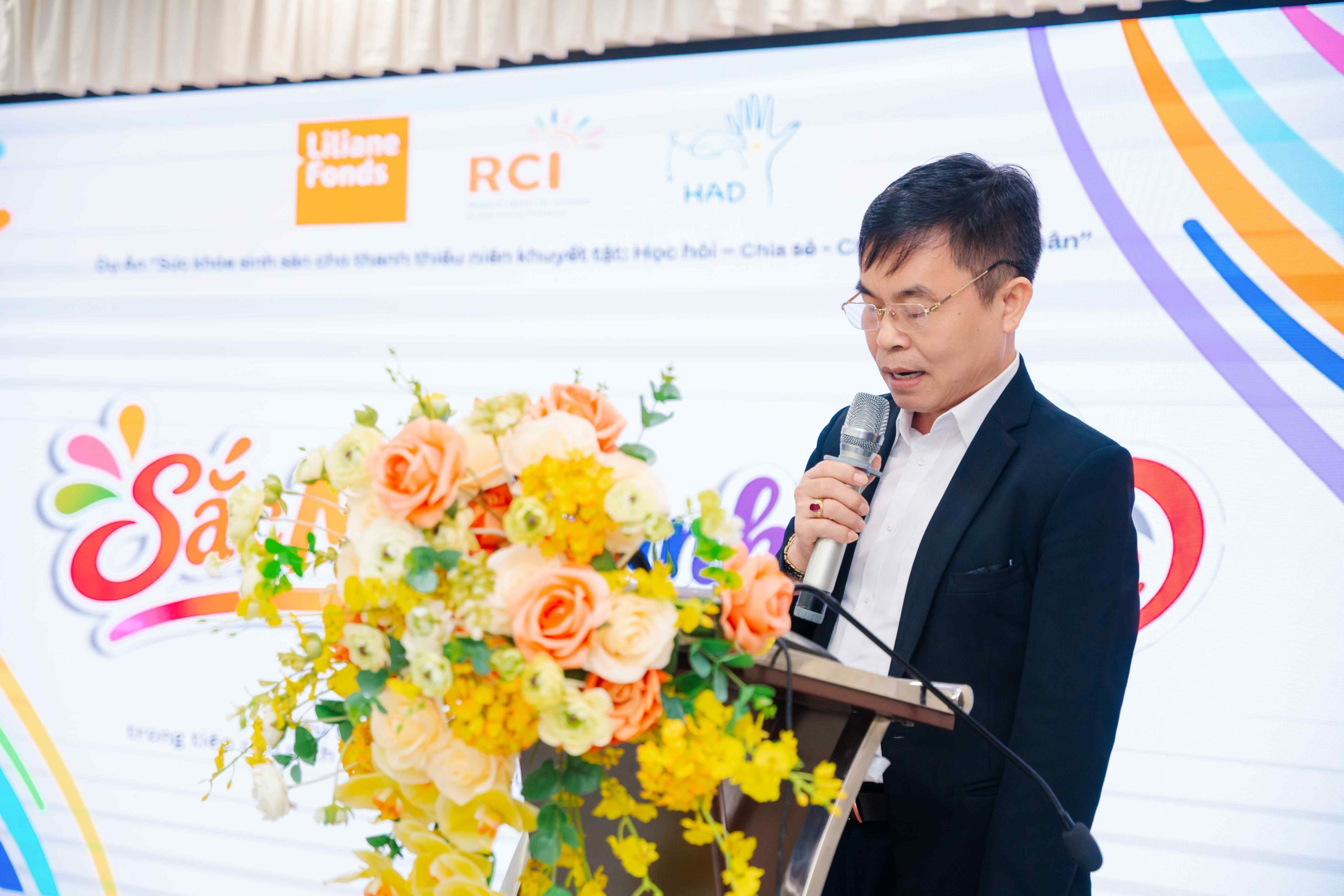
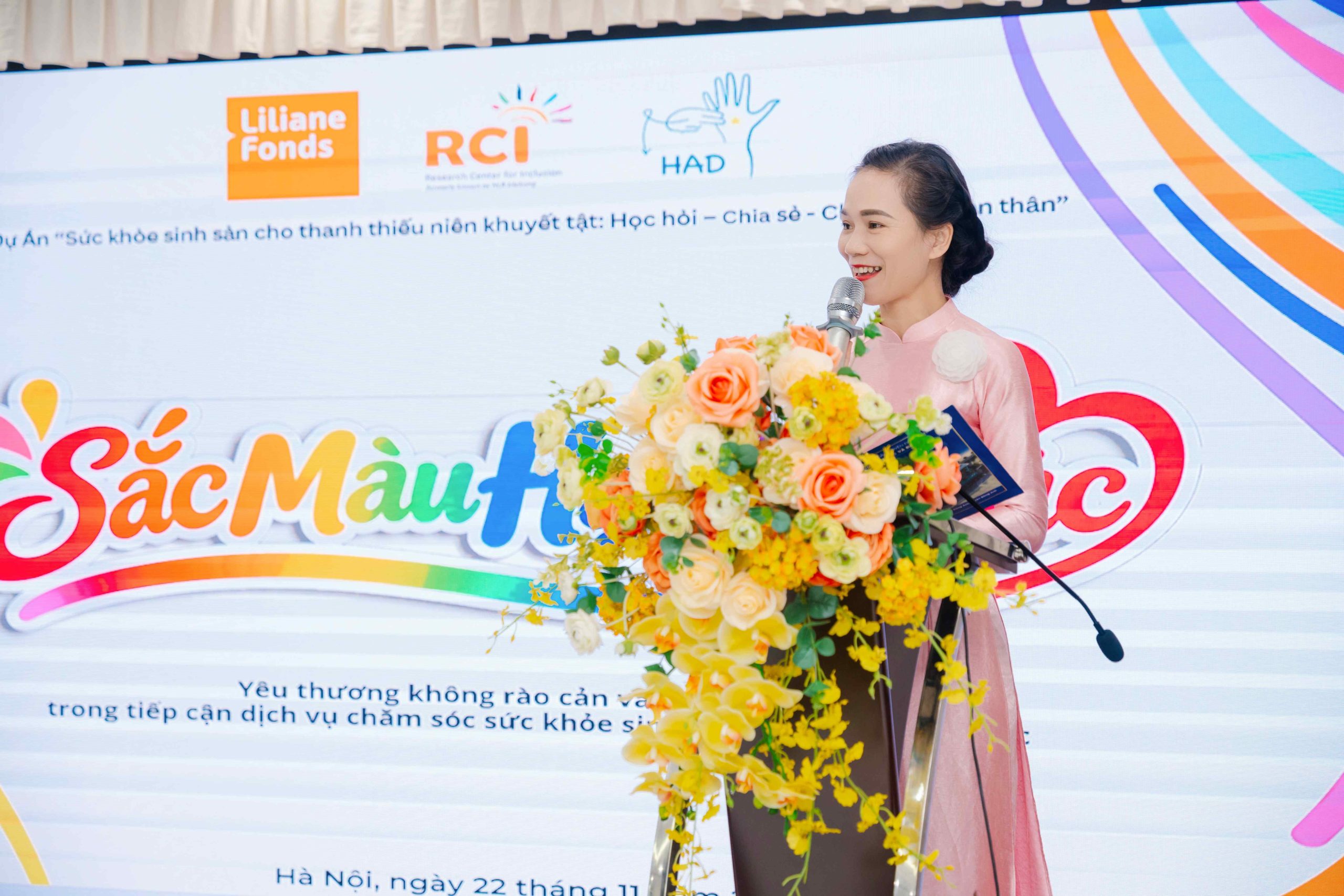
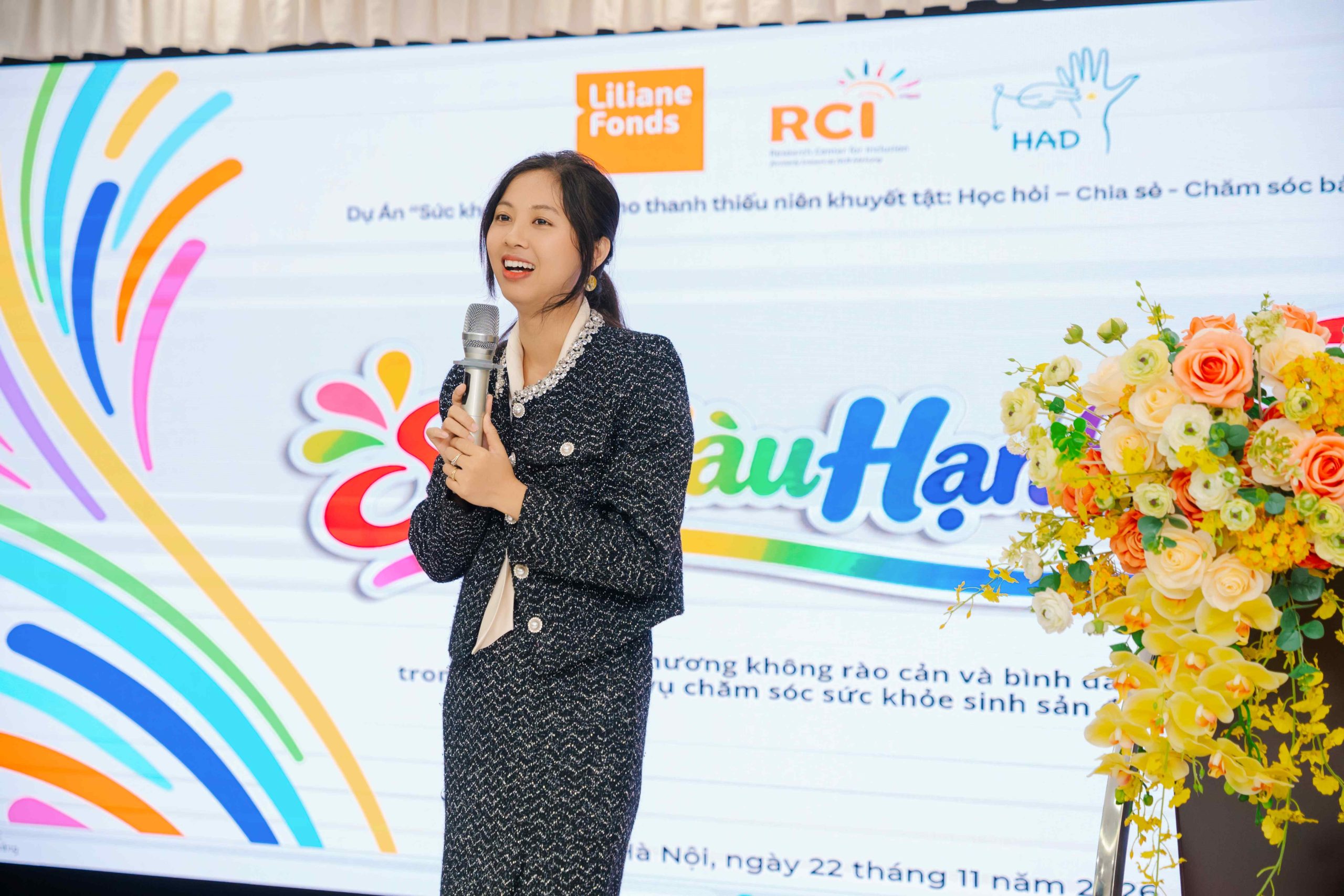
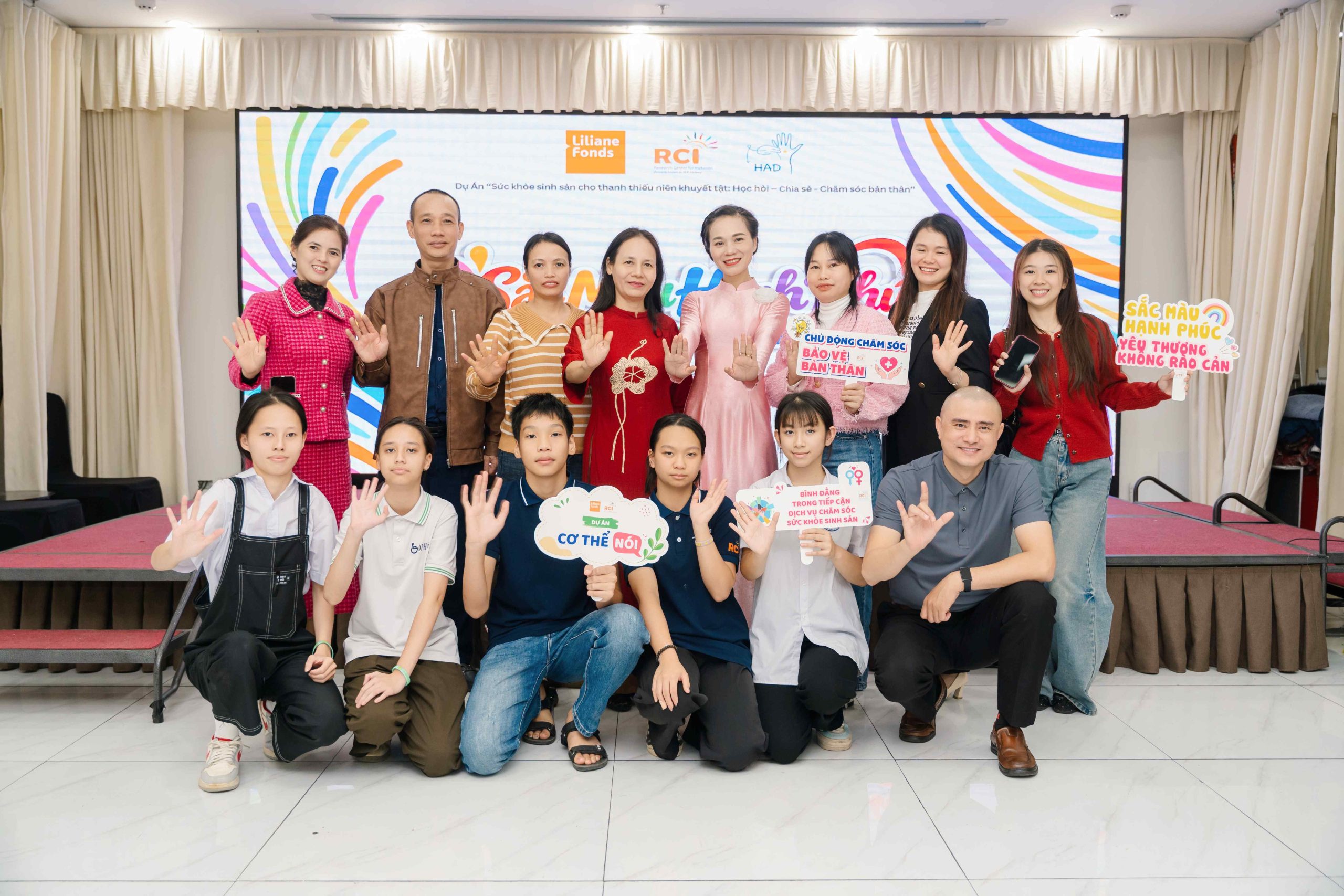
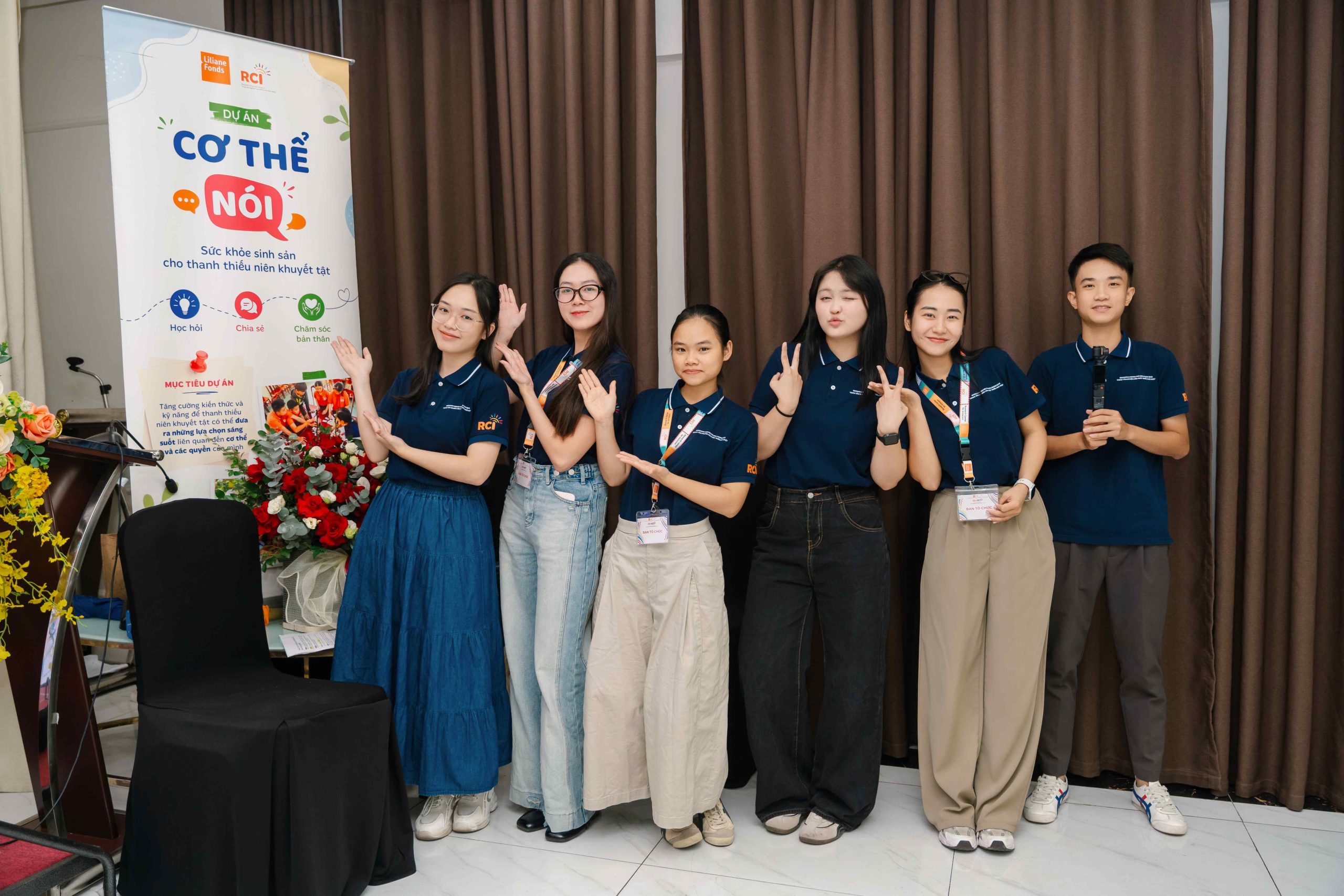
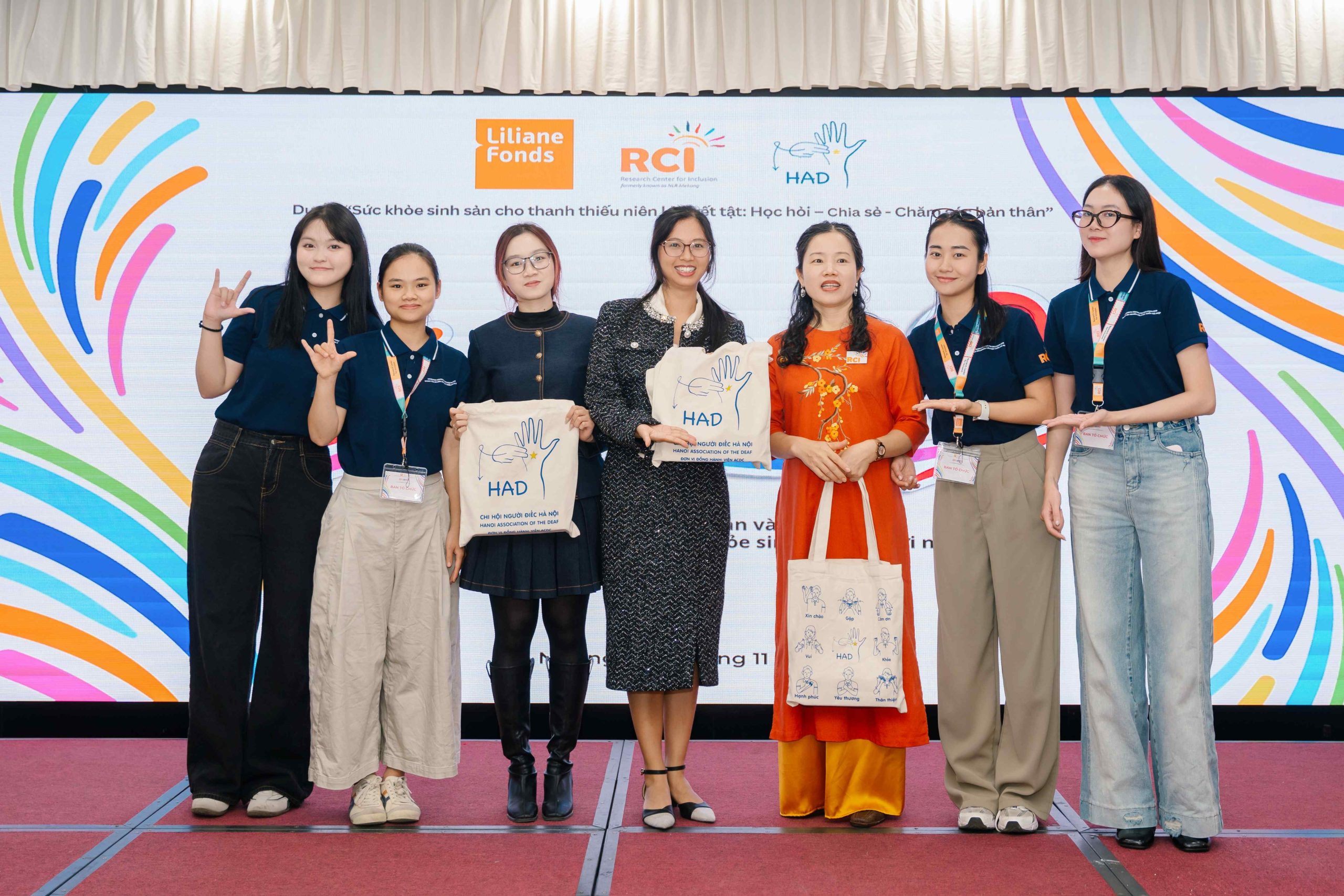
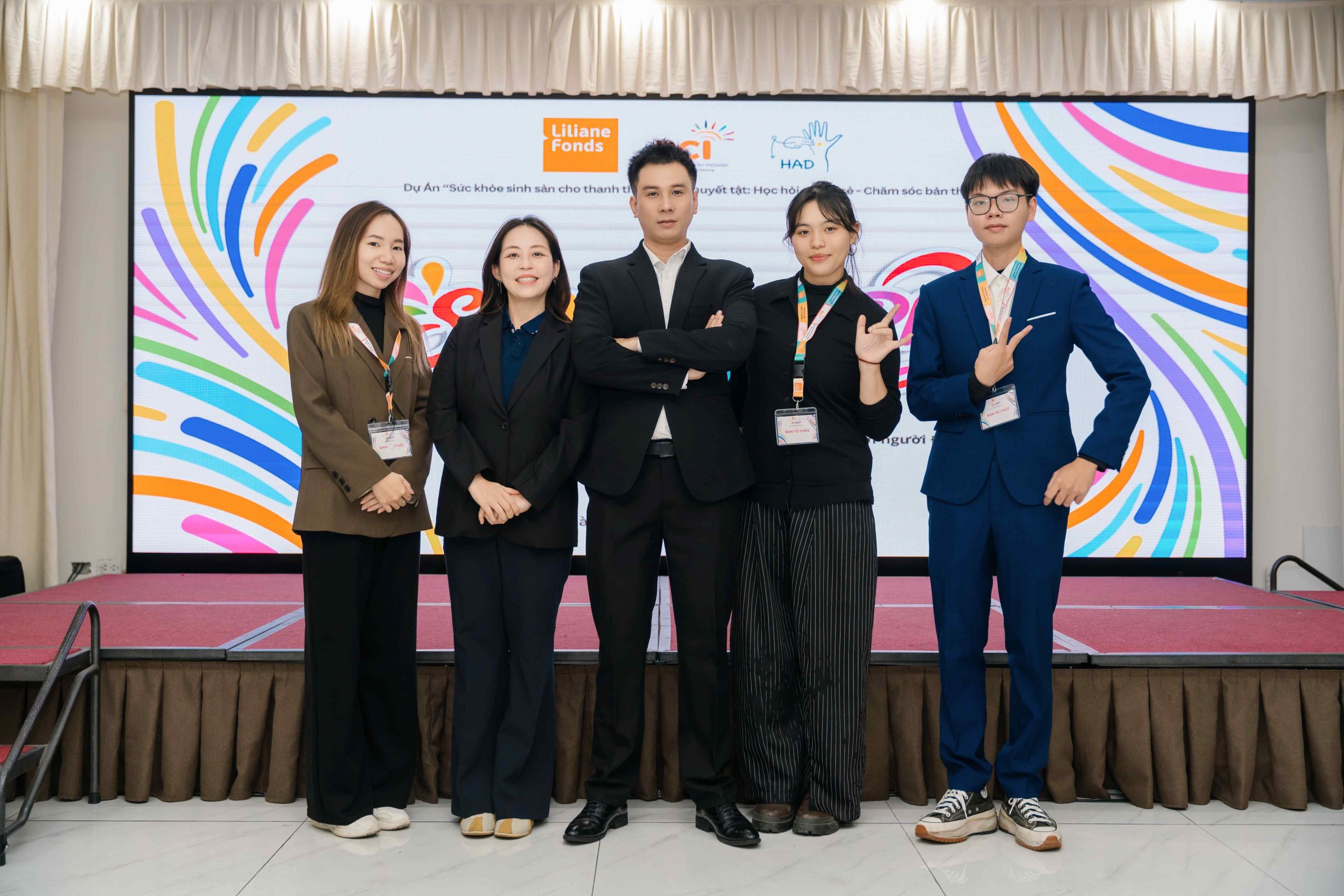
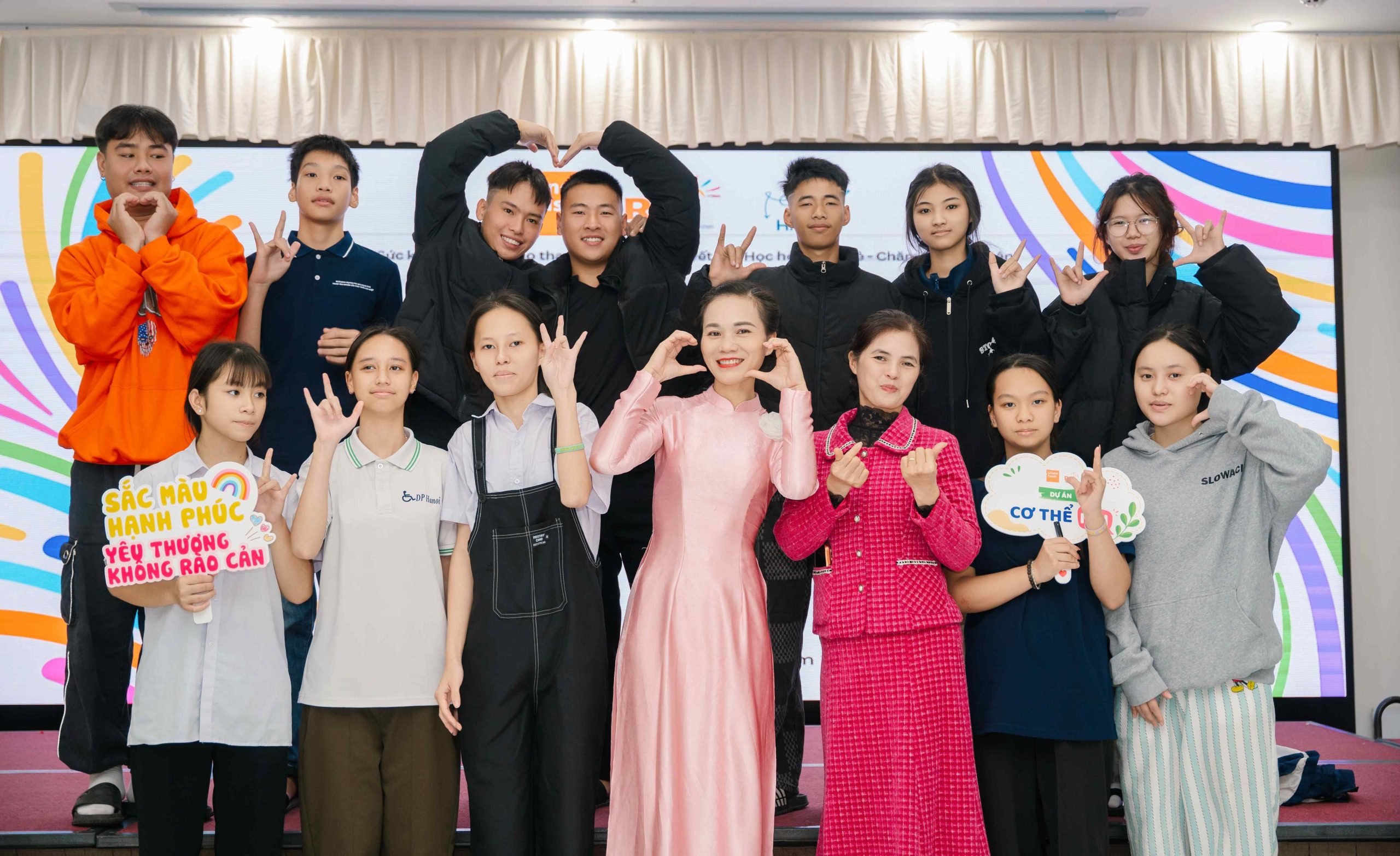
On 22 November 2026, in Hanoi, the Research Center for Inclusion (RCI), in collaboration with the Hanoi Association of the Deaf (HAD), organised the “Colours of Happiness” event. Under the theme “Barrier-free Love and Equal Access to Reproductive Health Services for Deaf People”, the event provided a space for connection and knowledge sharing. It also promoted the right of deaf people to access reproductive health care.
The event was part of the project “Safe Body Space: Learn – Share – Care”. The project aims to raise awareness of reproductive and sexual health rights among youth with disabilities. It also encourages families, communities and relevant stakeholders to provide support. Through the event, deaf people had more opportunities to pursue happiness, express their sexuality authentically, access information and seek appropriate health services with confidence.
Listening to Stories of Love, Marriage and the Right to be Oneself
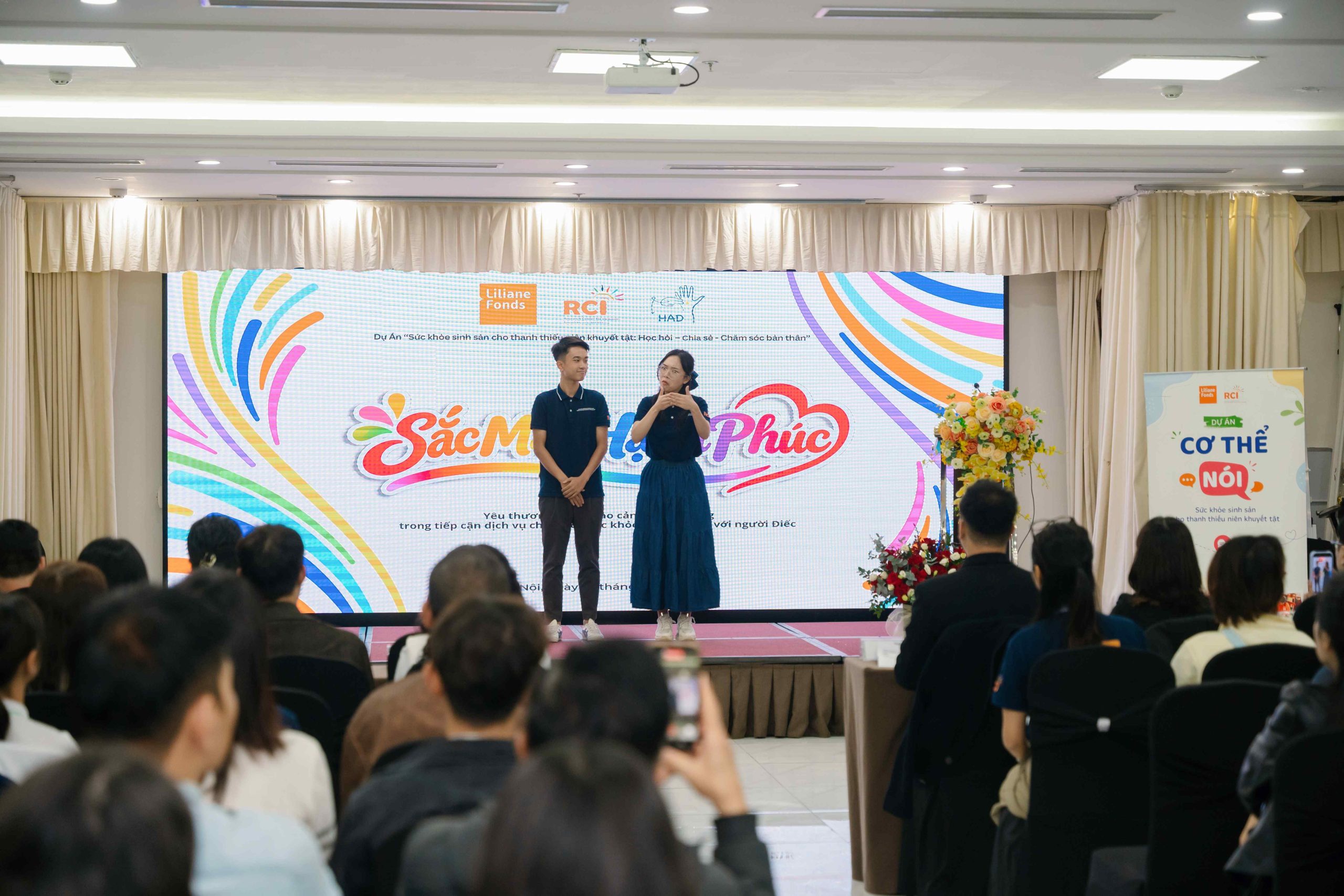
The programme opened with cultural performances, including sign-language singing, dancing and a theatrical performance. Following the opening session, two panel discussions created an open space for sharing experiences and perspectives on love, marriage, family life, sexual diversity and deaf people’s access to reproductive health services.
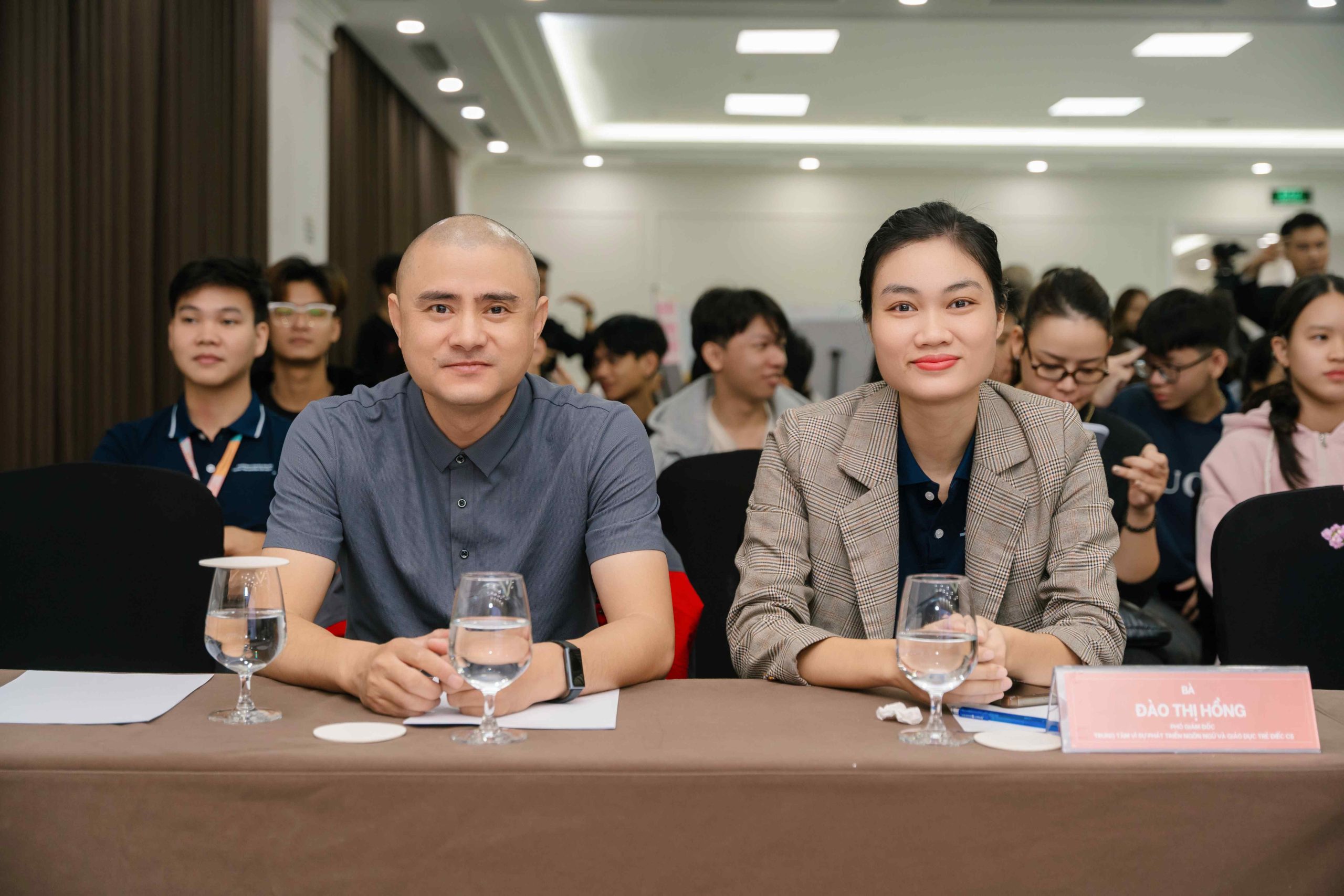
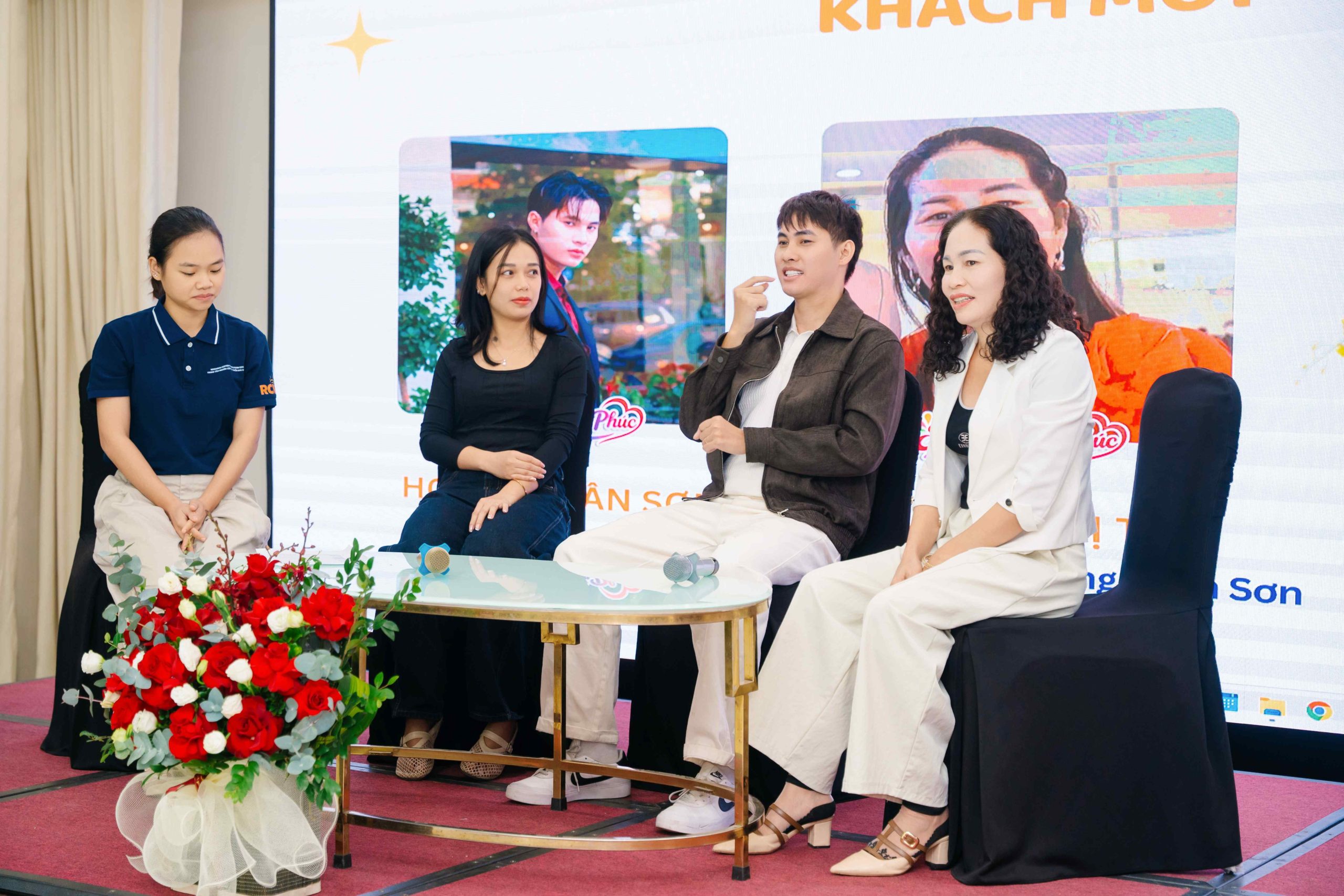
The first panel discussion, “Deaf People: Love, Marriage and Family”, featured stories about love and family-building from a deaf couple and a mother’s journey towards understanding her child. The young couple shared the barriers they had faced and how they overcame them to gain their parents’ support for their marriage. Their journey involved persistence, independence, financial stability and connecting with available support networks.
The young man’s mother also shared a message for parents and the wider community: “Give deaf people the opportunities and support they need to freely marry someone who truly understands them and build a happy life together.”
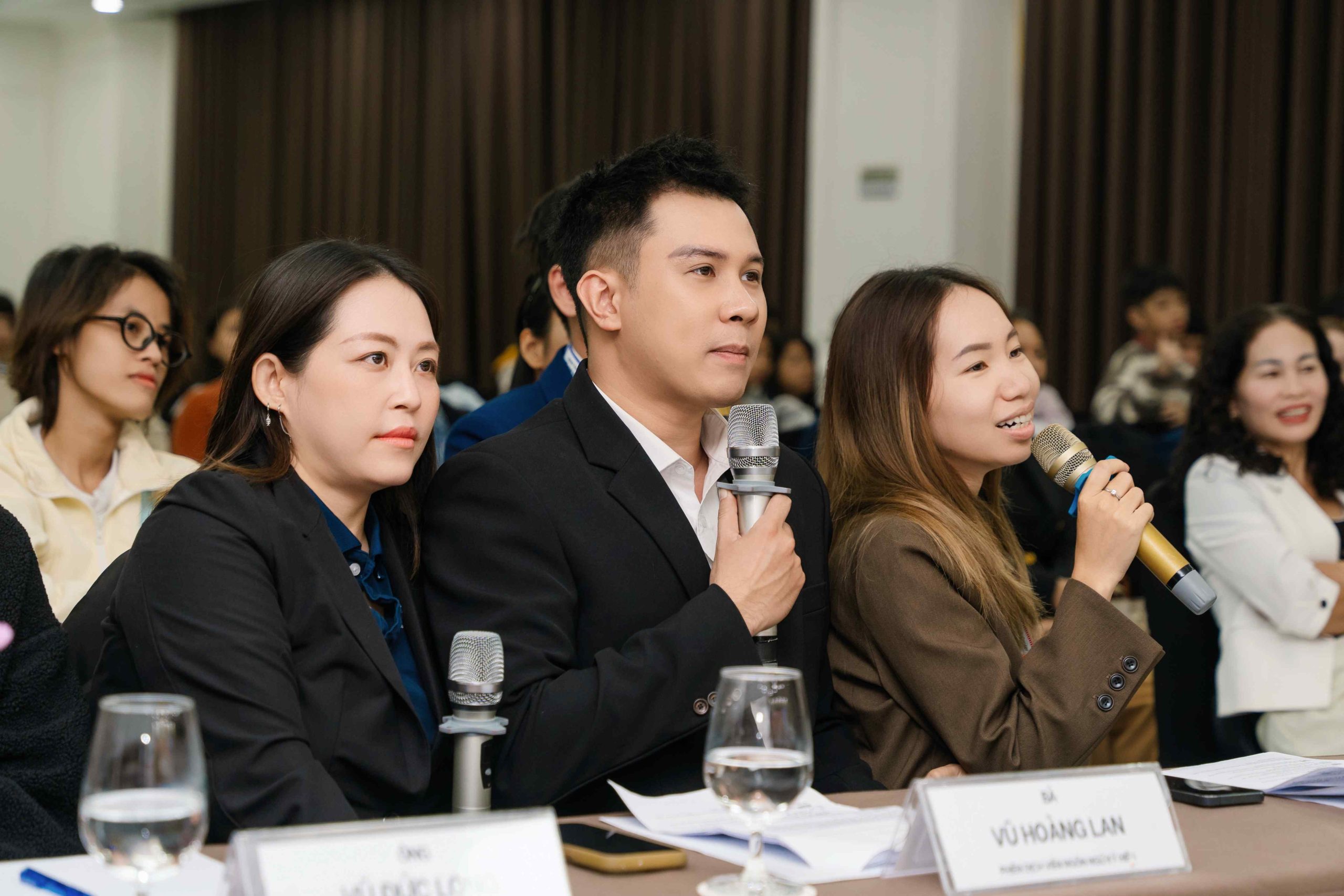
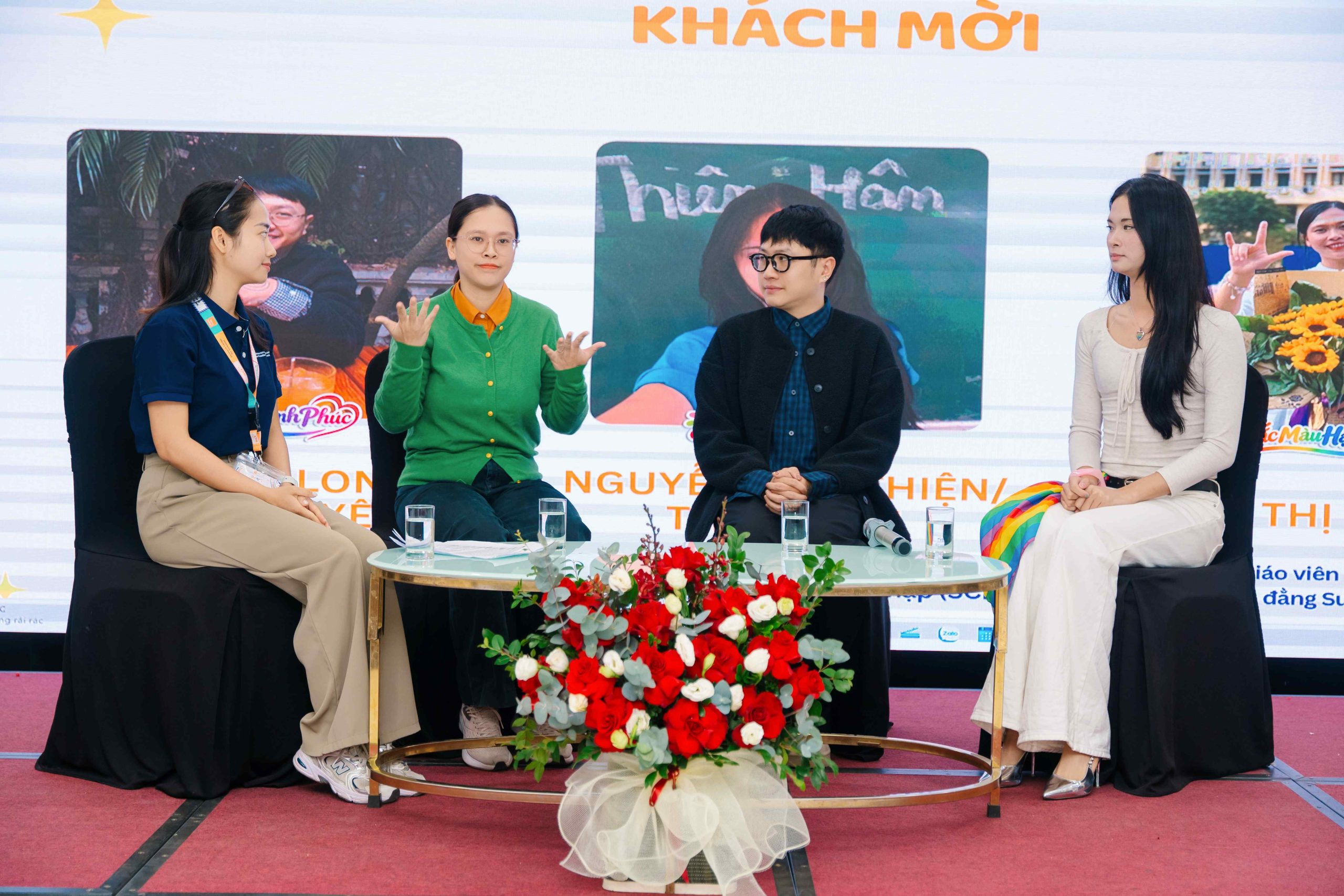
The second panel discussion, “Deaf People and Access to Reproductive Health Services”, followed. The speakers shared their perspectives on love, family life, living authentically in their sexuality and the challenges deaf people face. They also discussed their personal experiences of accessing reproductive health services. These stories highlighted that everyone, including deaf people, deserves to be heard, respected and supported. Everyone should have the opportunity to understand themselves, make informed choices and enjoy an equal and fulfilling life.
Breaking Barriers to Reproductive Health Care for Deaf People
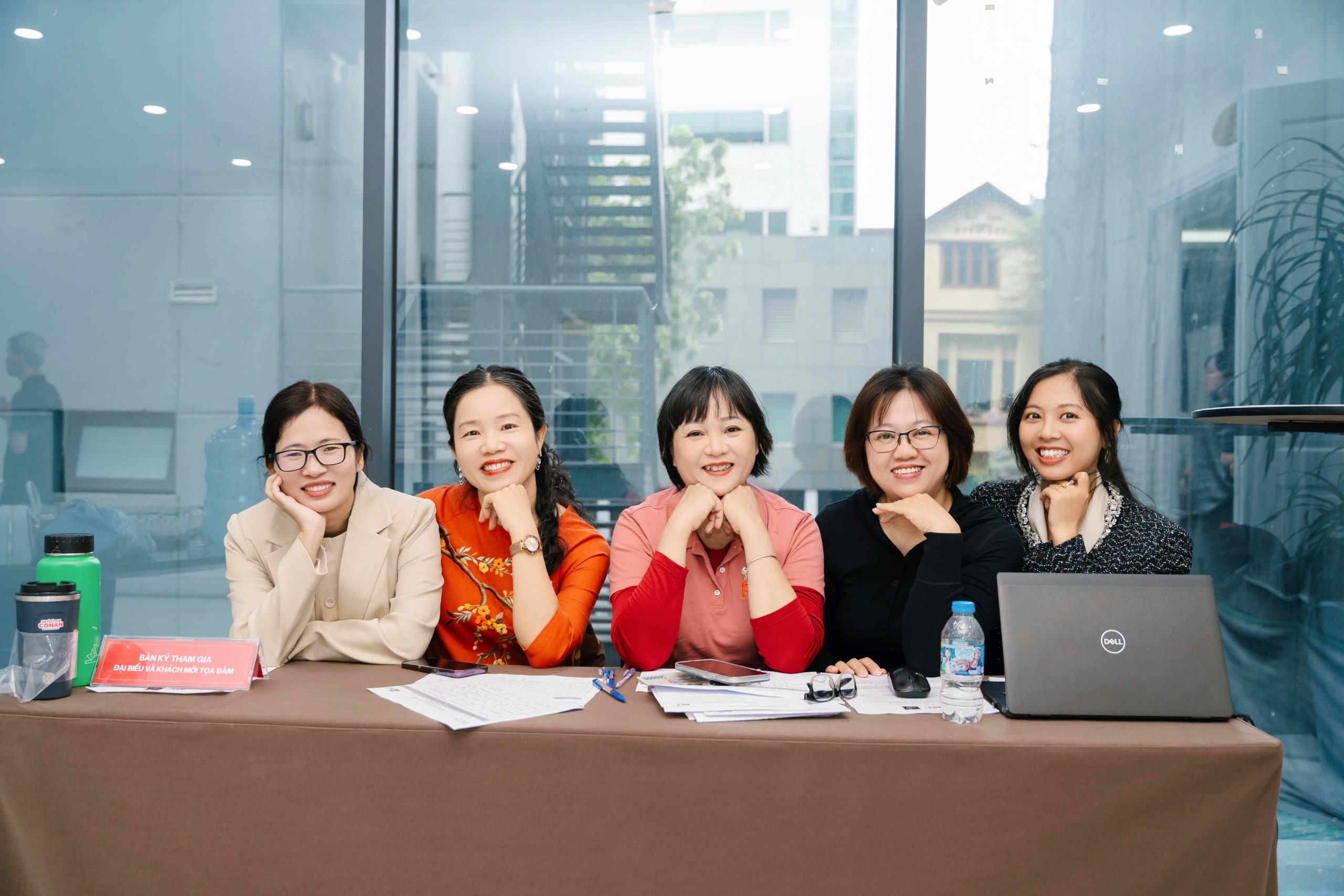
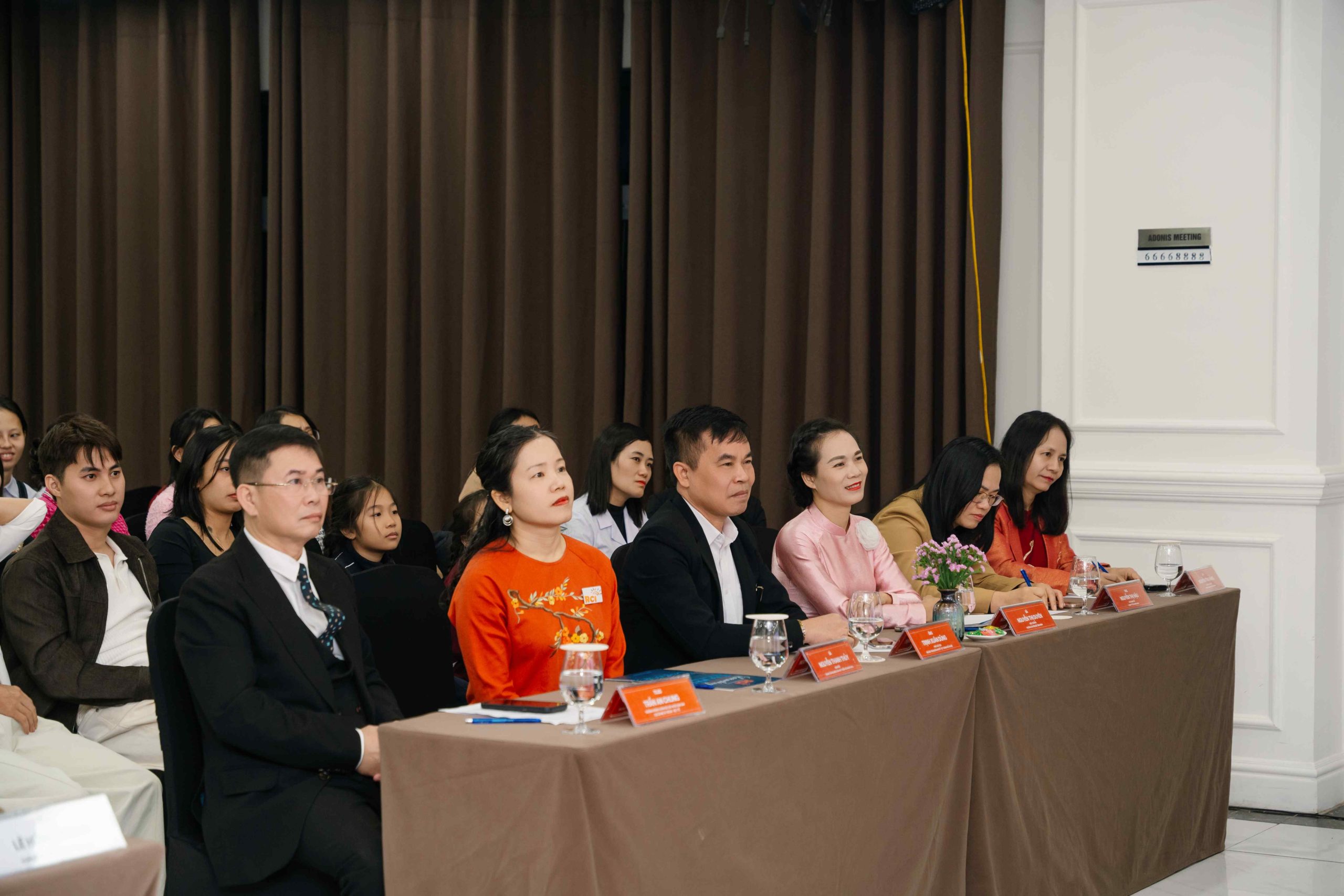
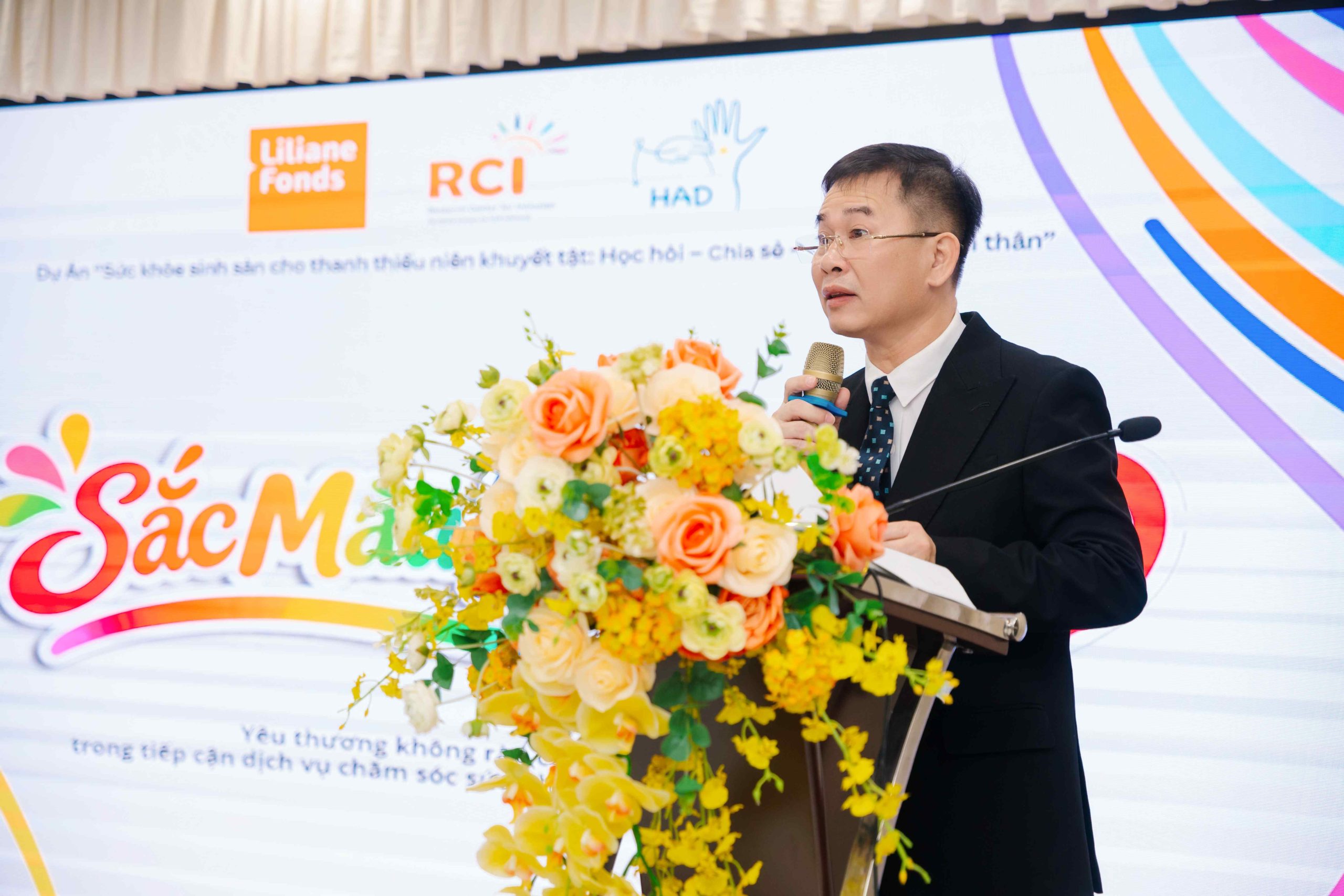
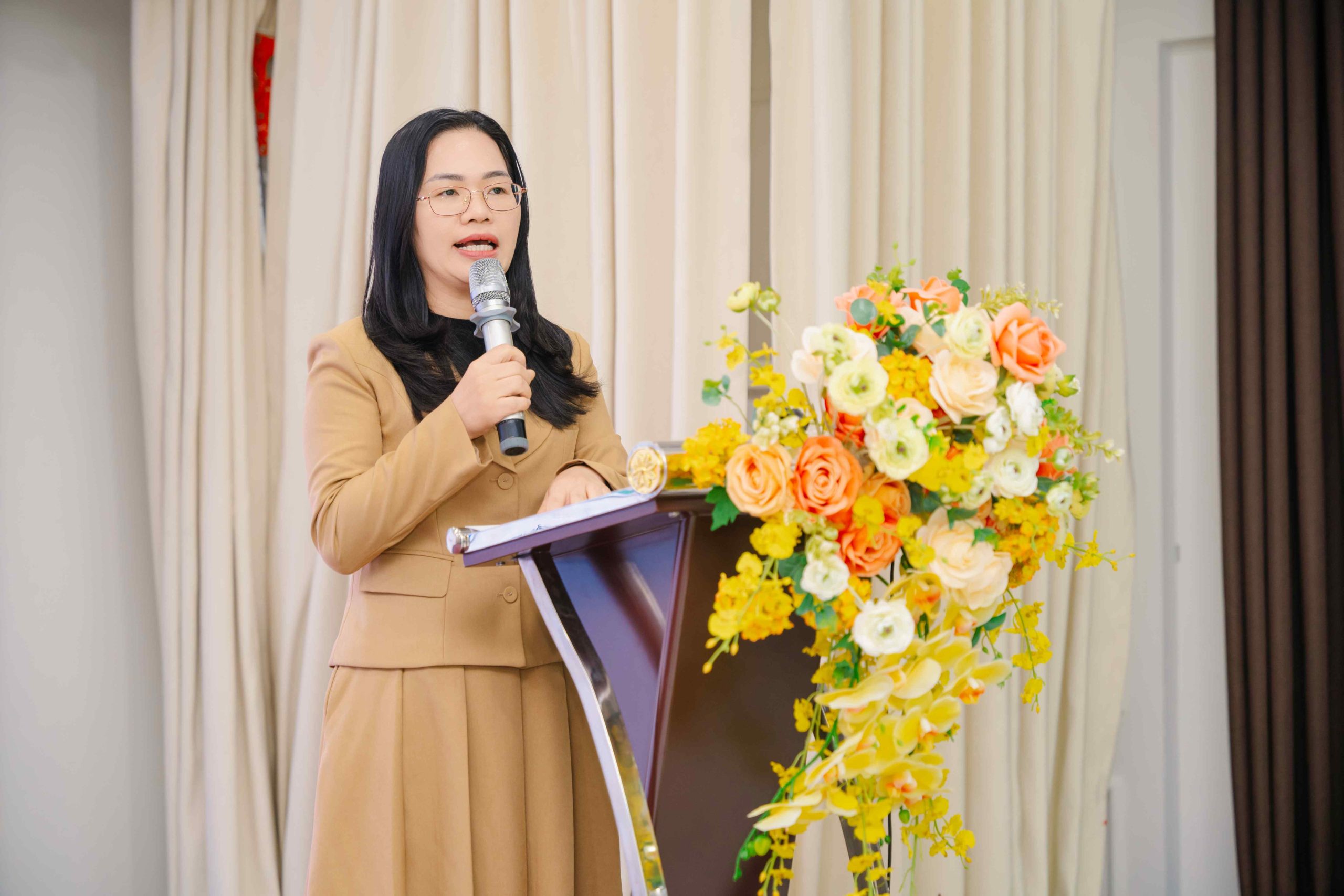
At the event, Dr. Tran An Chung, MD, PhD, shared professional insights and answered questions from deaf participants about their reproductive health rights. He emphasised that reproductive health care is not merely a medical issue. It is also closely connected to human rights, dignity, and every person’s right to love and build a family.
Dr. Tran An Chung shared: “Deaf people do not lack the ability to love or the aspiration to build happy families. What they lack is an accessible and barrier-free service system. The barriers do not lie in deaf people’s ears, but in the way we design health care systems and communication approaches that are not yet truly inclusive.”
To turn the message of “barrier-free access” into reality, Dr. Tran An Chung emphasised the shared responsibilities of different stakeholders. Health facilities need to develop welcoming procedures and provide accessible materials, including visual resources and videos with captions and sign language. They should also establish networks of medical sign language interpreters to ensure accurate communication and privacy during consultations and examinations.
Families and communities also need to change their attitudes and challenge misconceptions about the reproductive needs of persons with disabilities. Non-judgmental support can help deaf people feel more confident in seeking information and assistance. Deaf individuals themselves should be encouraged to speak up about their needs, seek reliable scientific information and ask health professionals questions.


Diverse, Welcoming and Accessible Experience Spaces
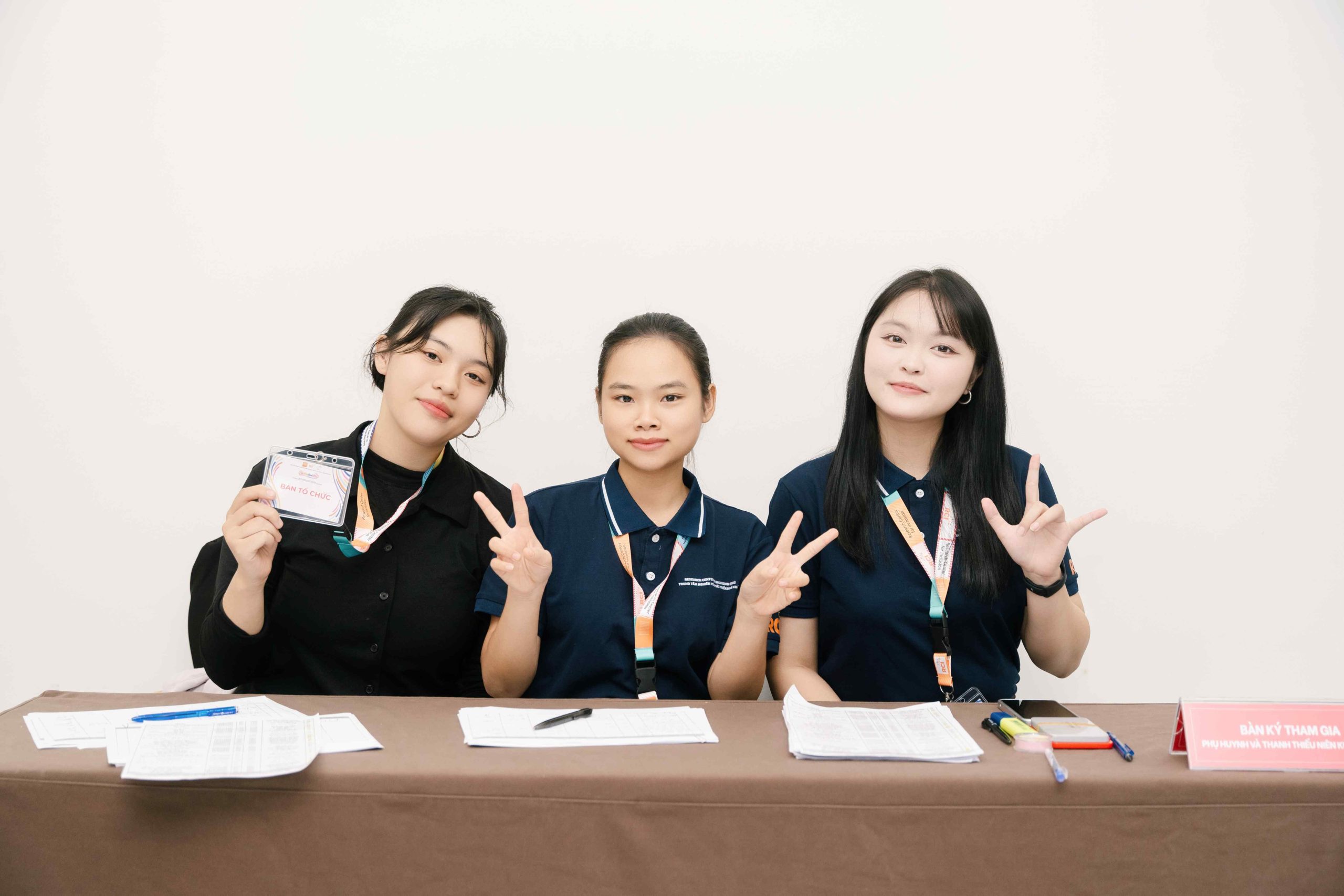
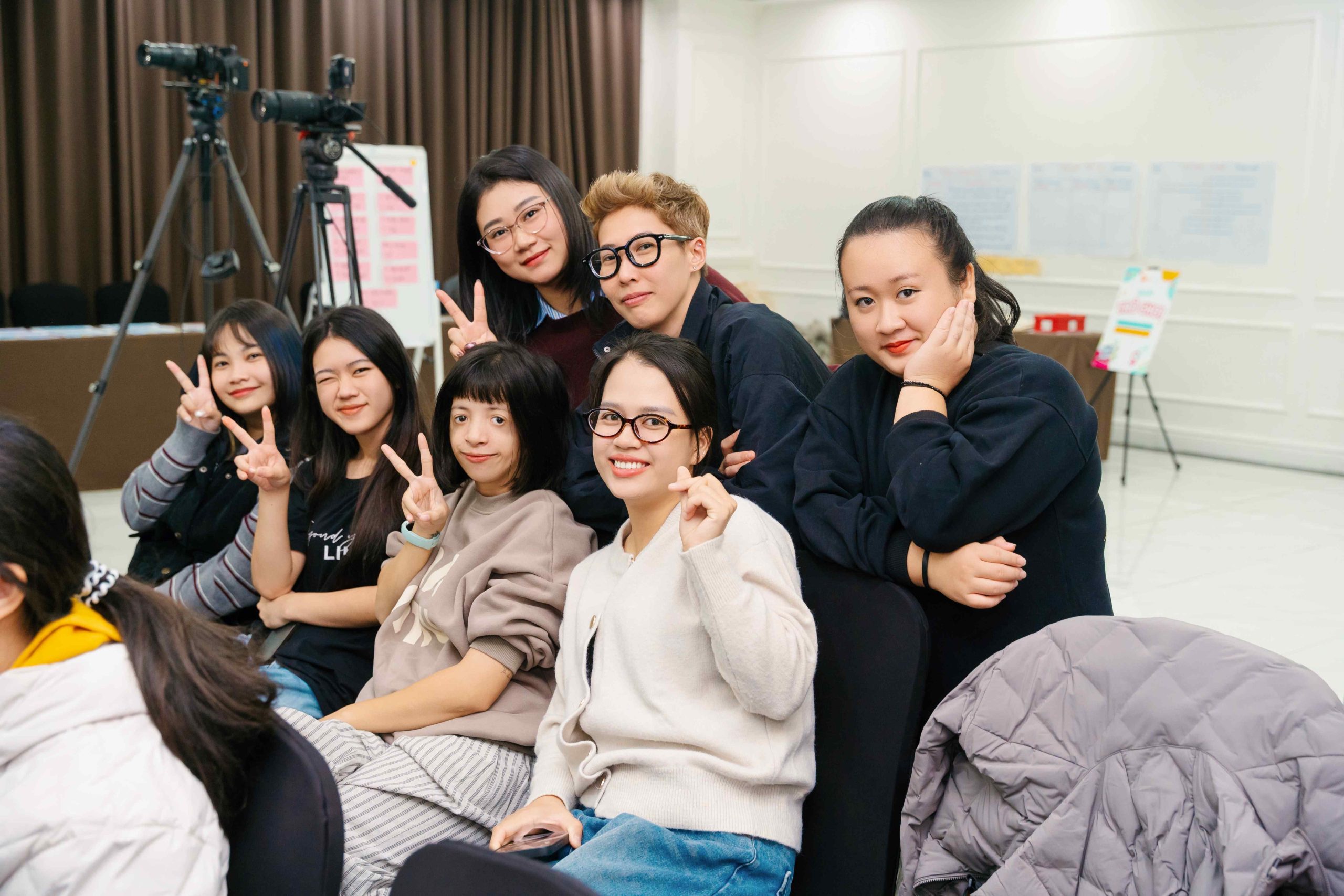
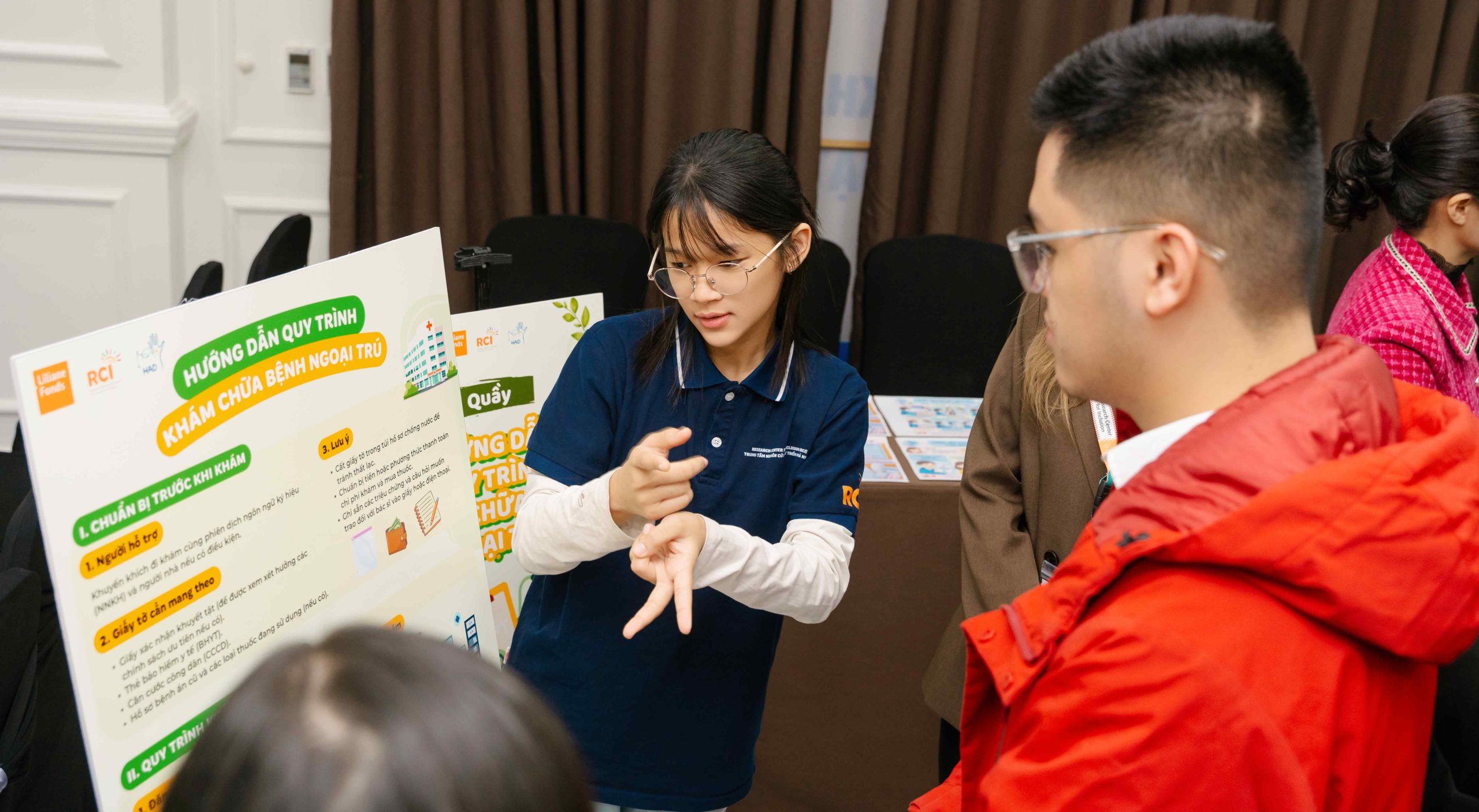
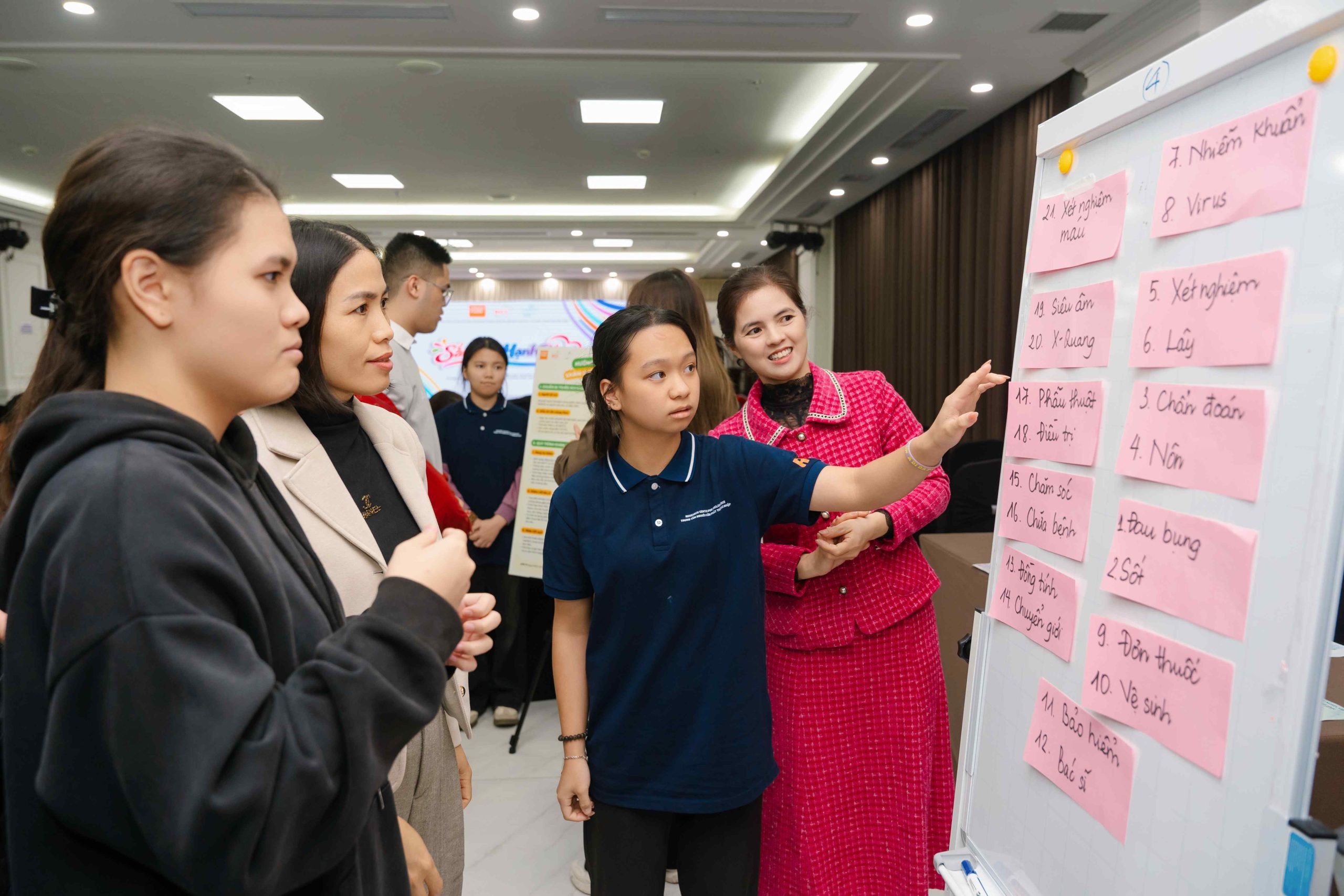
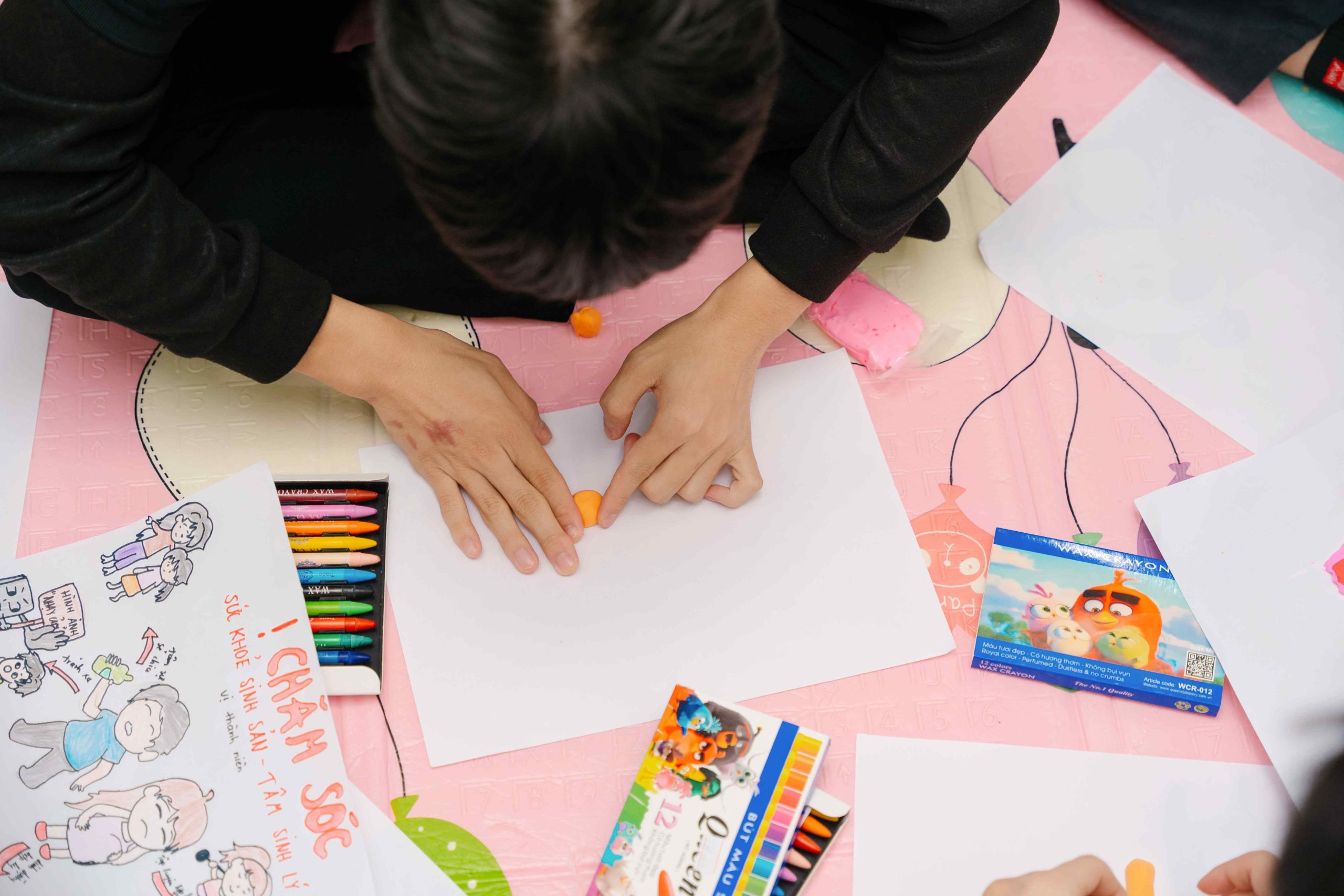
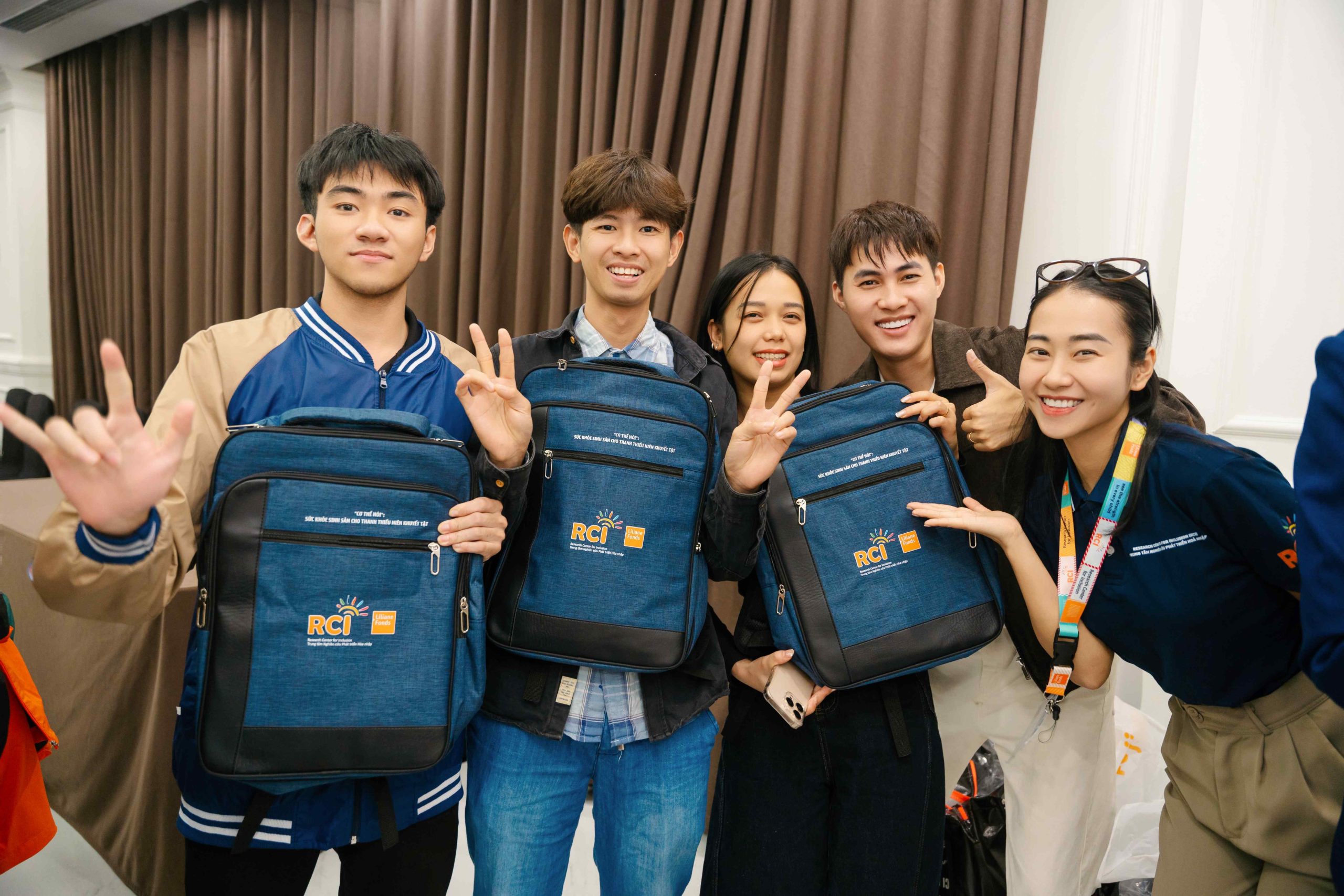
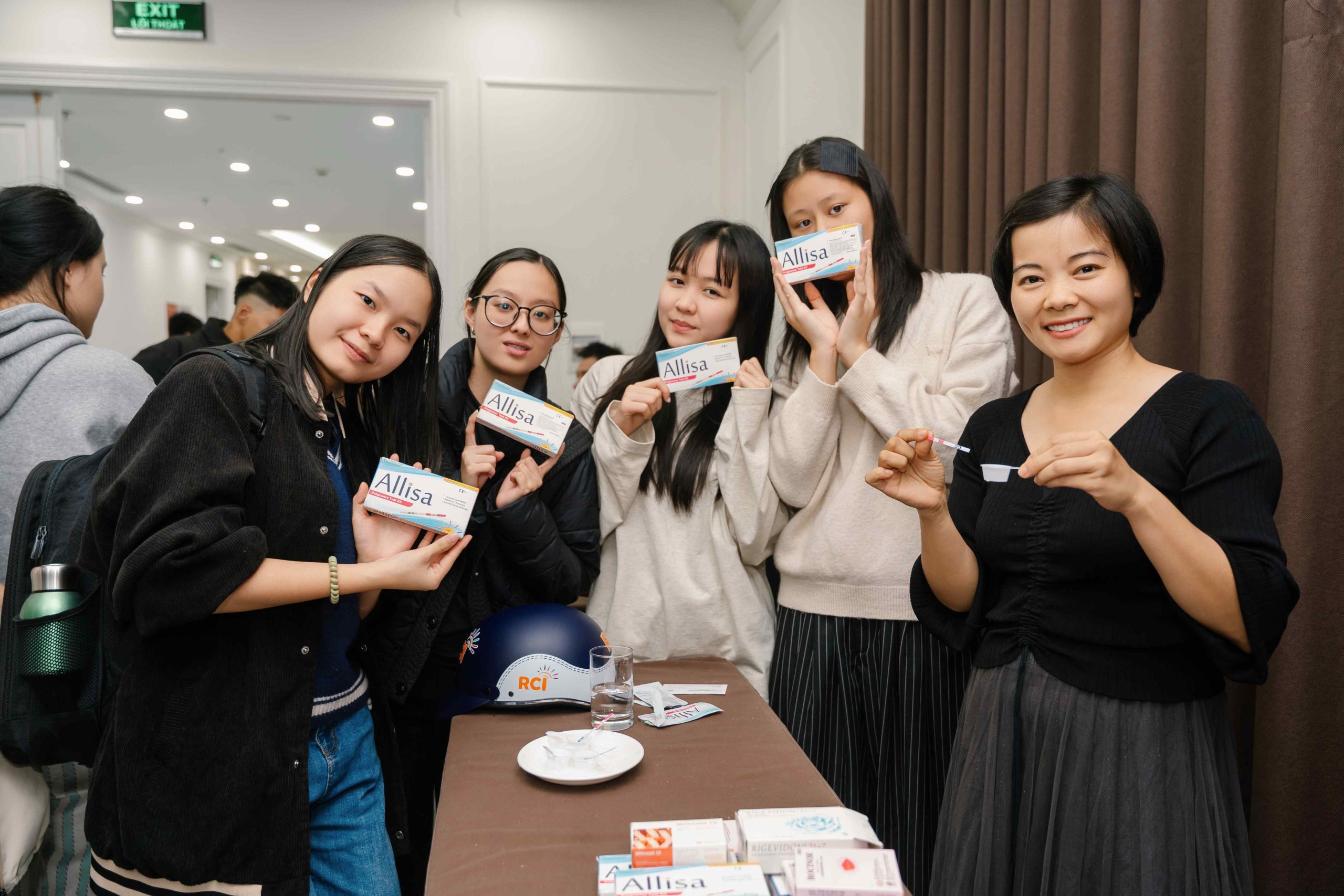
After the stage activities, participants explored and took part in various reproductive health booths. Each booth offered a different way to engage with information, making reproductive health knowledge more visual, accessible and easier to understand.
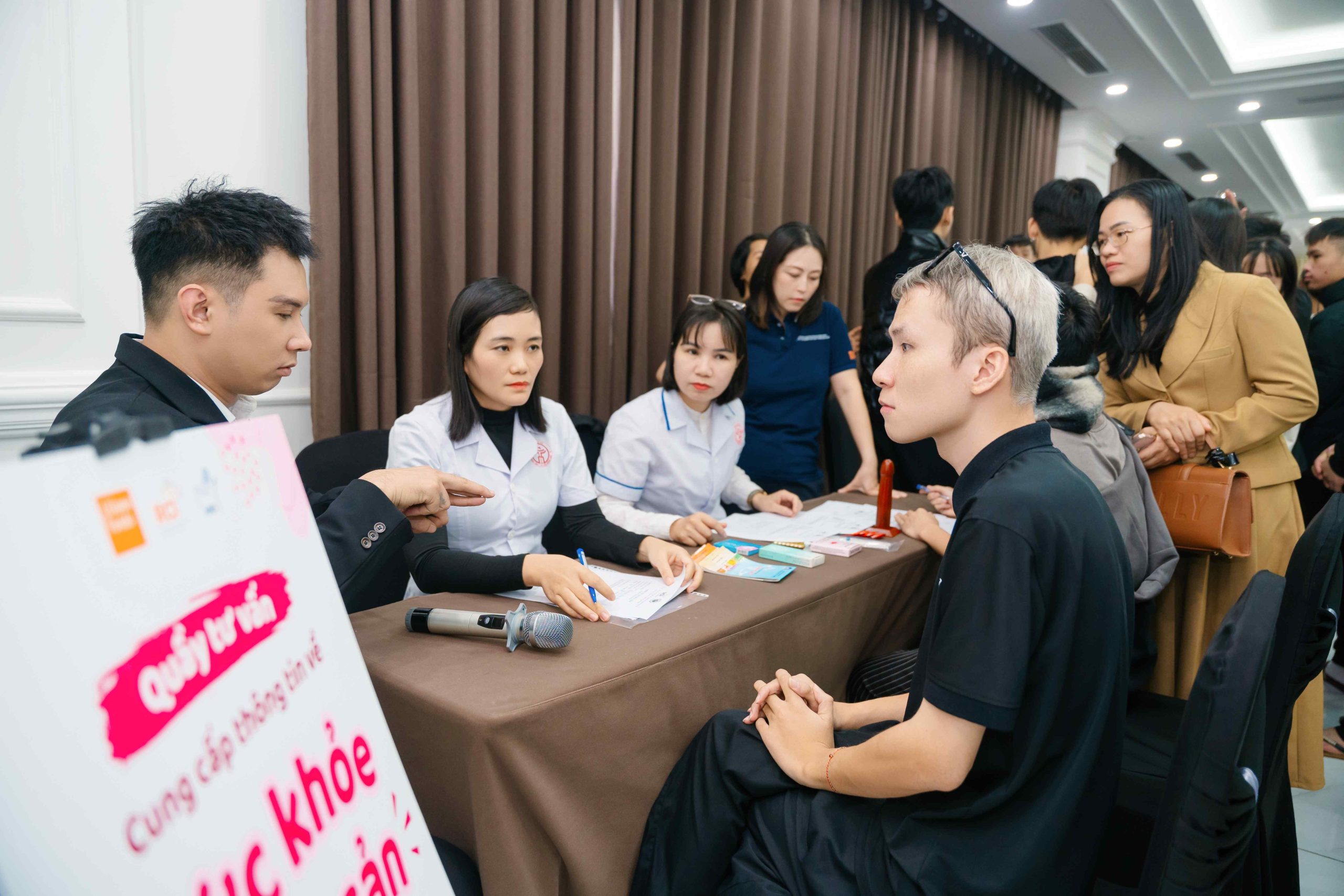
At the consultation booth, health professionals provided information on contraceptive methods, the prevention of sexually transmitted infections (STIs) and premarital health check-ups. Sign language interpreters supported the activities, enabling deaf participants to communicate and access information more easily.
The creative experience booth attracted participants with activities such as drawing, clay modelling and creating reproductive health communication products. At the game booth, participants explored reproductive health topics through interactive activities, including drawing question cards, matching keywords with interesting facts, identifying safe sexual behaviours and solving word puzzles.
Another practical activity introduced participants to the outpatient medical examination process. Deaf youth learned about the preparations needed before a medical visit, as well as registration, consultation and testing procedures. They were also introduced to signs related to body parts and ways to describe common symptoms when seeking medical care. These activities helped equip deaf participants with the knowledge and skills to communicate more confidently with health professionals and seek services when needed.
Spreading the Message of Barrier-Free Love
Through a combination of panel discussions, consultations and interactive activities, “Colours of Happiness” not only strengthened participants’ reproductive health knowledge but also created opportunities for deaf people to share their voices and experiences in an open and accessible environment.
Through this event, RCI and HAD aim to raise community awareness of the reproductive and sexual health rights of deaf people. The programme also encourages families, health facilities and relevant stakeholders to work together to improve access to services.

The “Colours of Happiness” event received media coverage:
- Hanoi Moi Newspaper: Removing barriers to help persons with disabilities reach happiness
To learn more about RCI’s work in reproductive and sexual health, please visit:
- Comprehensive Sexuality Education Program for Deaf Students at C5 Center
- RCI Joins Training on Sexual and Reproductive Health and Rights in the Netherlands
- Body Talk Project Activities
For more information about the project, please access our website at this link:
RCI.NLR or follow our Facebook page at: Research Center for Inclusion