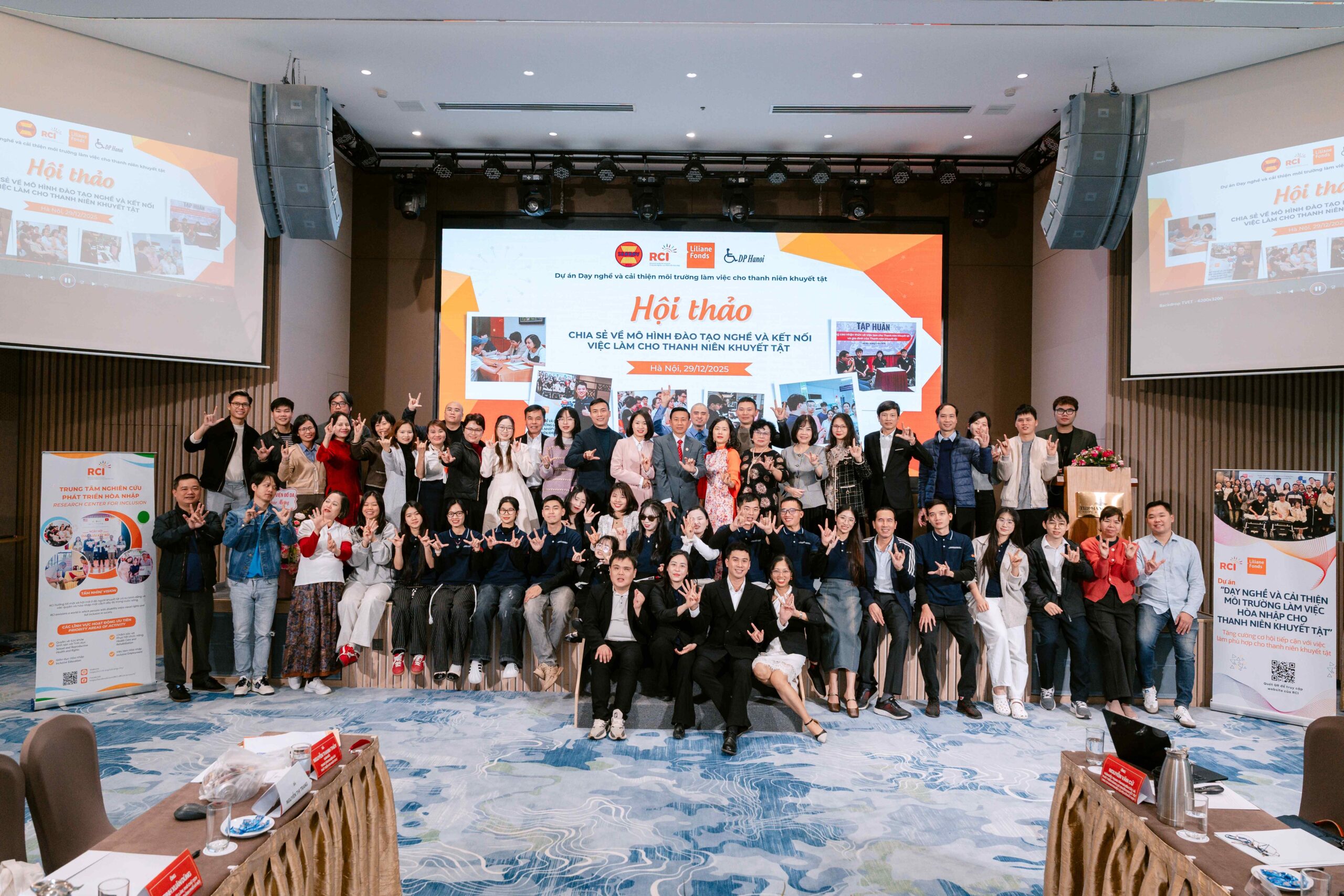
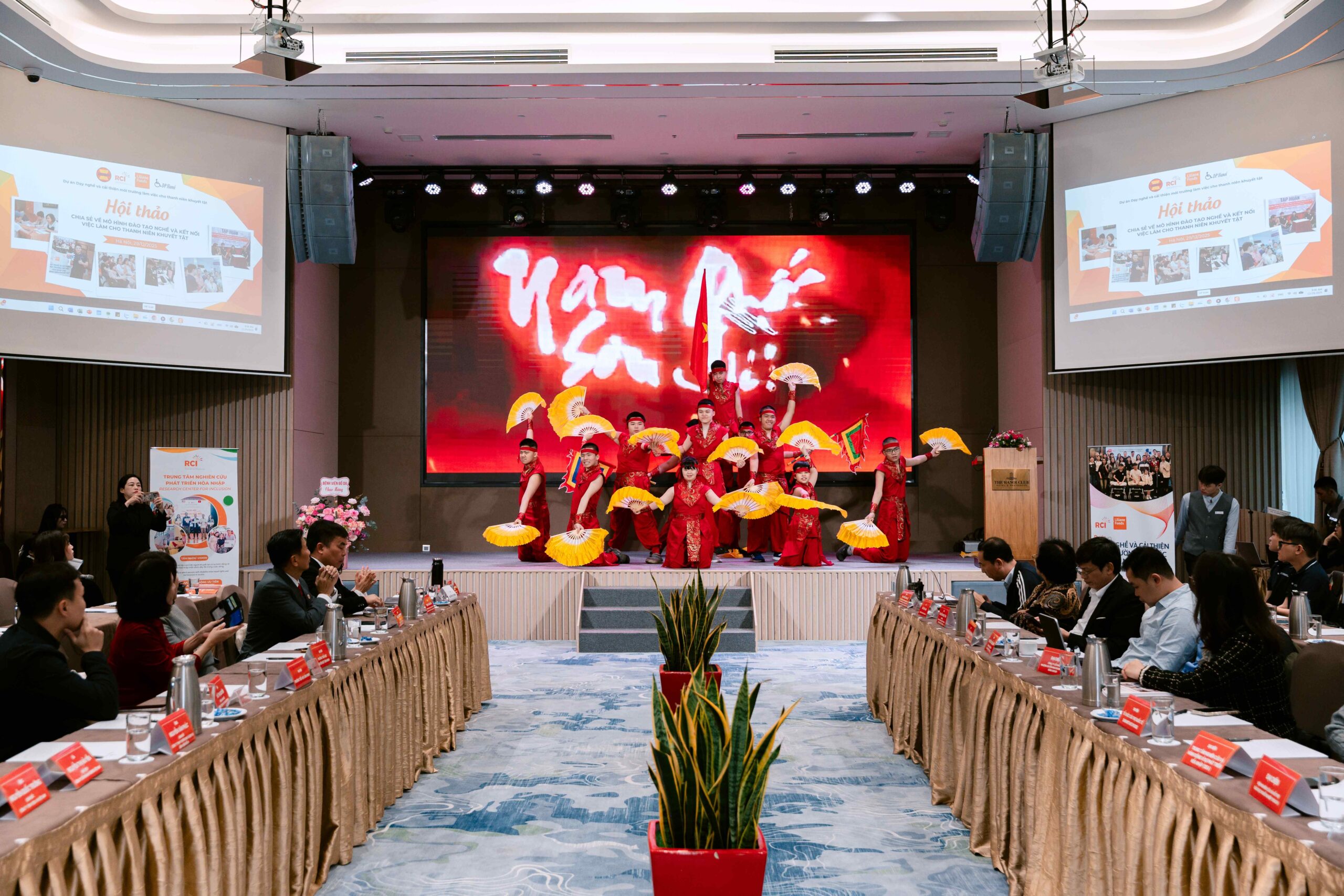
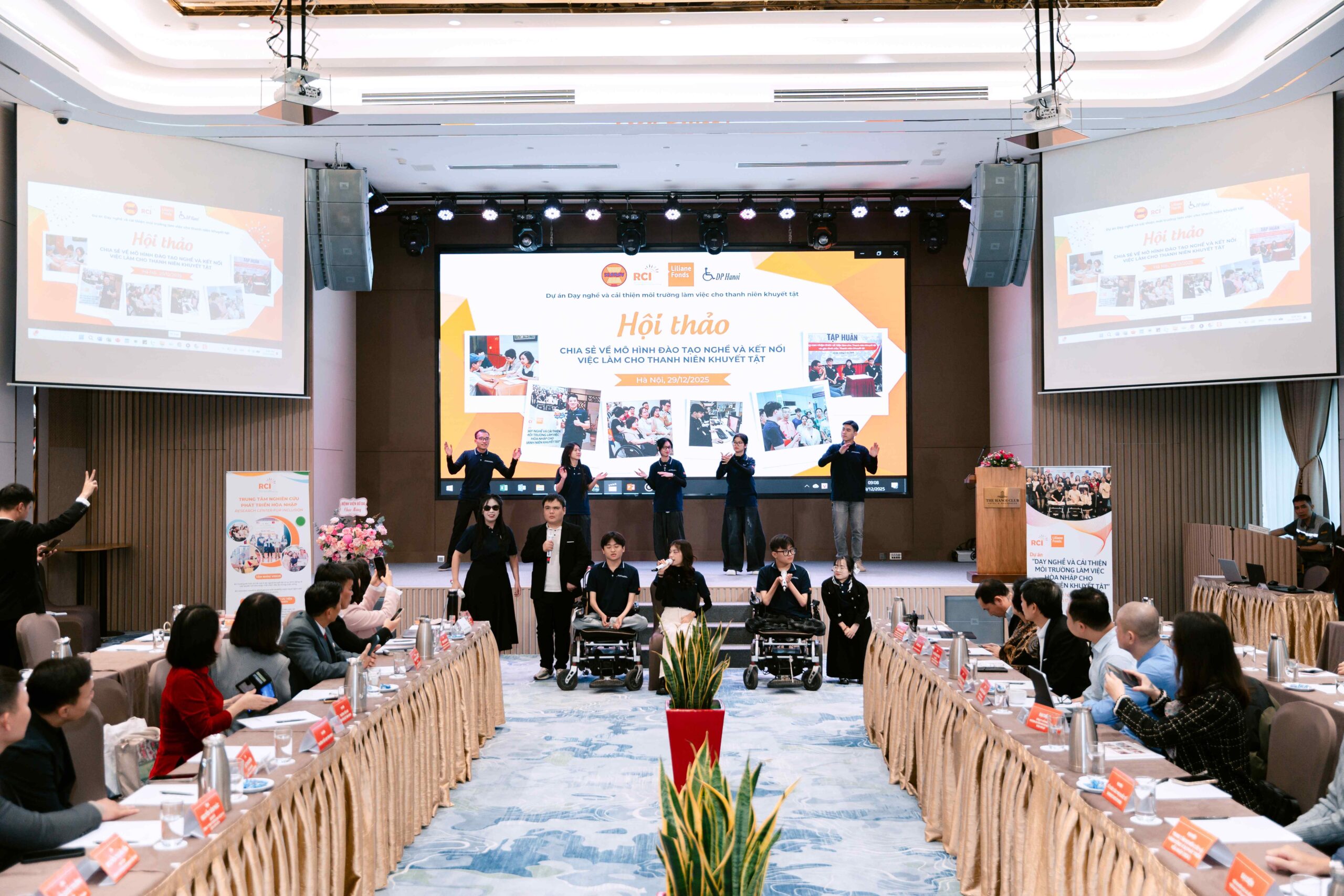
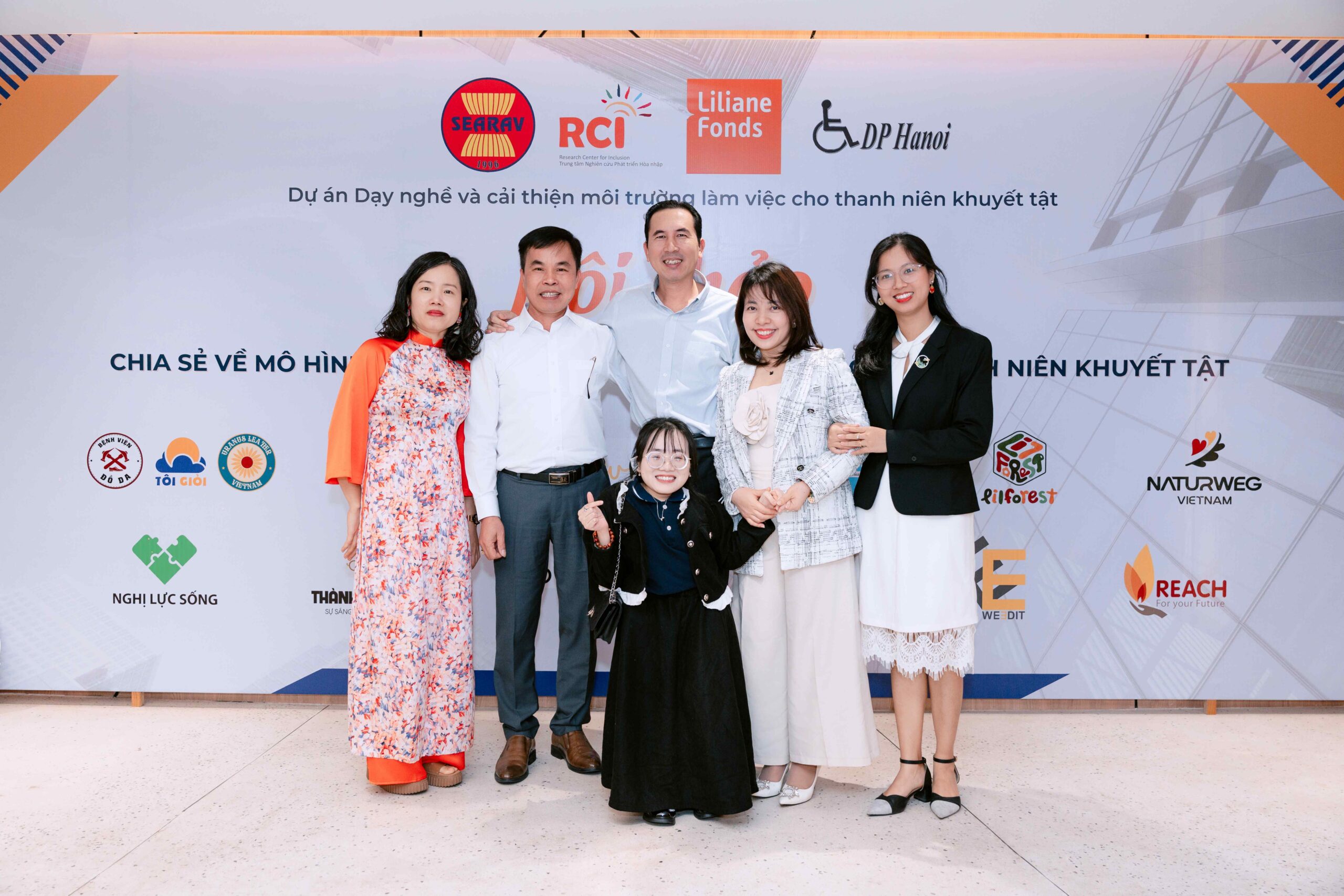
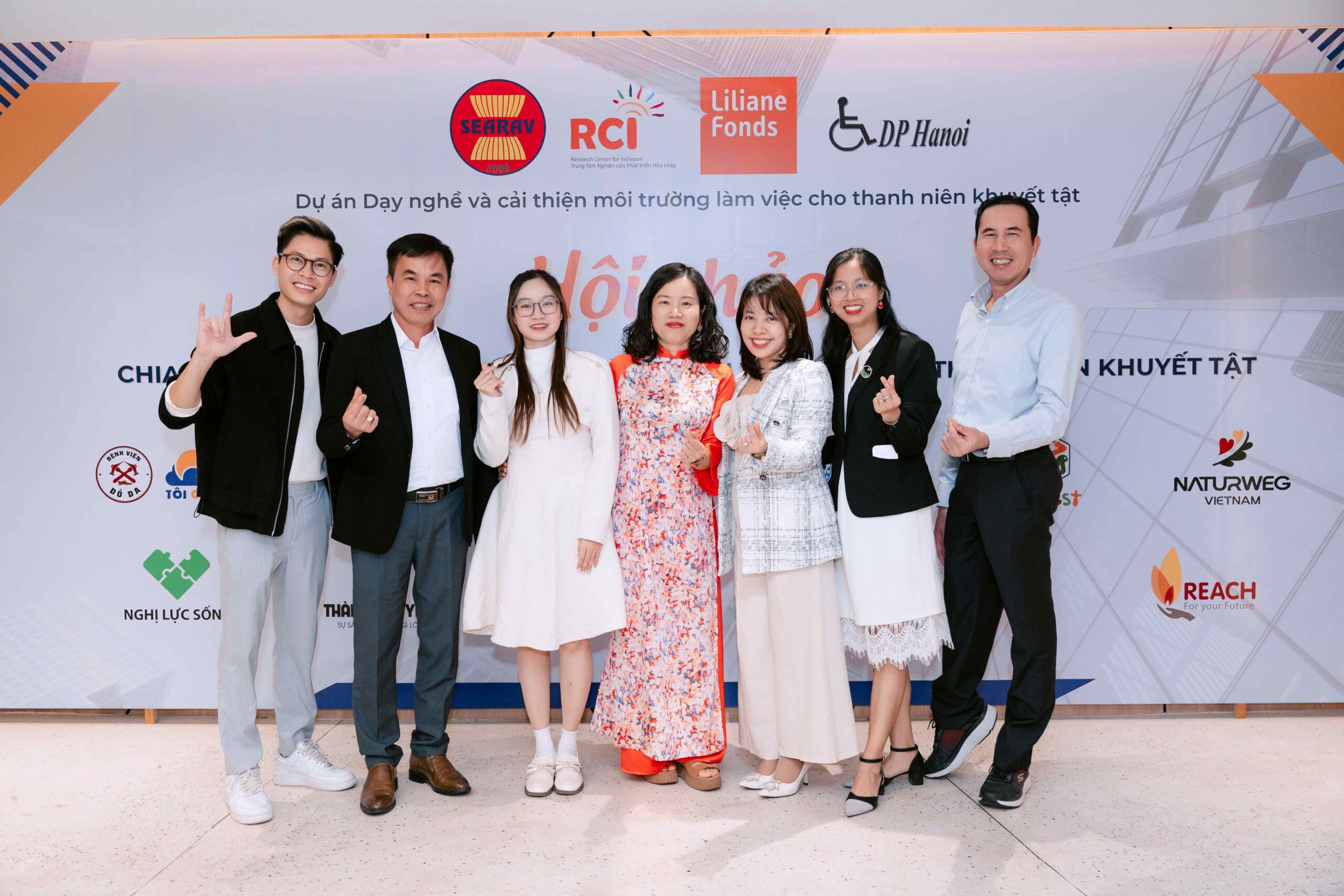
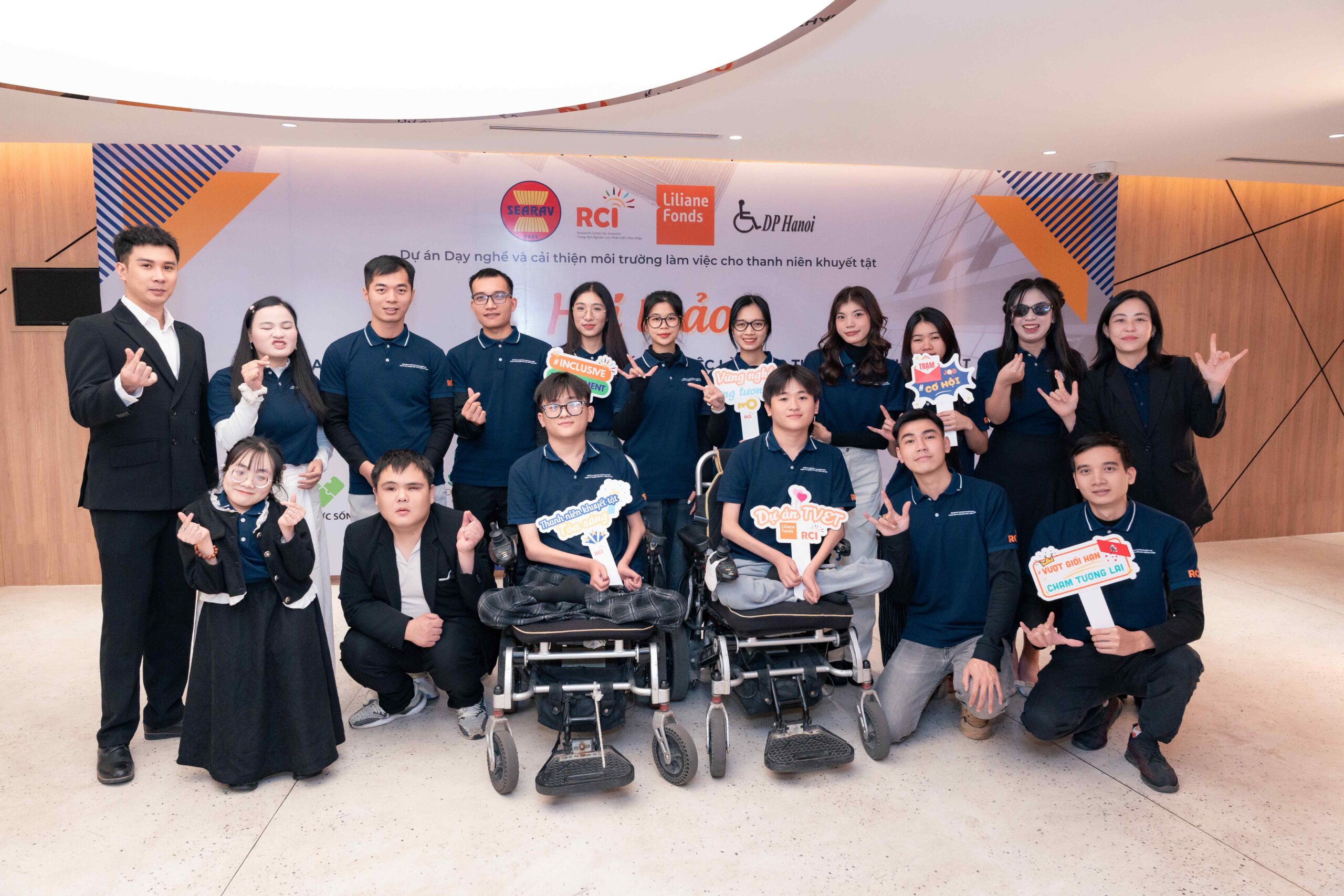
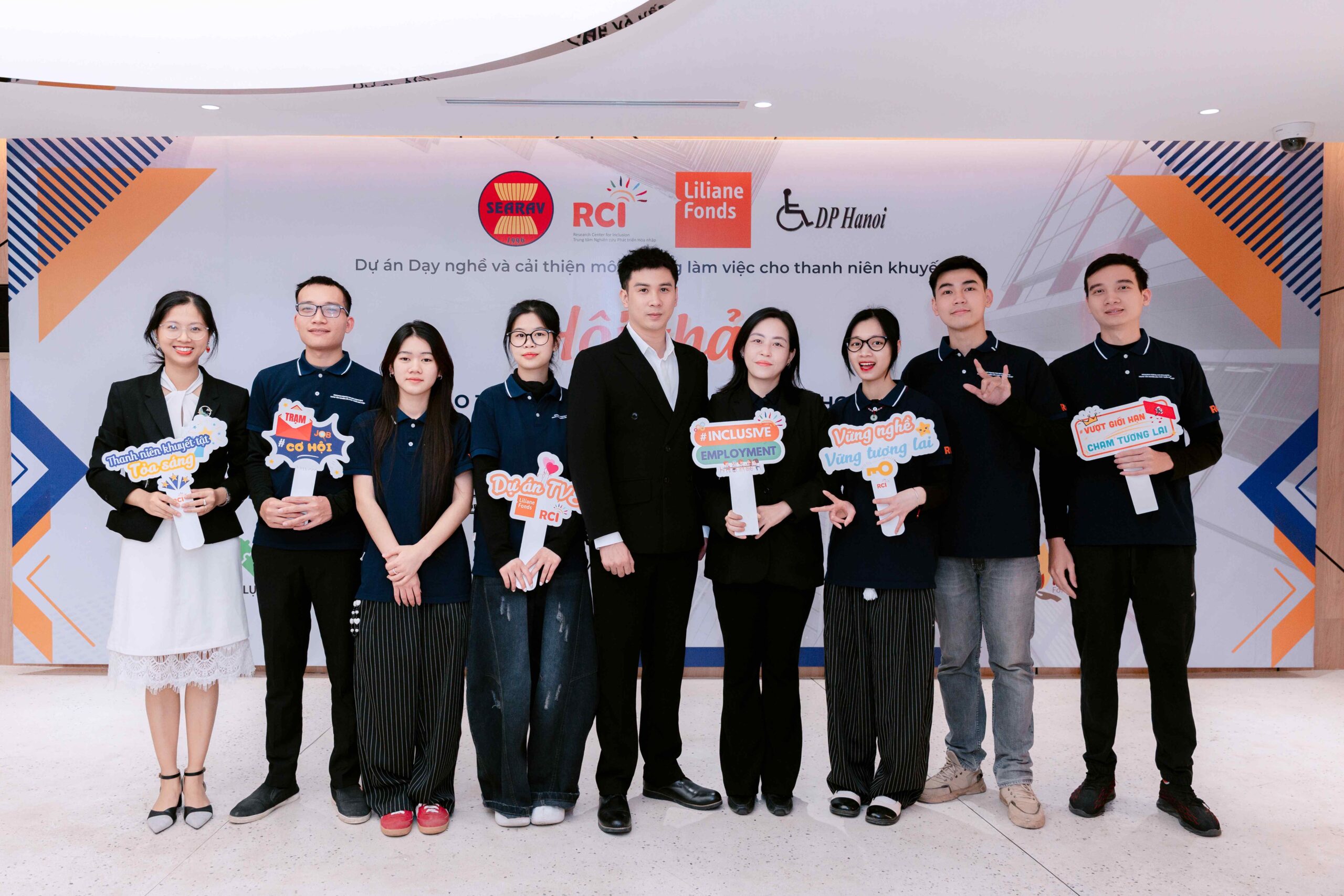
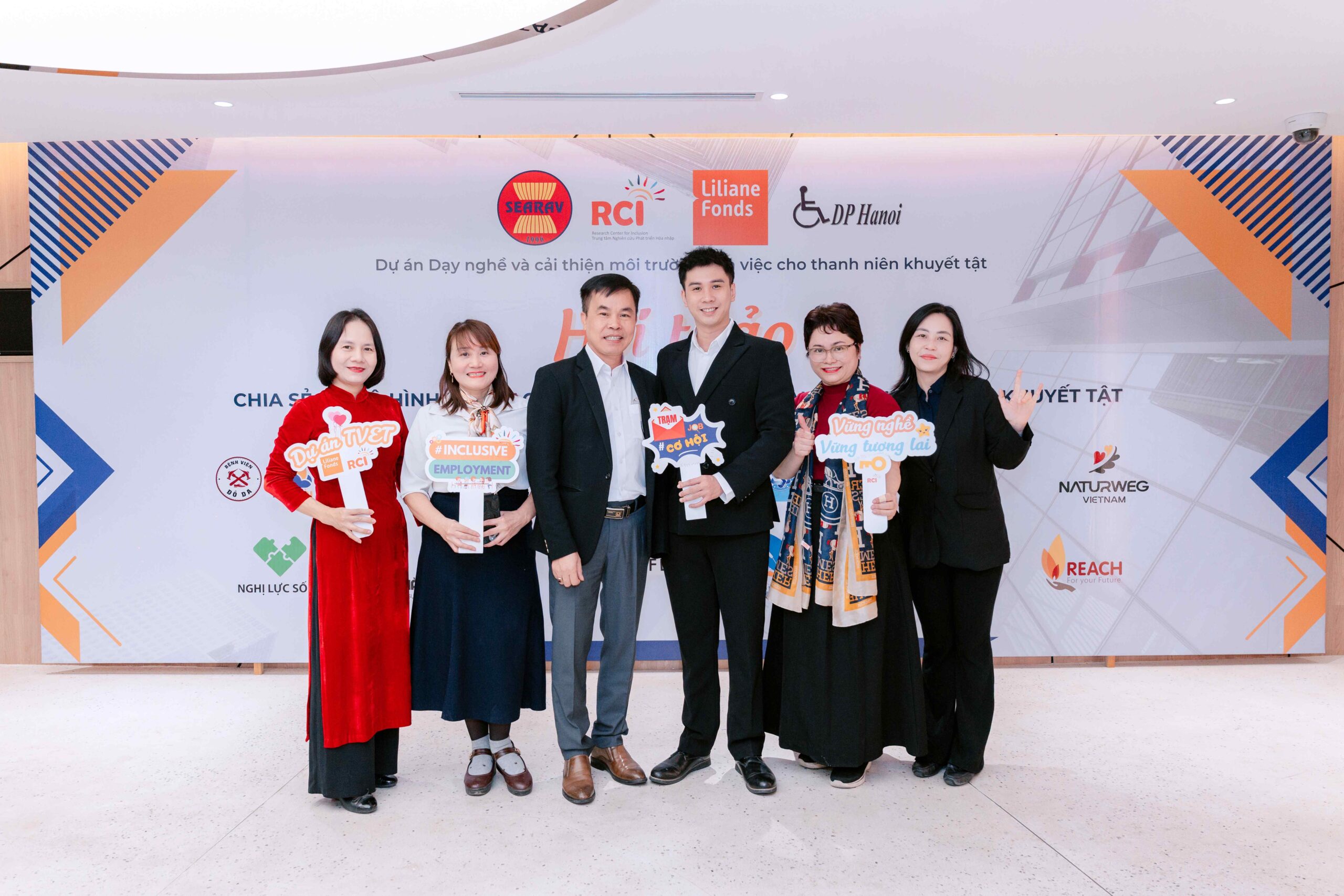
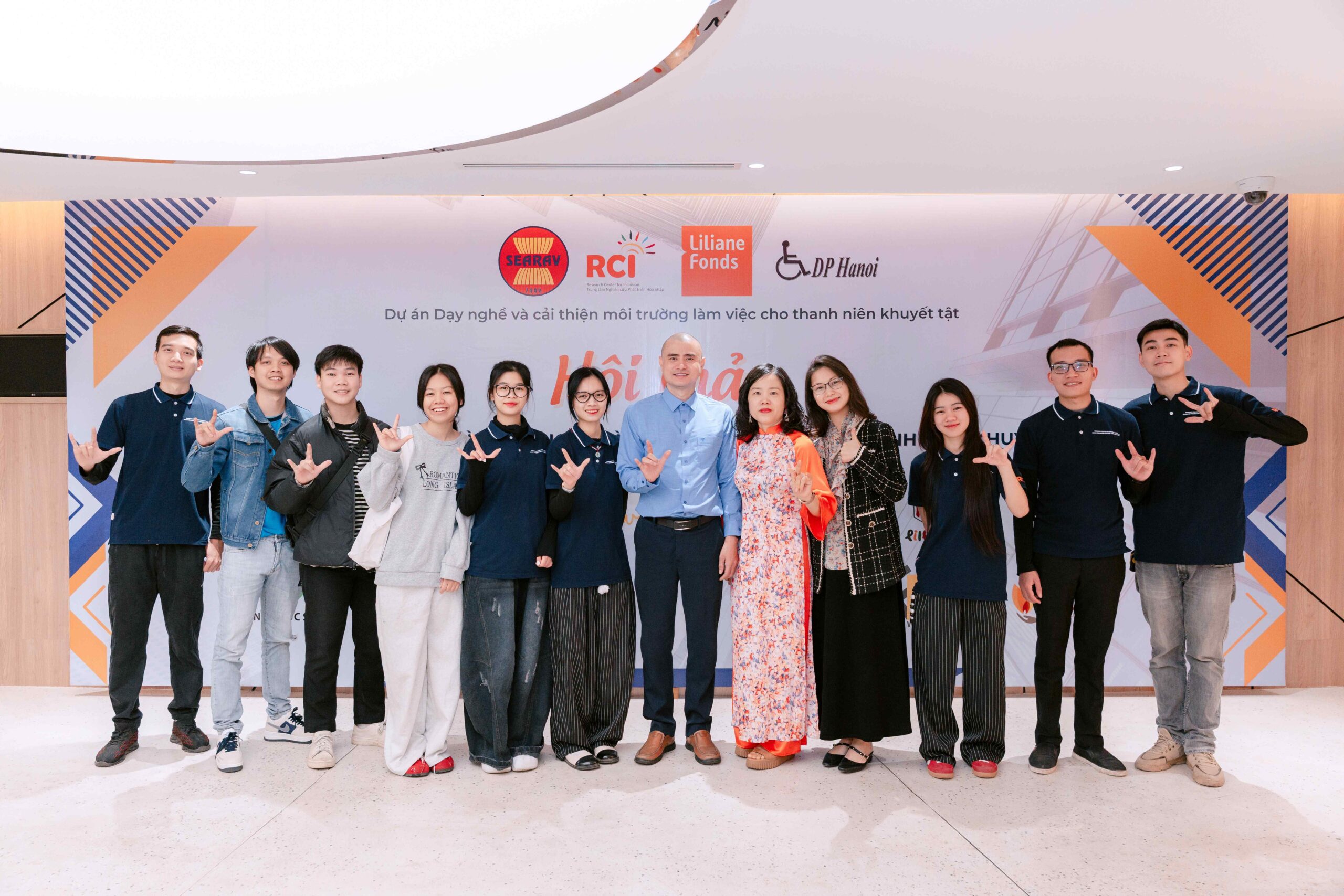
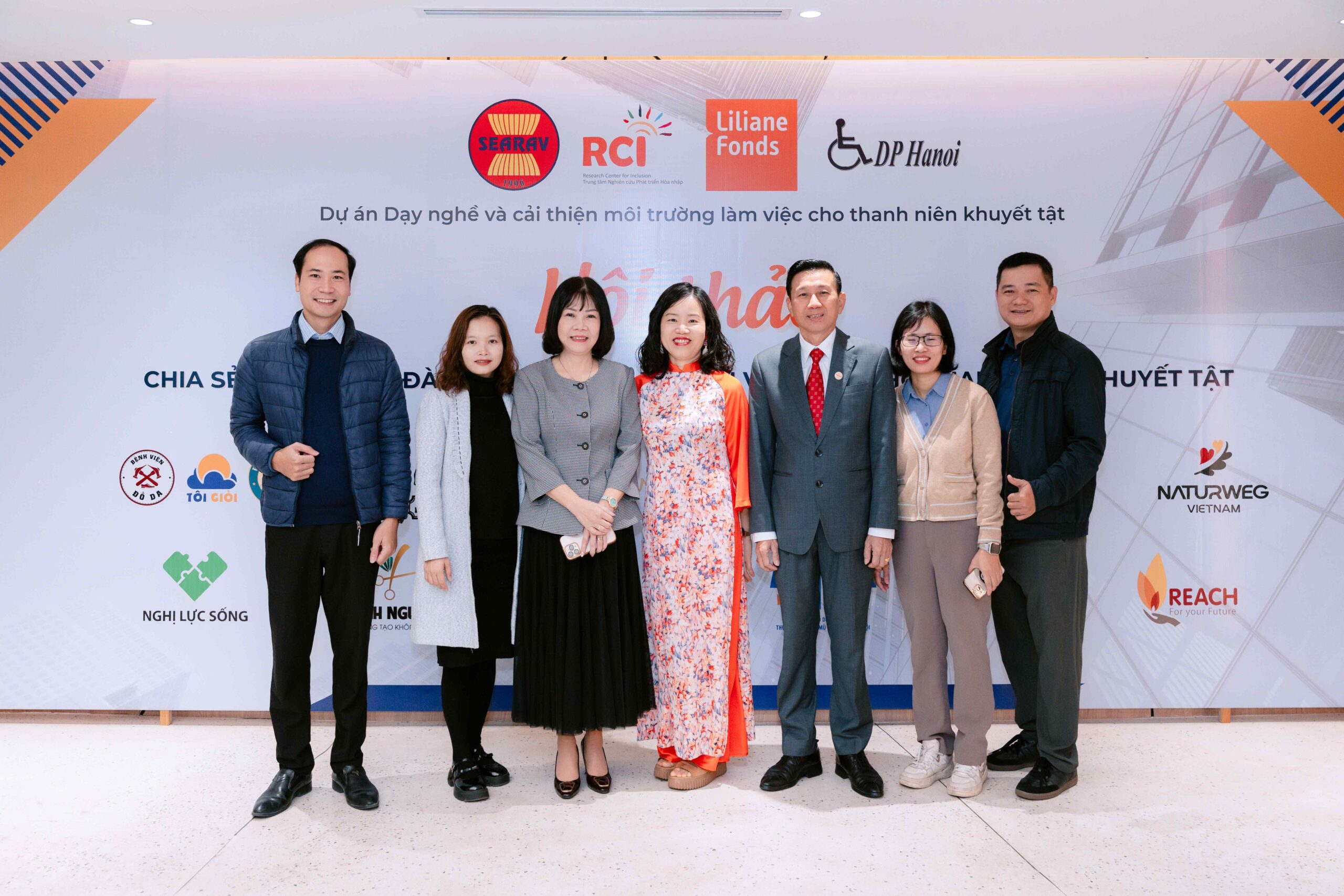
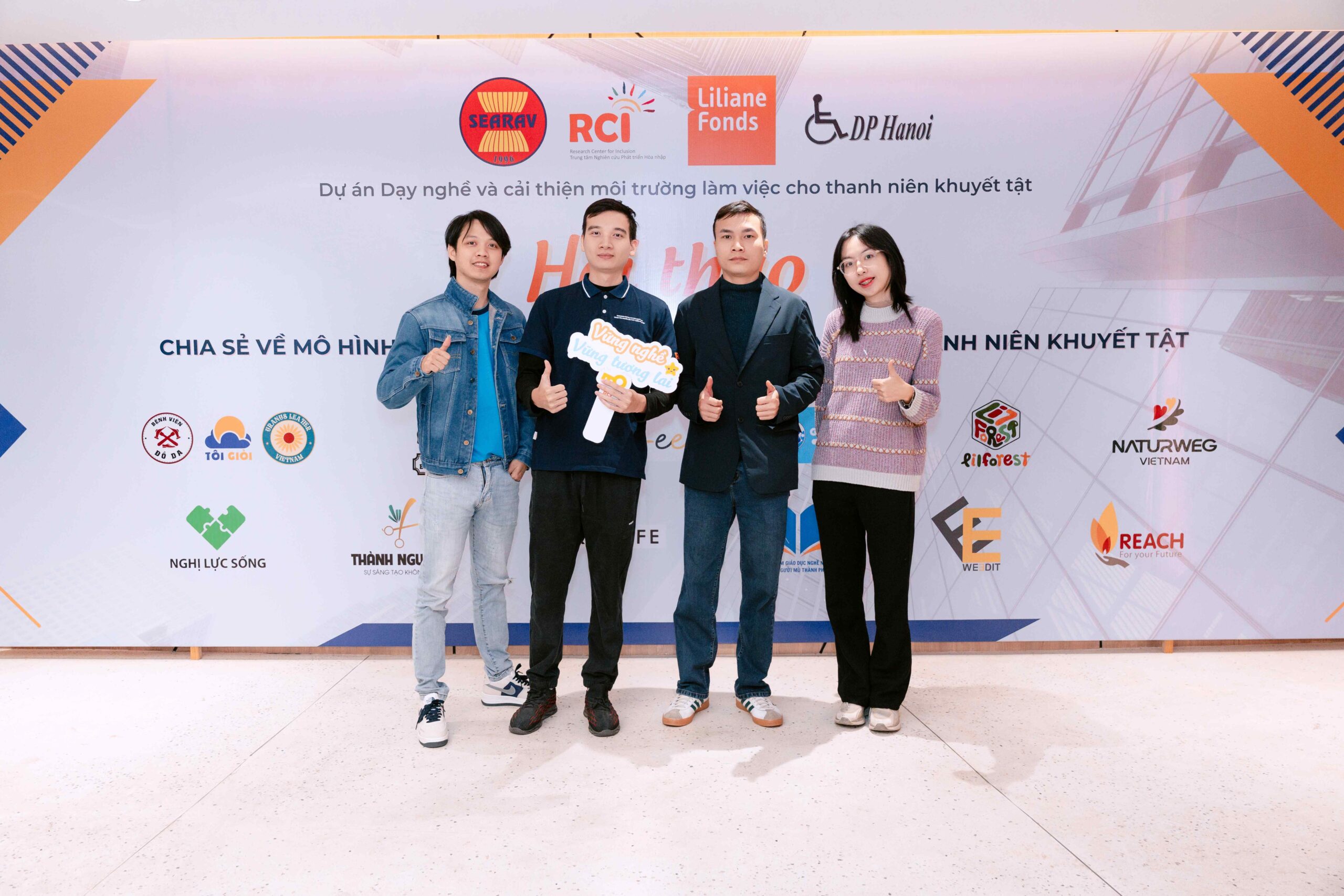
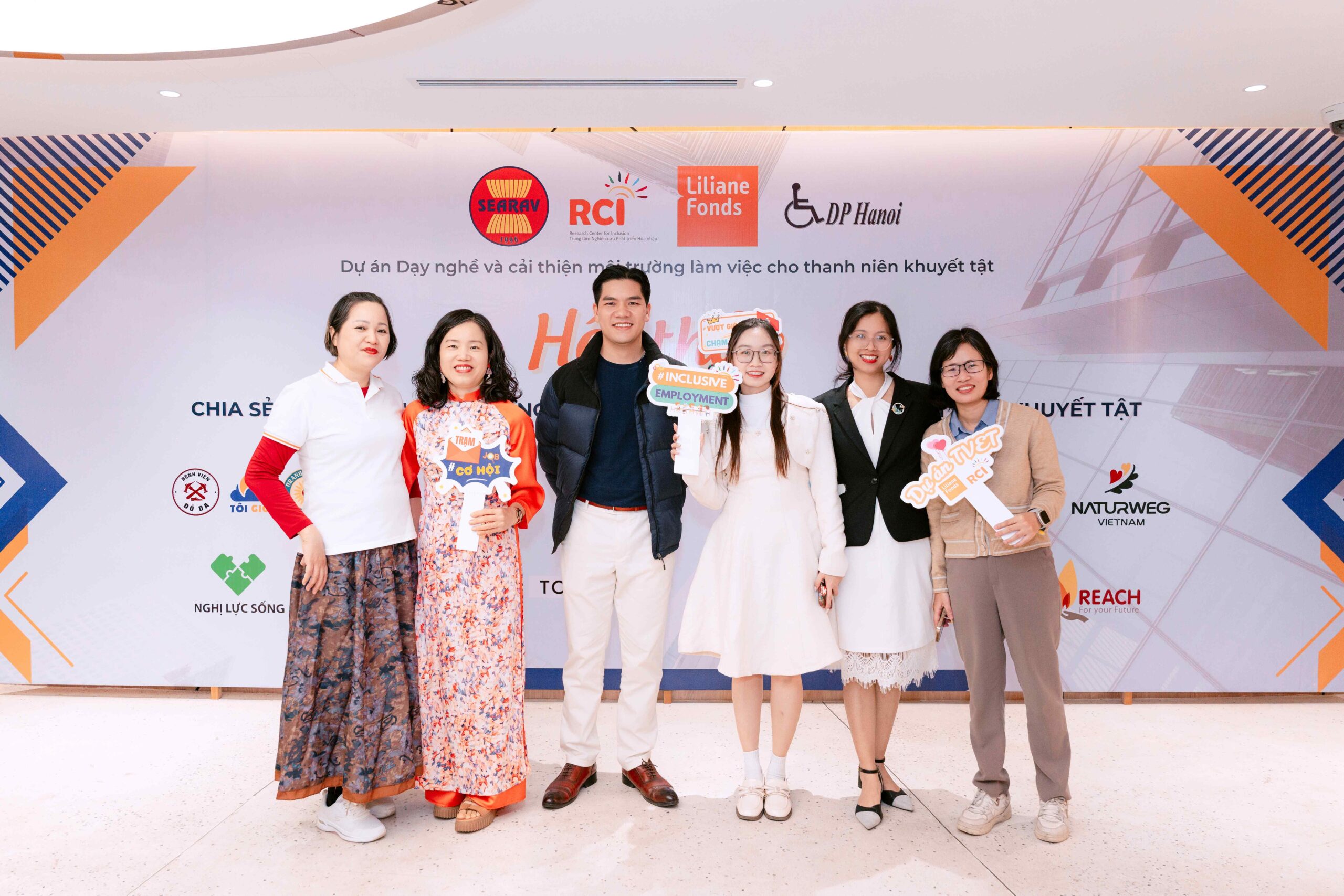
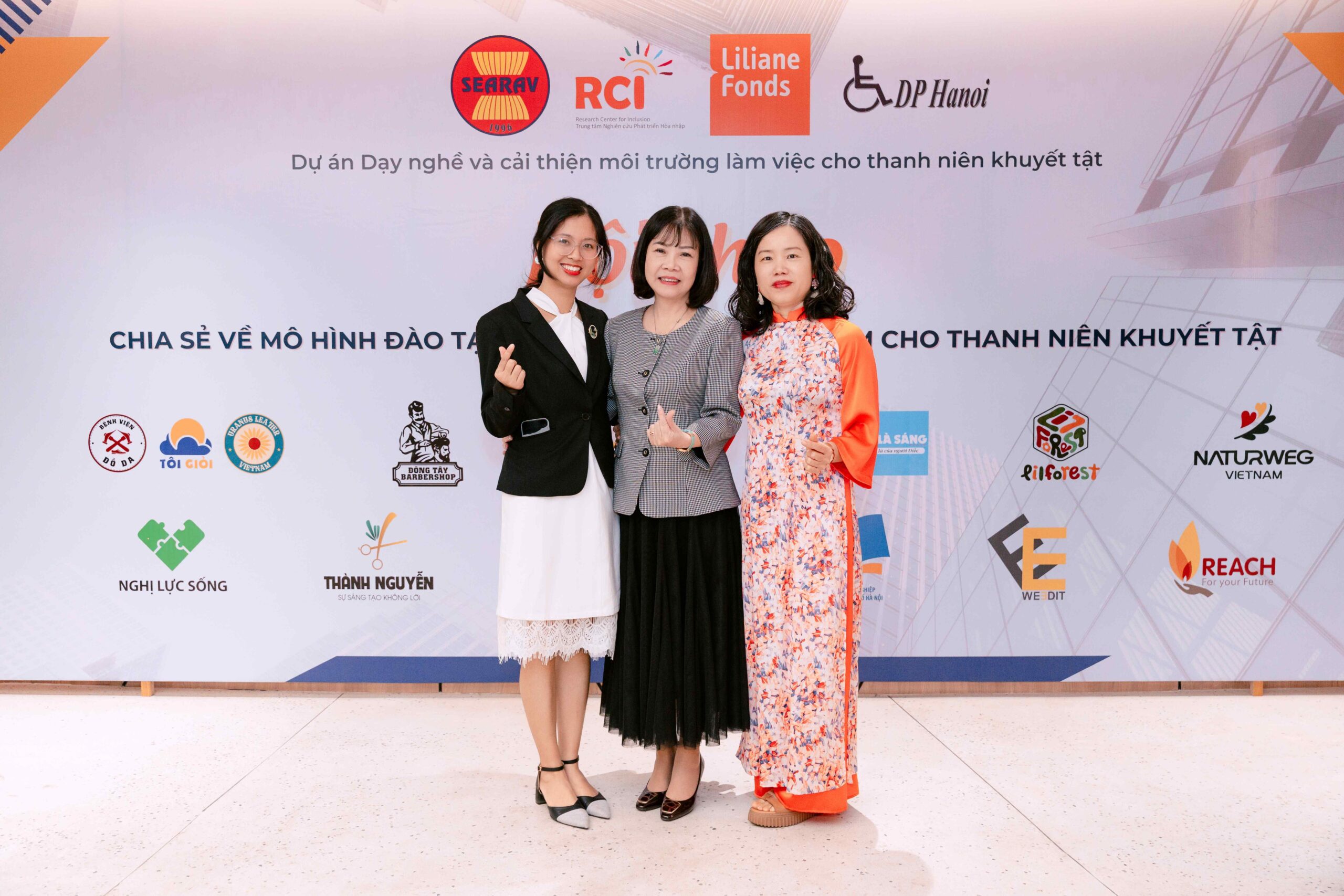
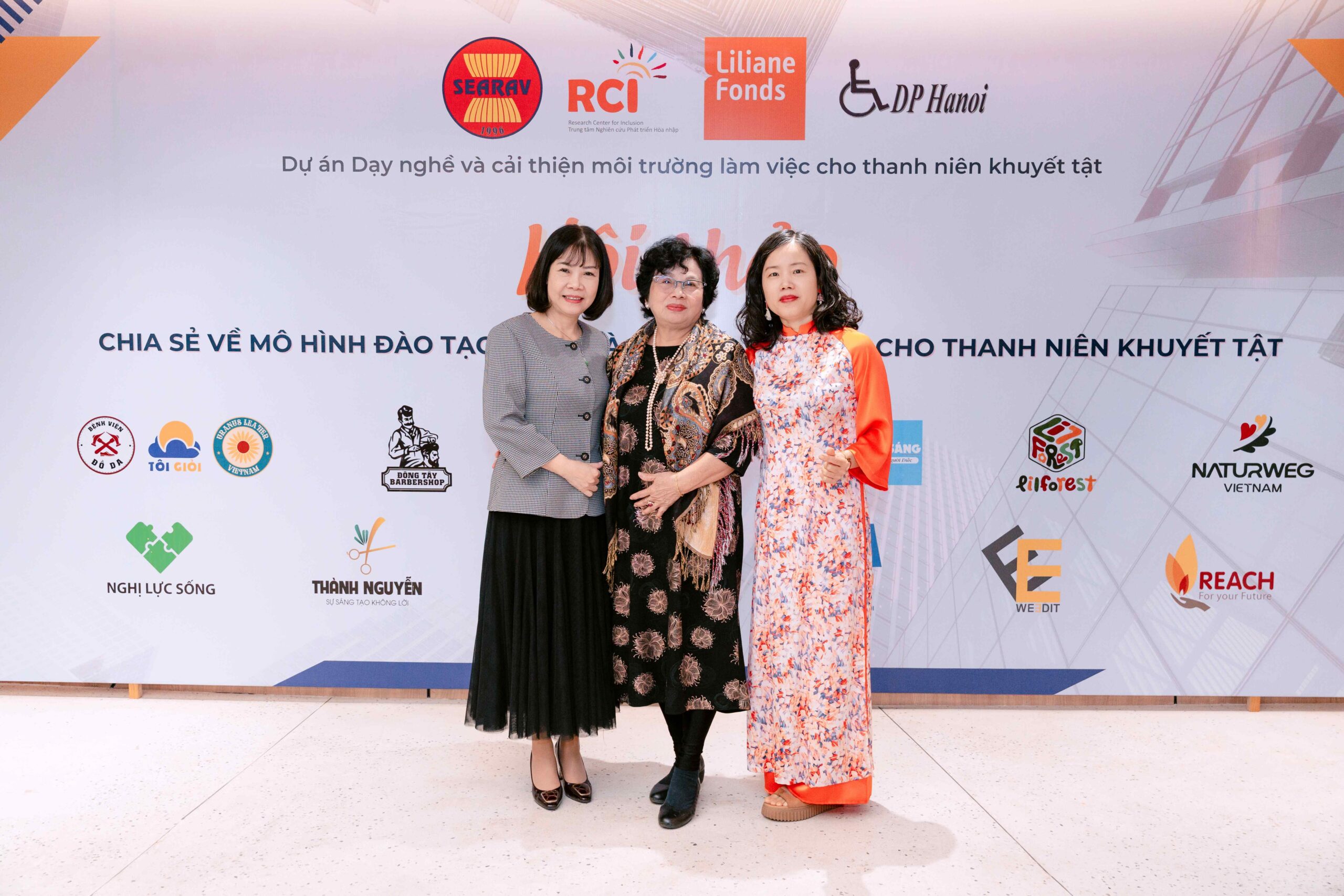
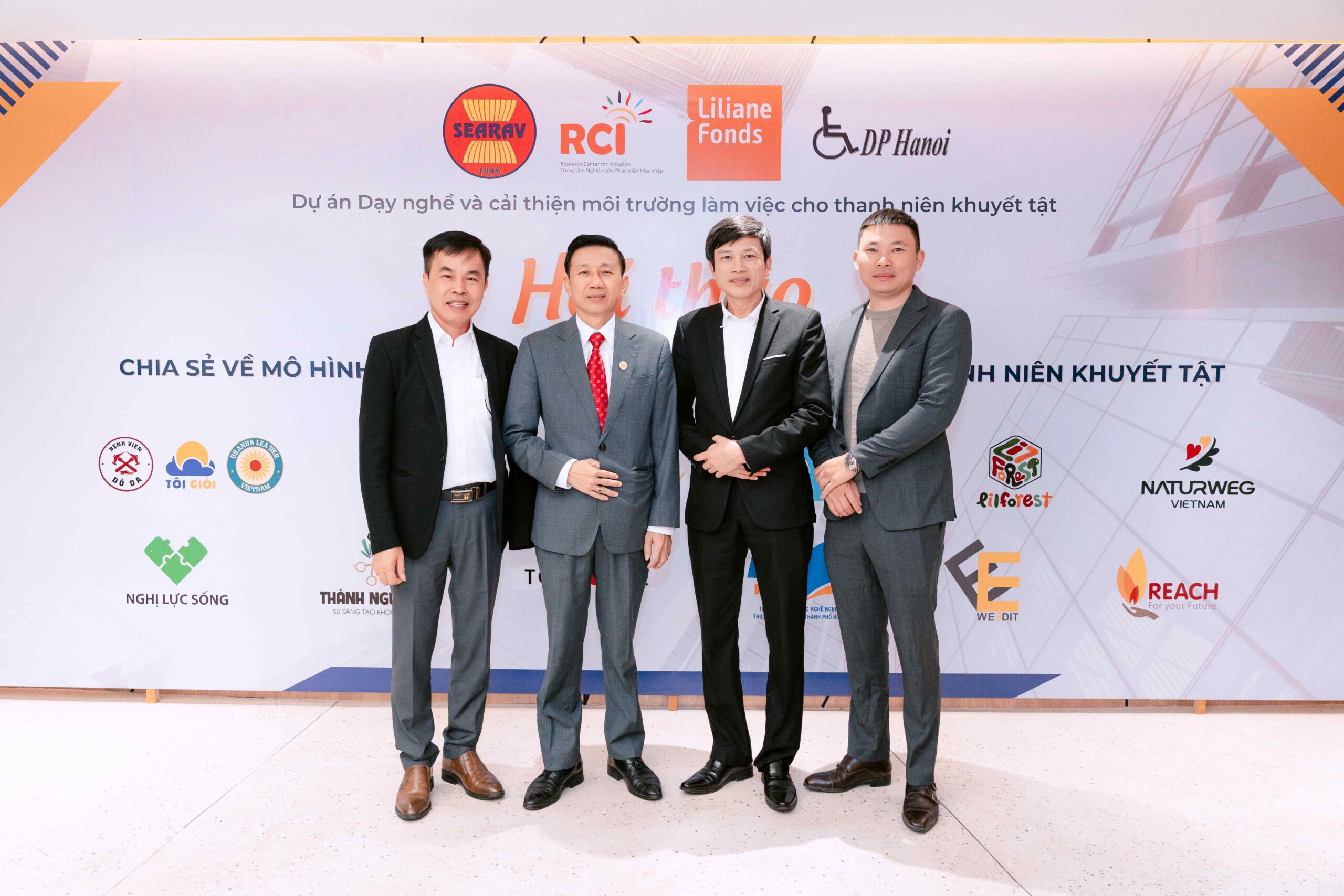
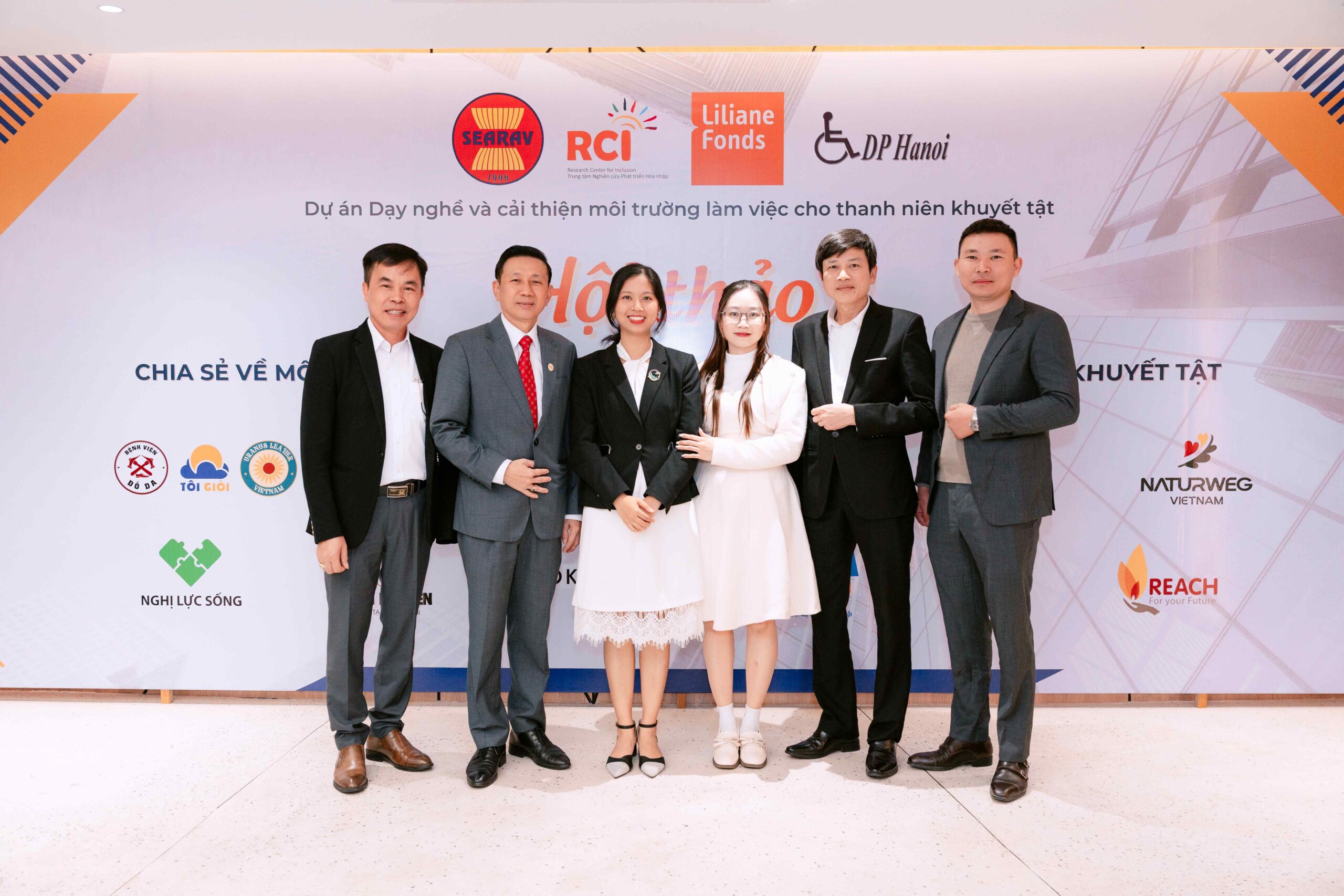
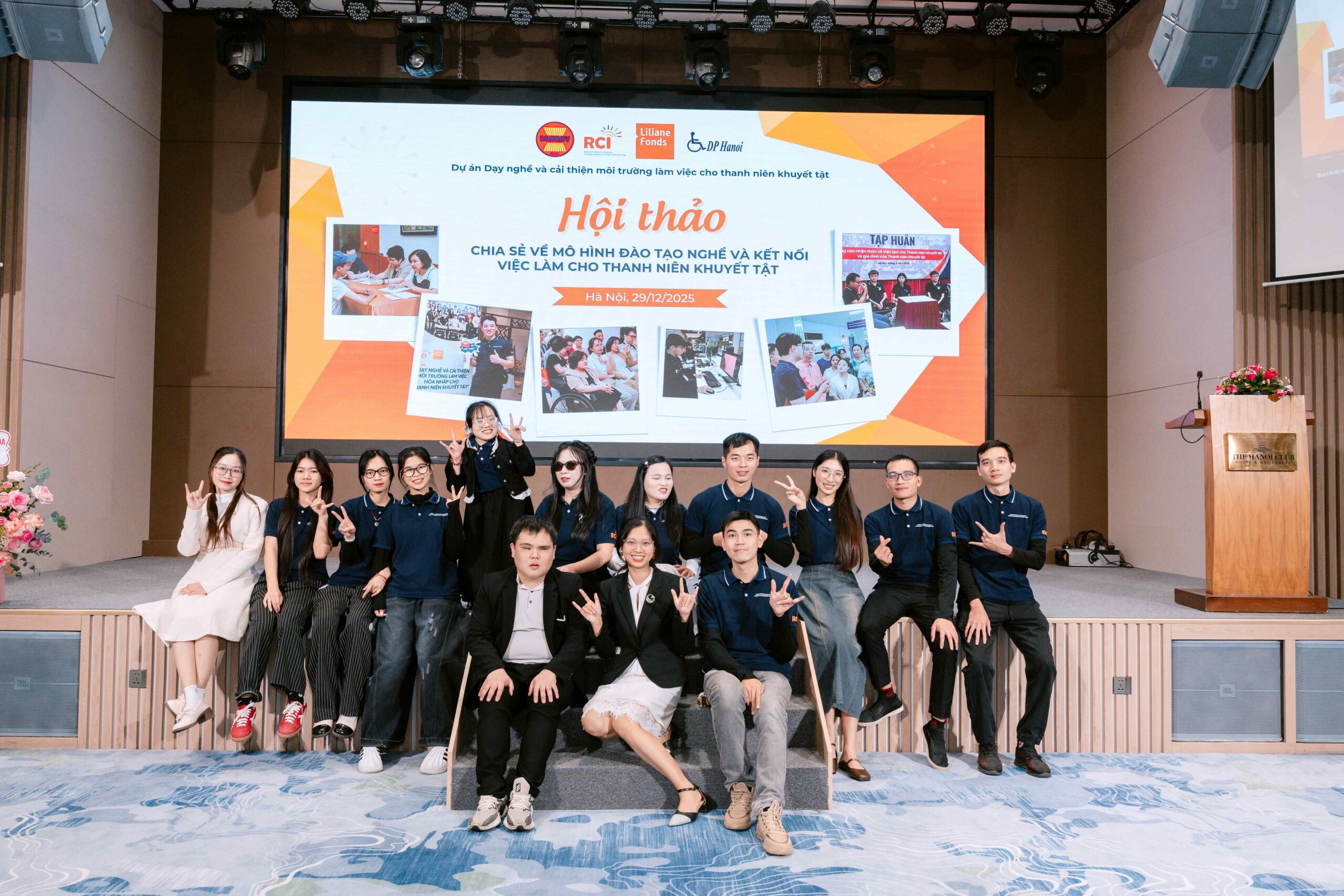
On December 29, 2025, in Hanoi, the Research Centre for Inclusion (RCI) organized a Workshop on Sharing Models of Vocational Training and Employment Linkages for Youth with Disabilities.
The workshop was held within the framework of the project “Inclusive employment – Inclusive youth with disability” (TVET), funded by the Liliane Fonds (the Netherlands). It also served as the project’s final review workshop after three years of implementation (2023-2025) in Ha Noi.
The workshop brought together representatives from the Southeast Asian Research Association Of Viet Nam (SEARAV); the Department of Vocational Education and Continuing Education under the Ministry of Education and Training; the Ha Noi Association of Persons with Disabilities (DP Hanoi); as well as partner organizations, vocational training institutions, and enterprises that have recruited or are recruiting persons with disabilities.
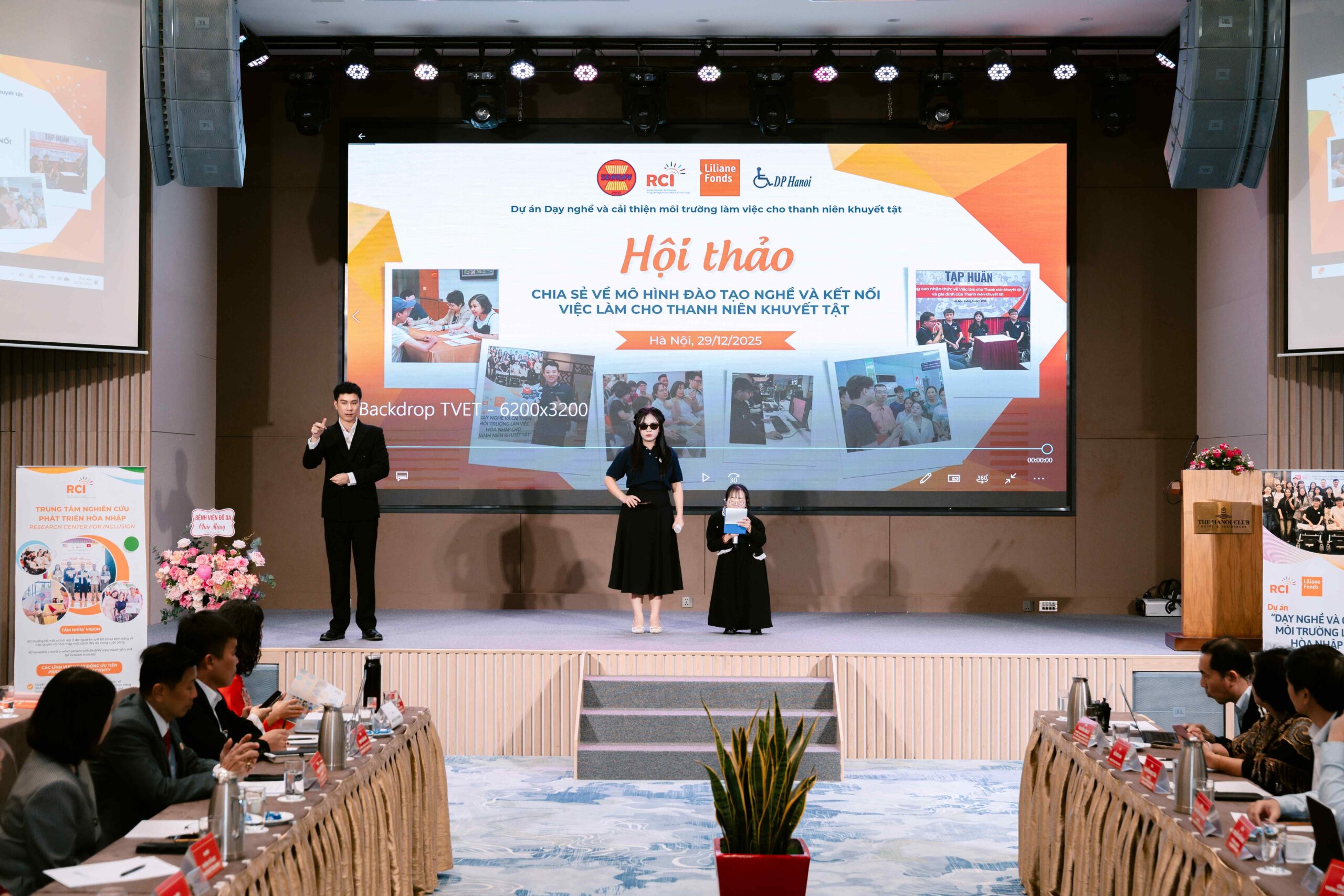
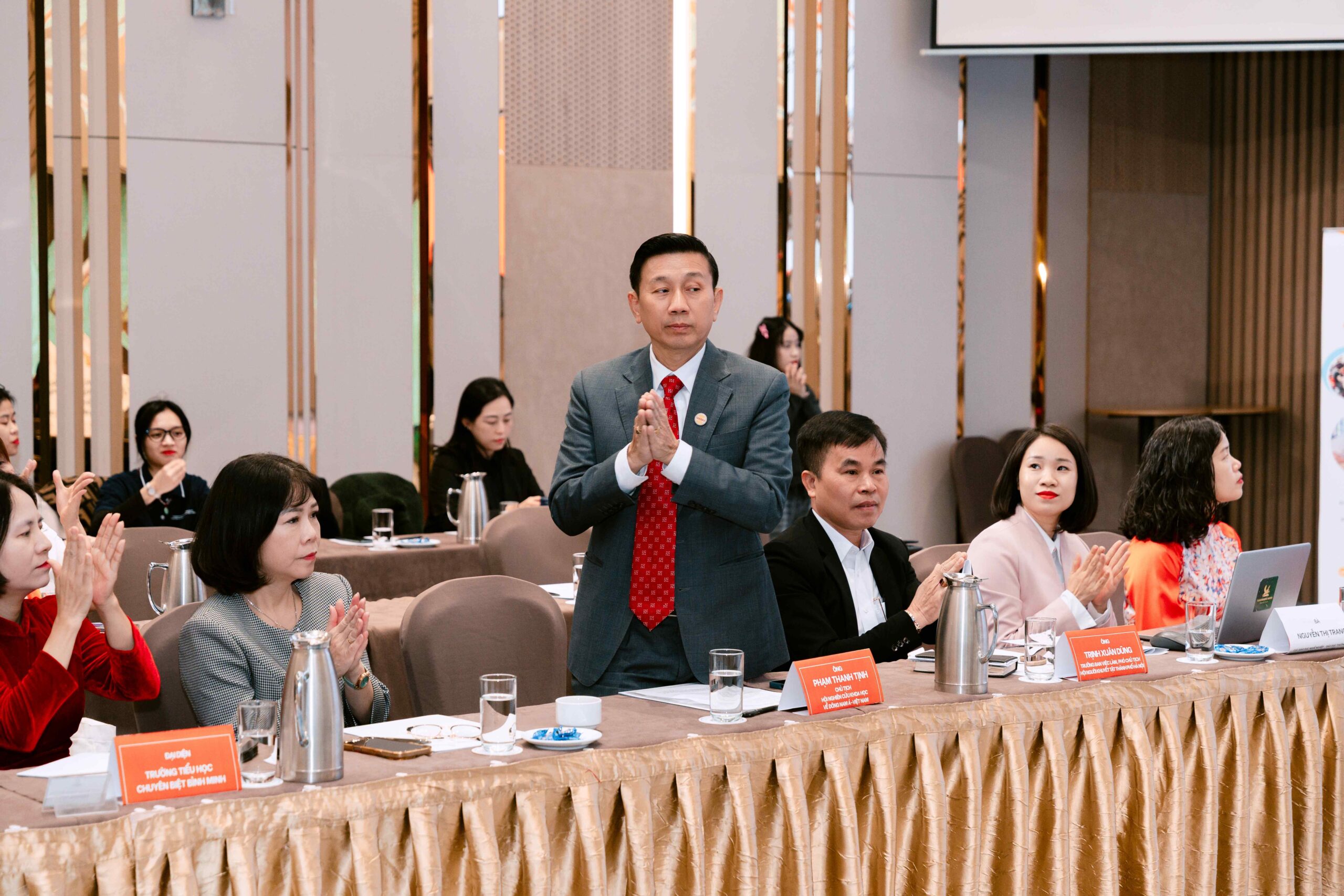
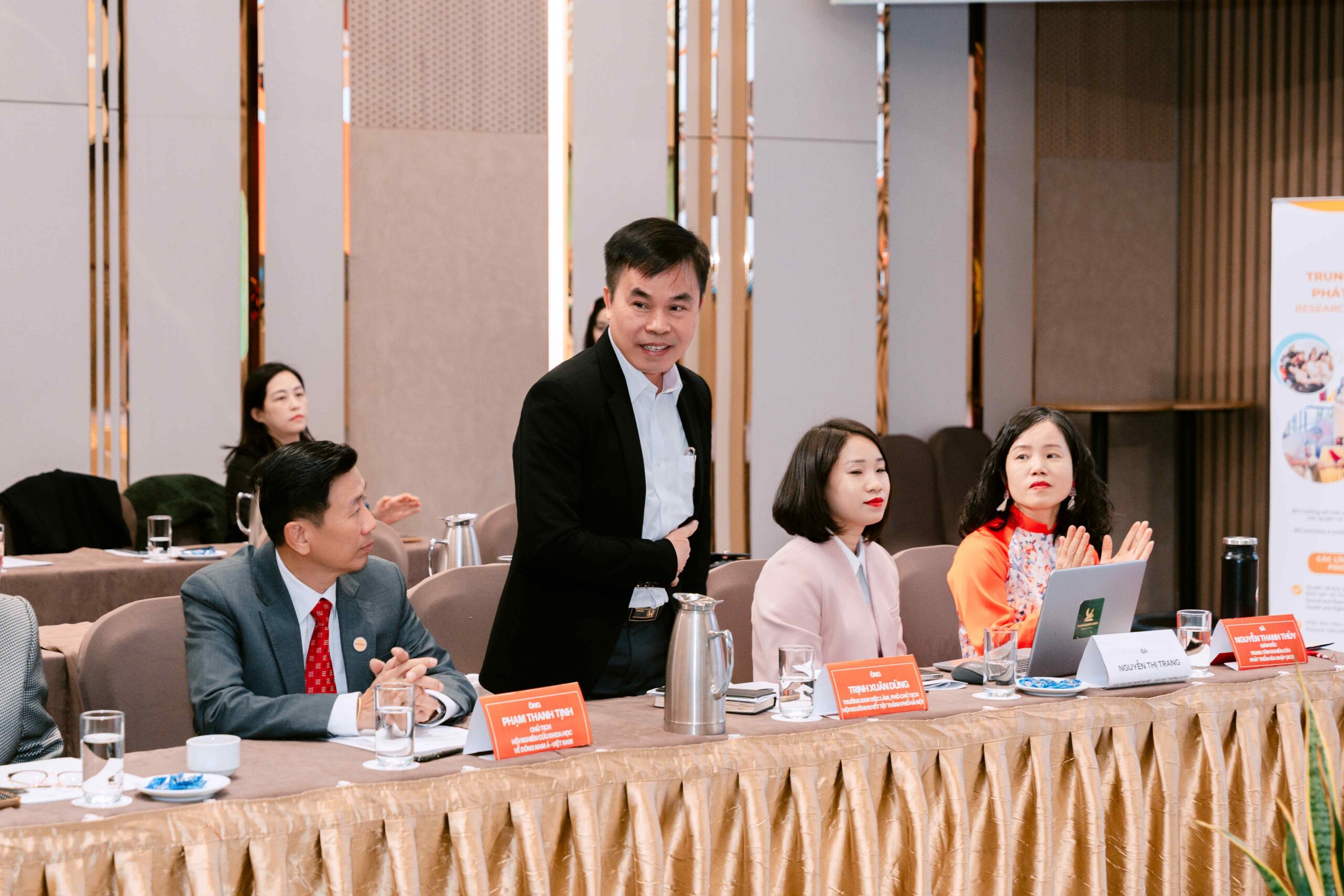

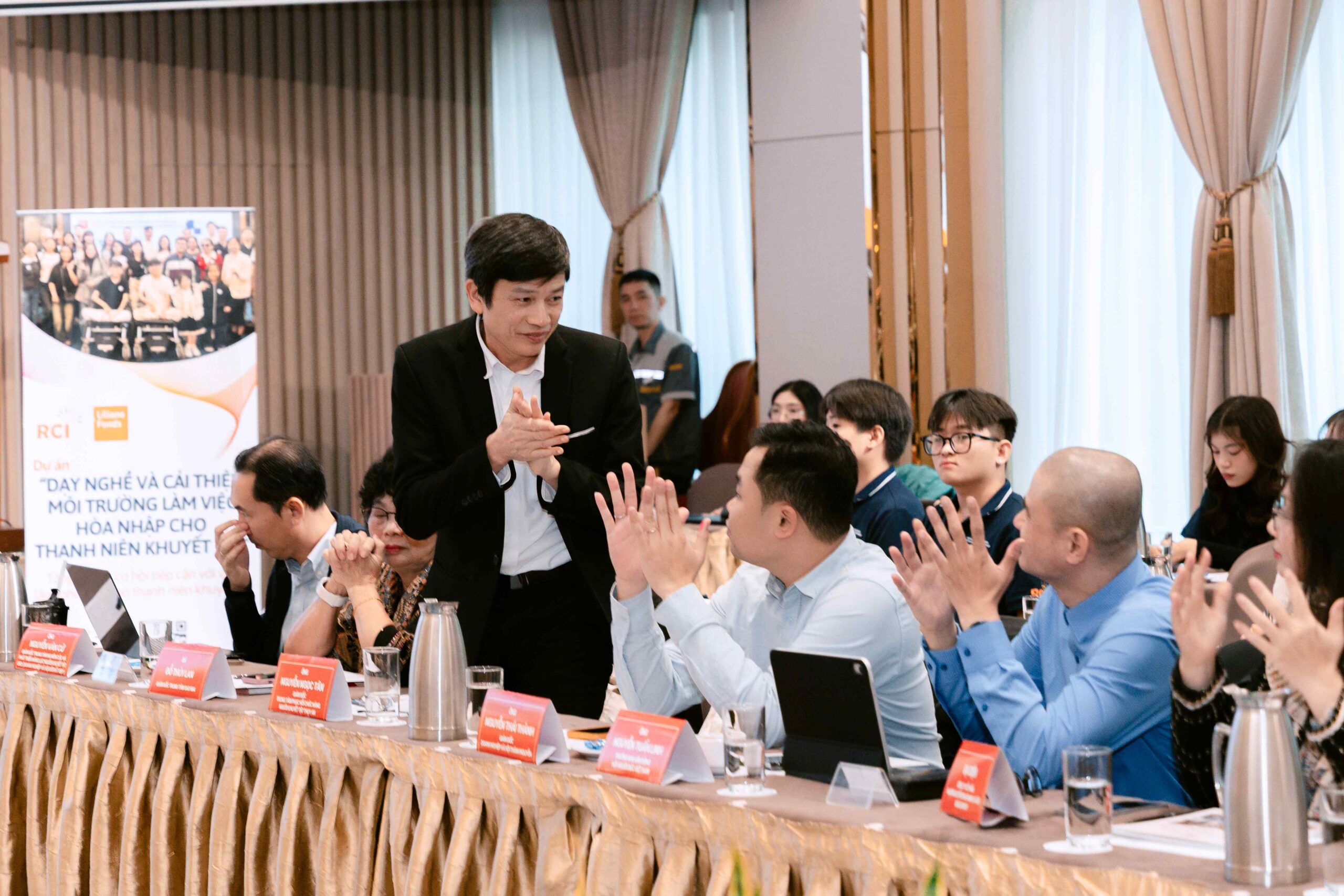
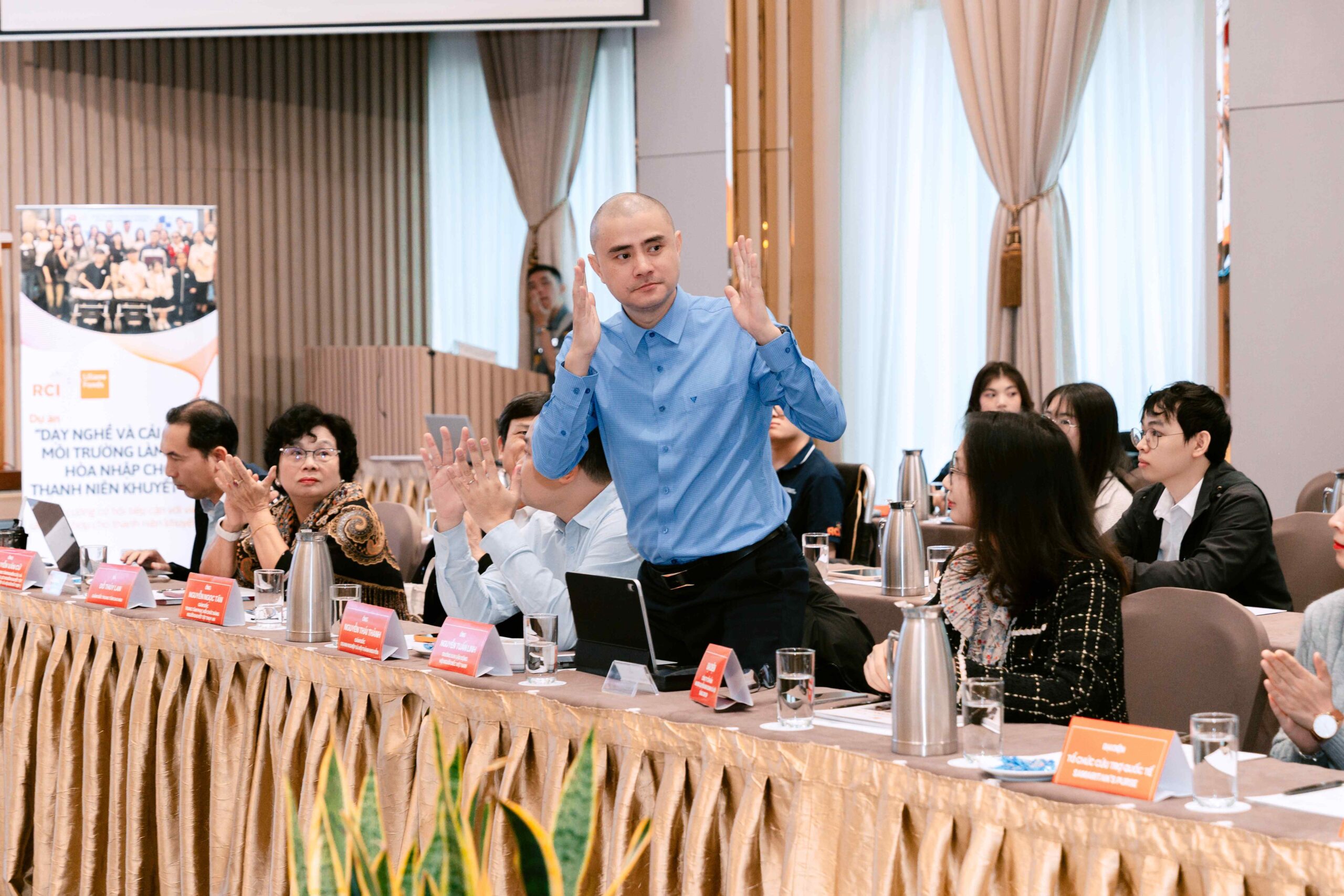
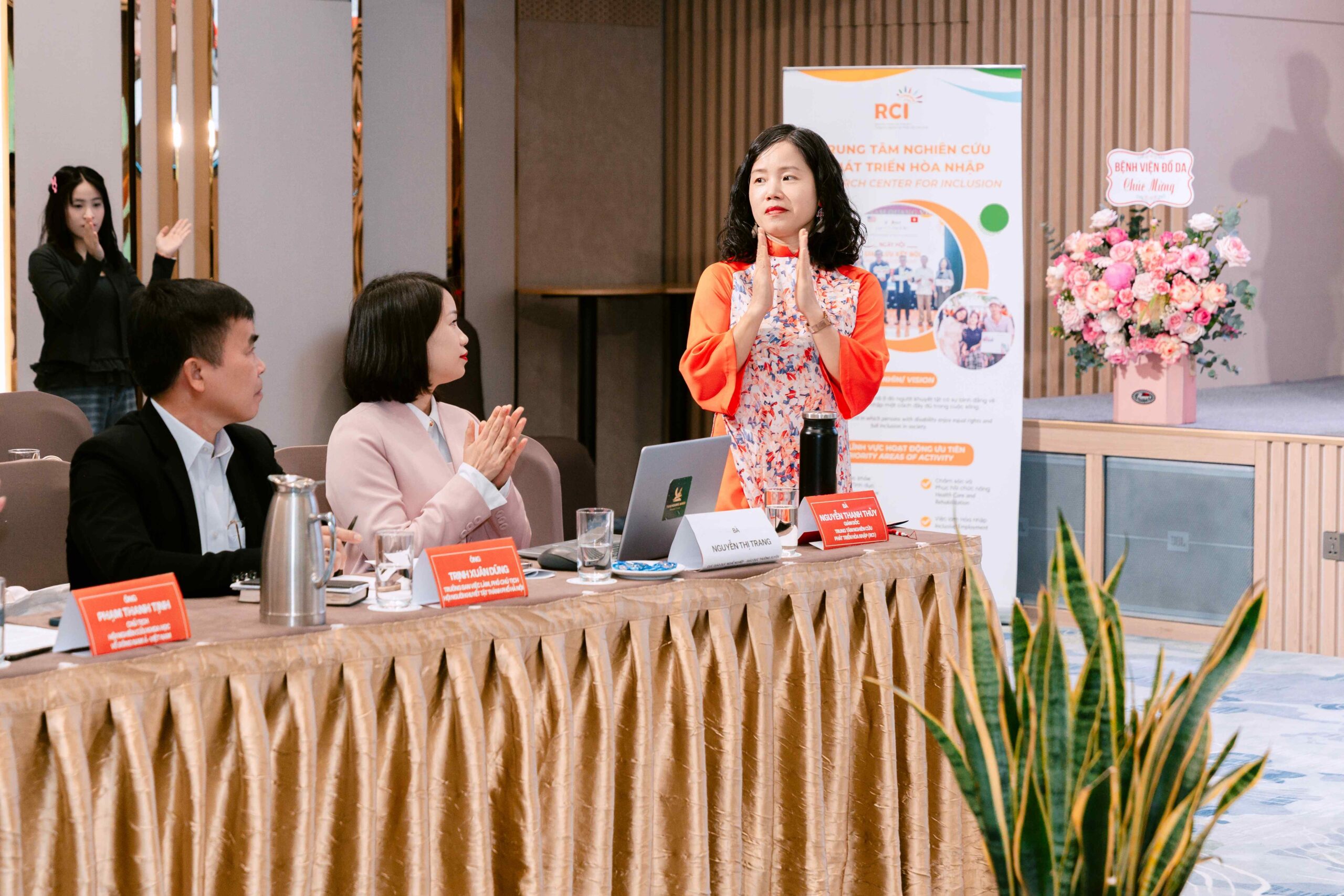
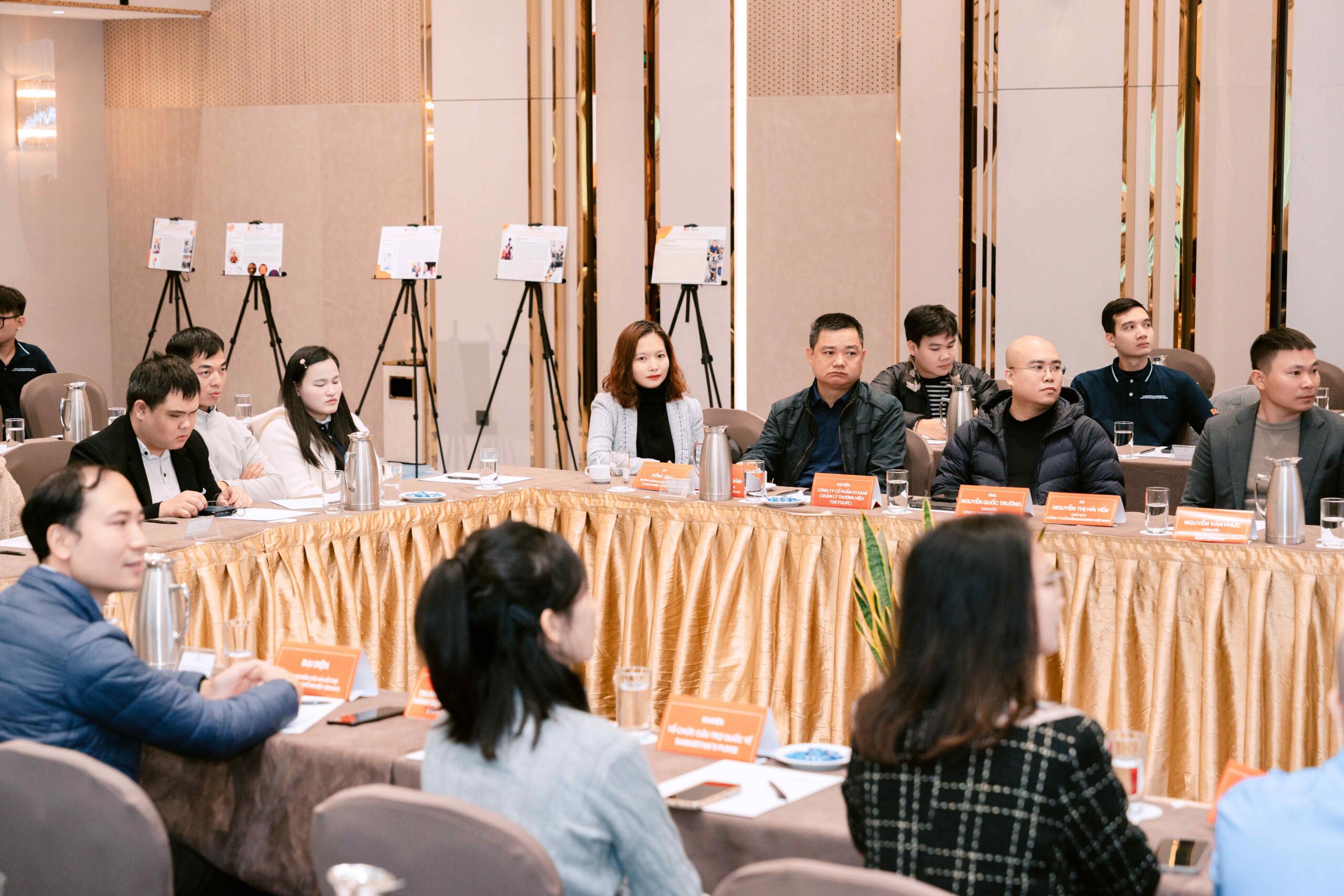
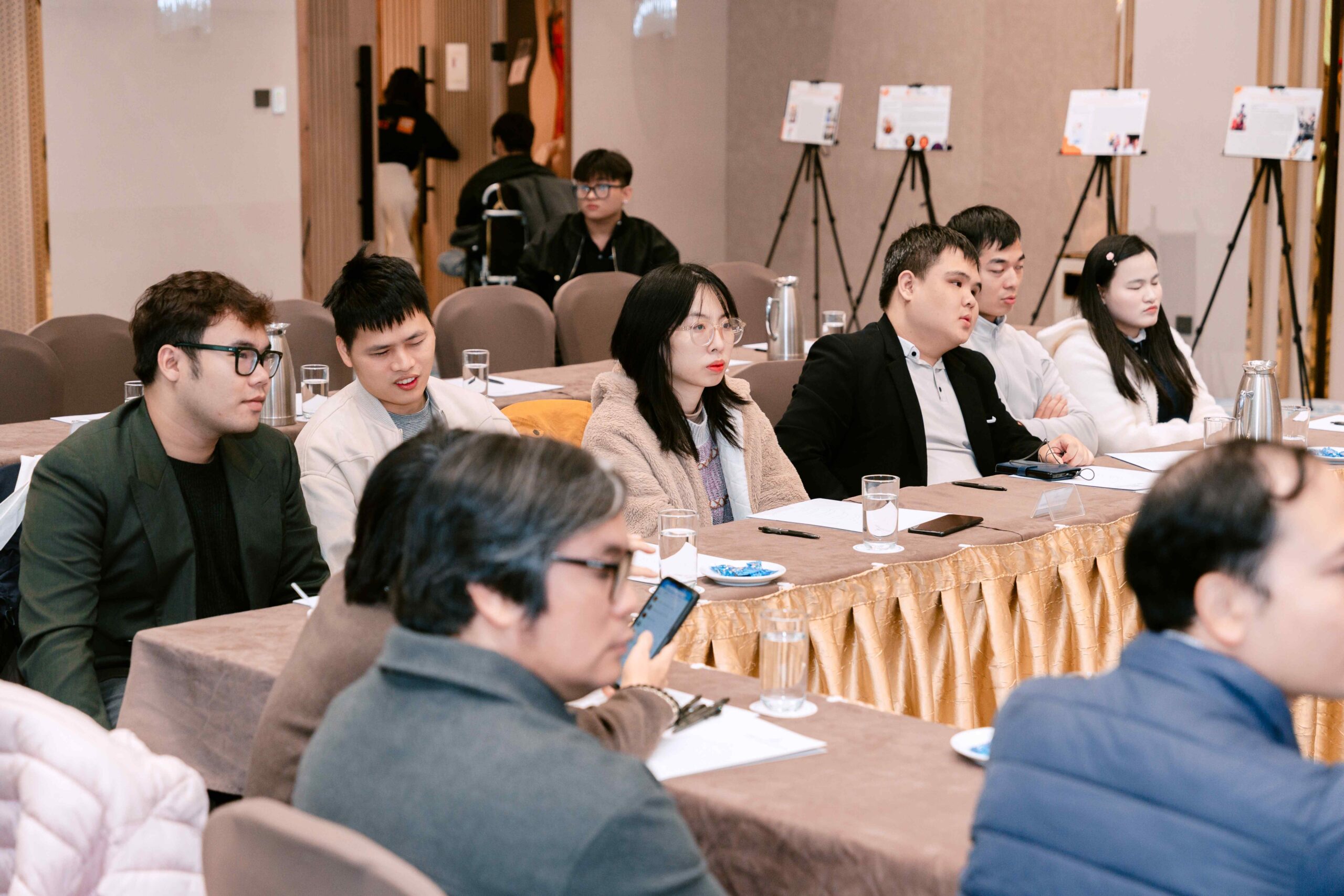
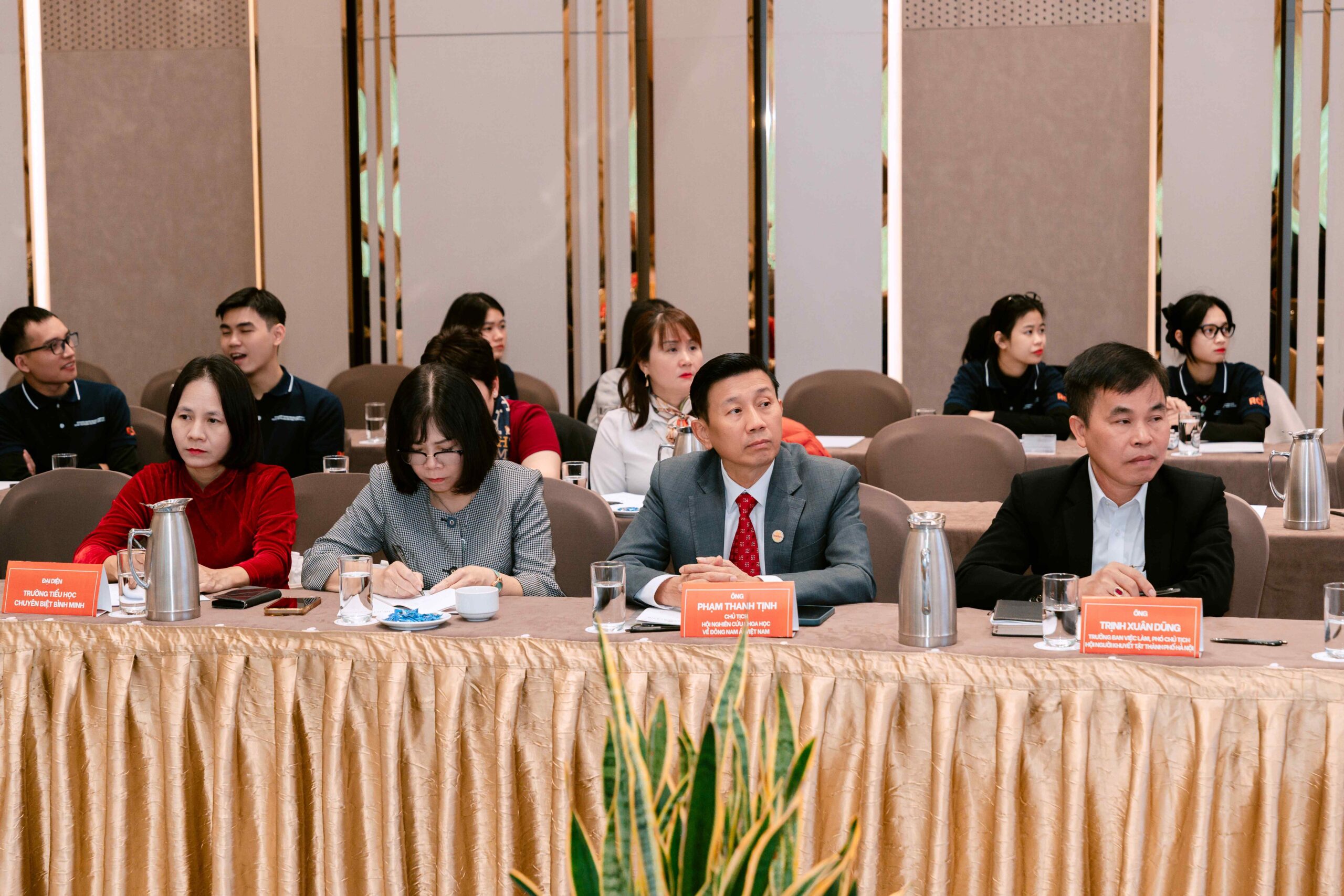
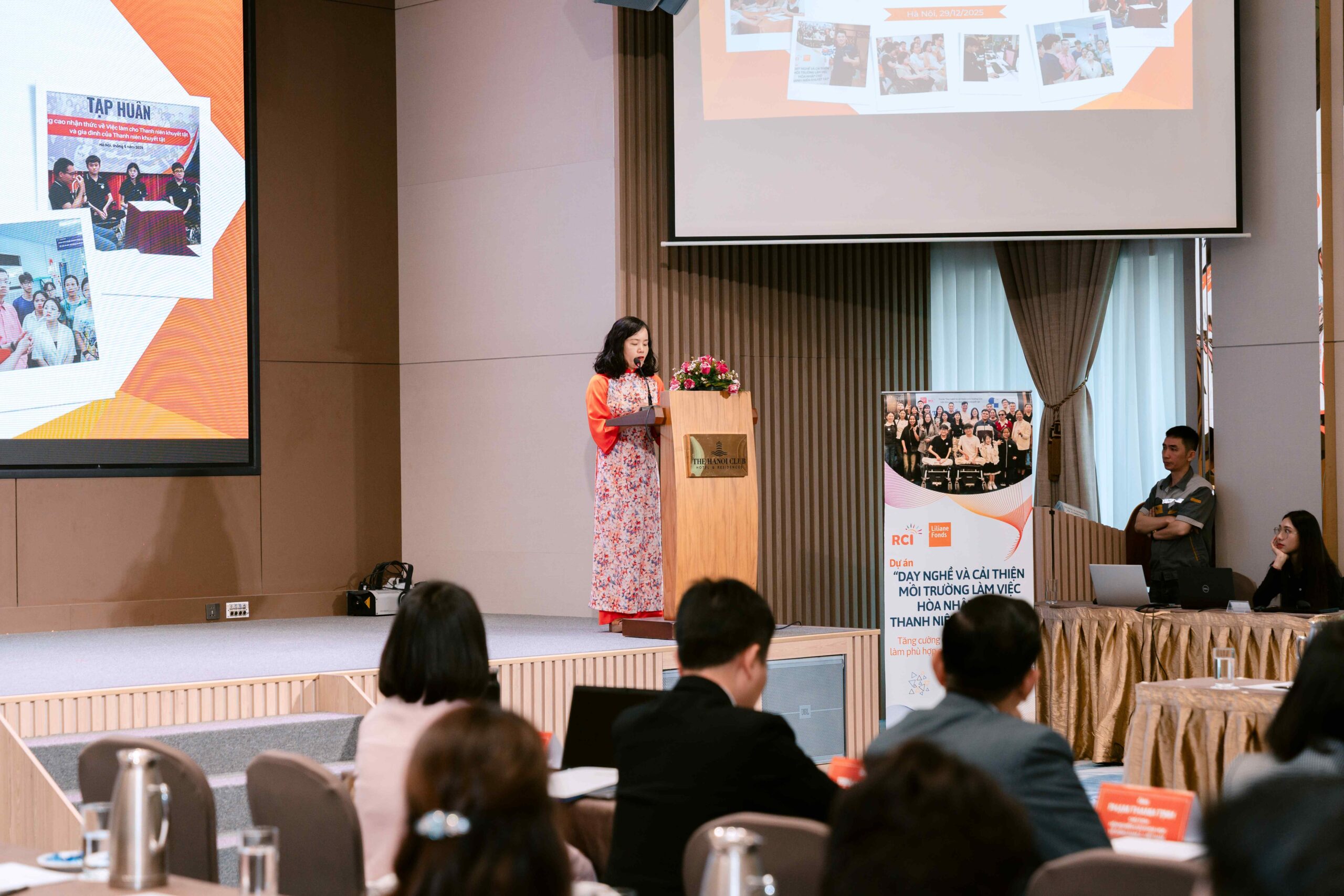
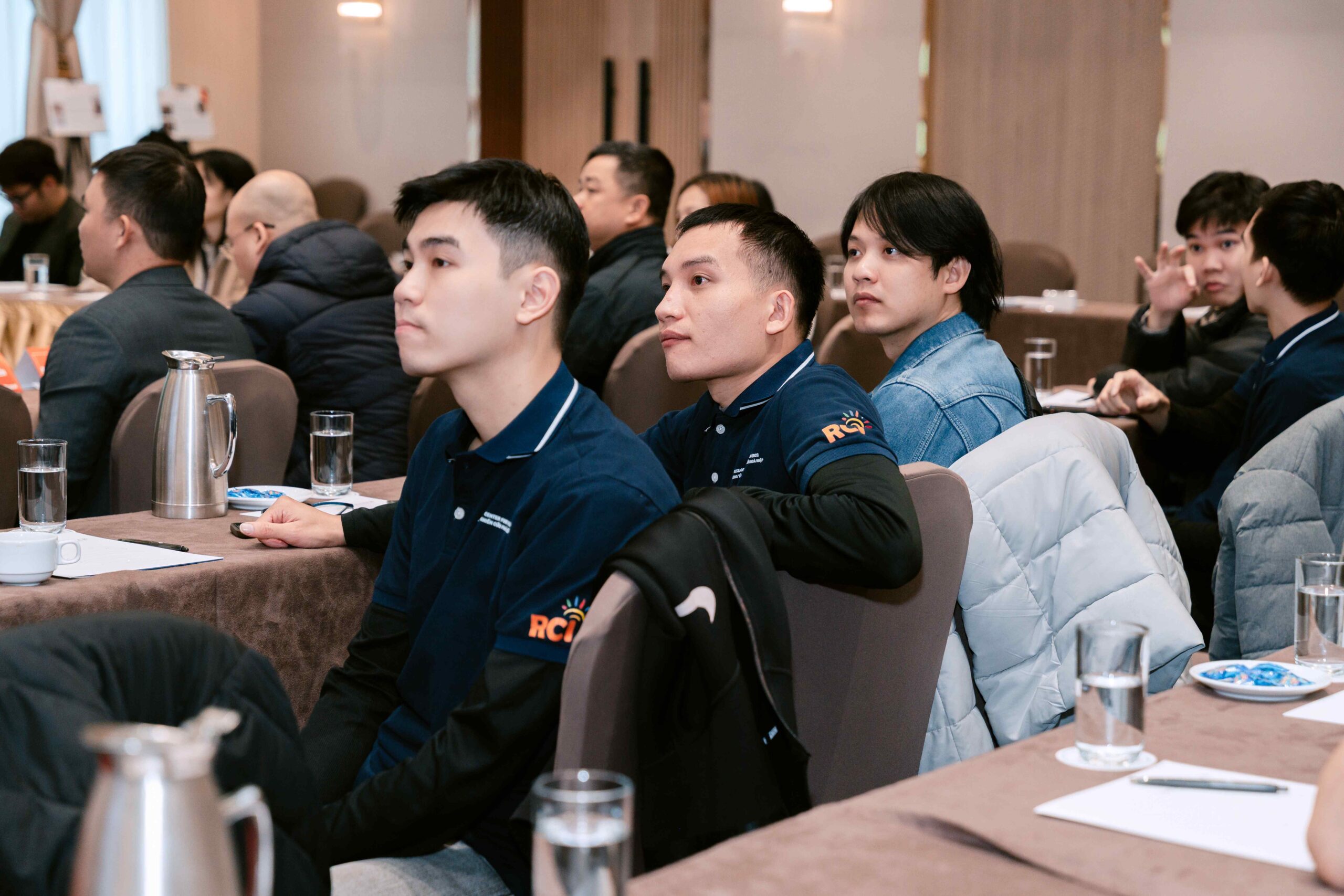
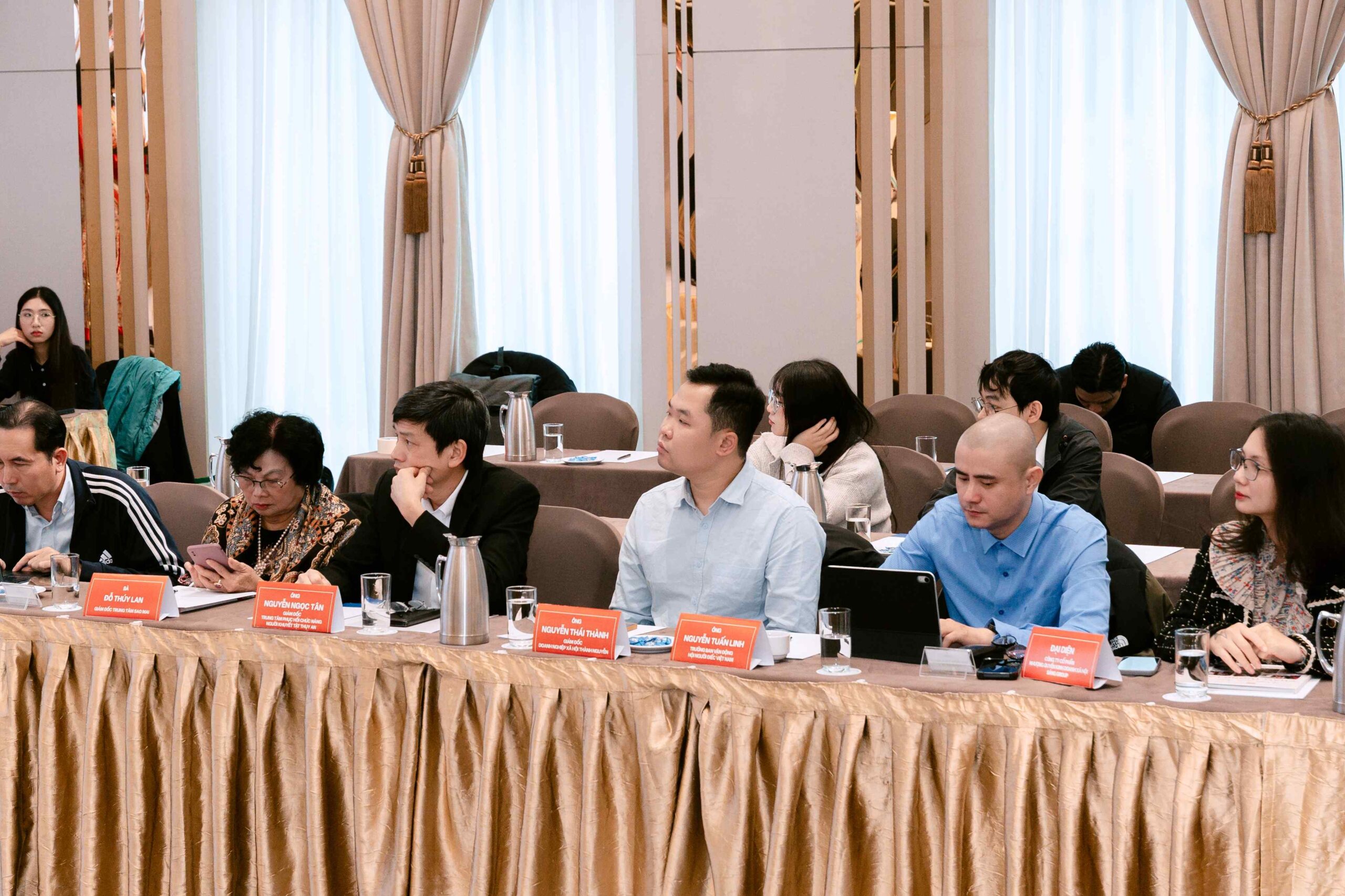
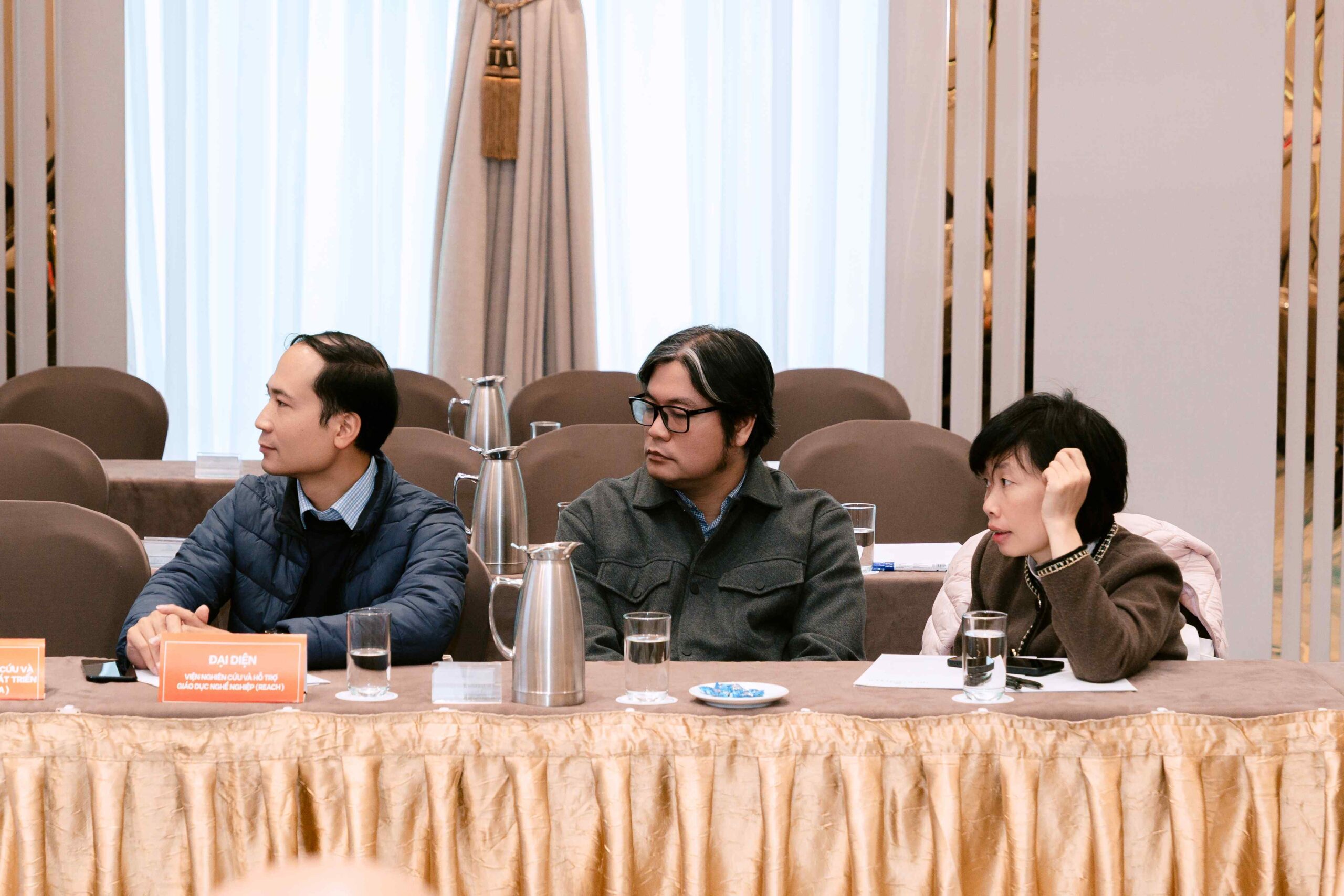
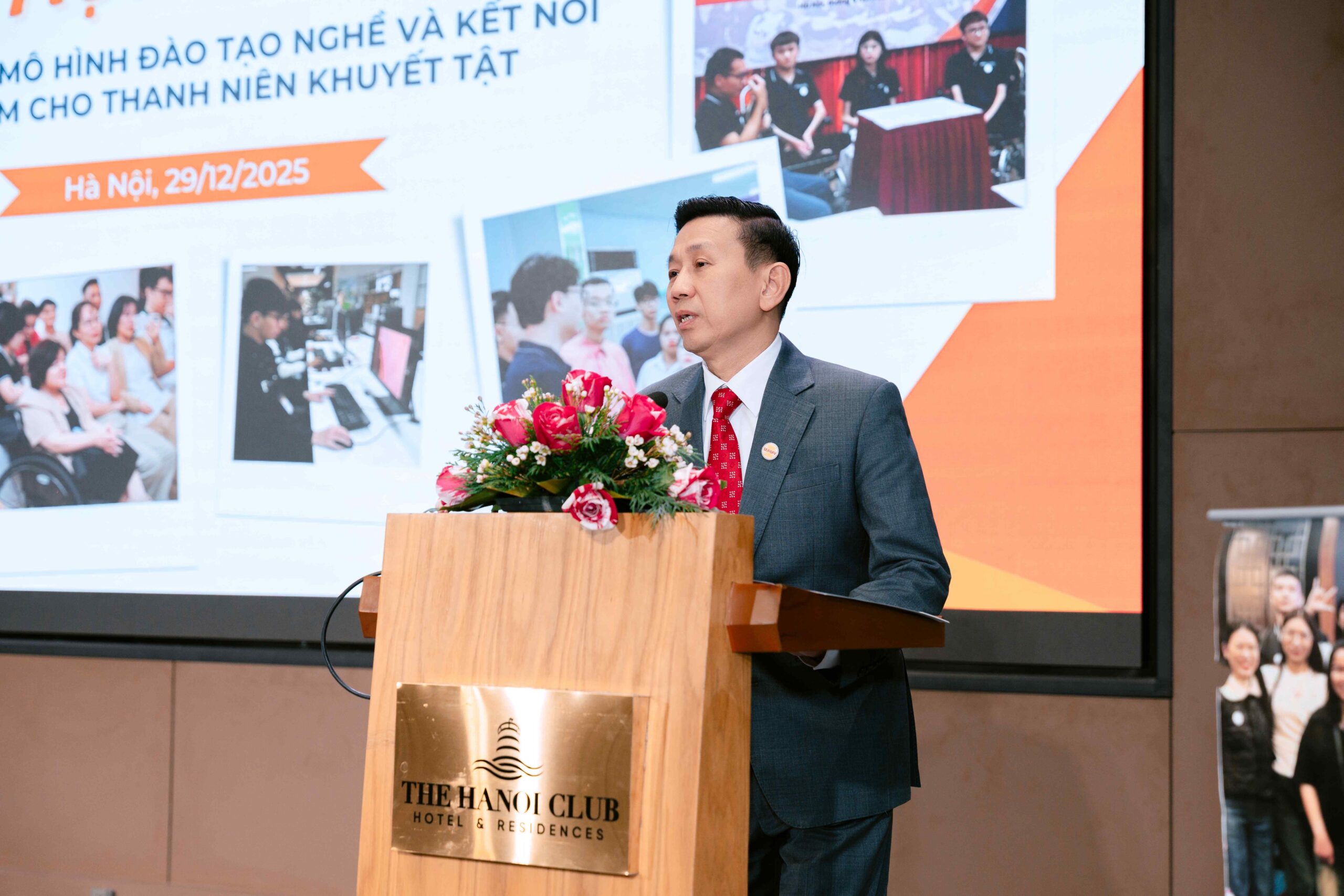
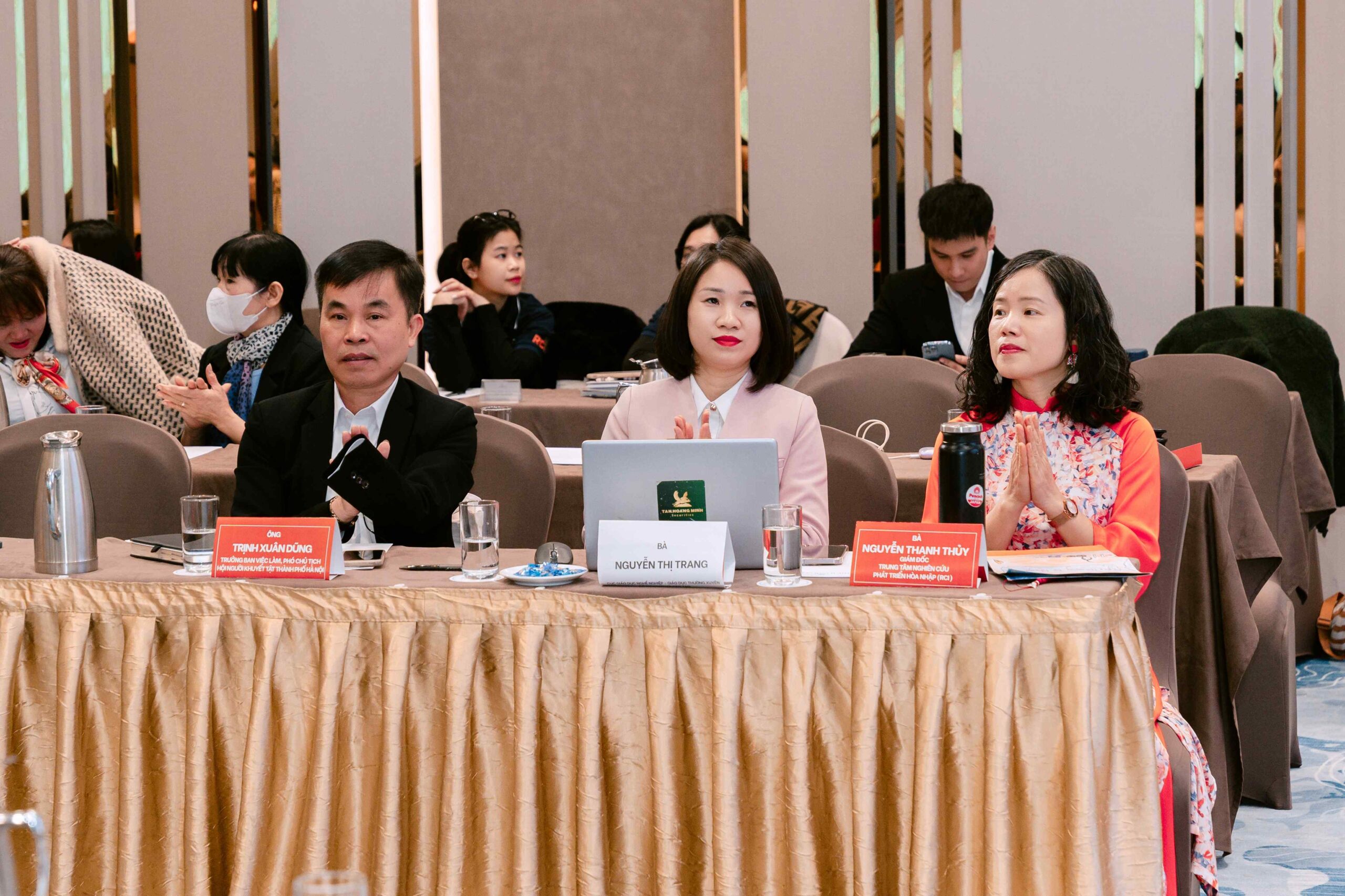
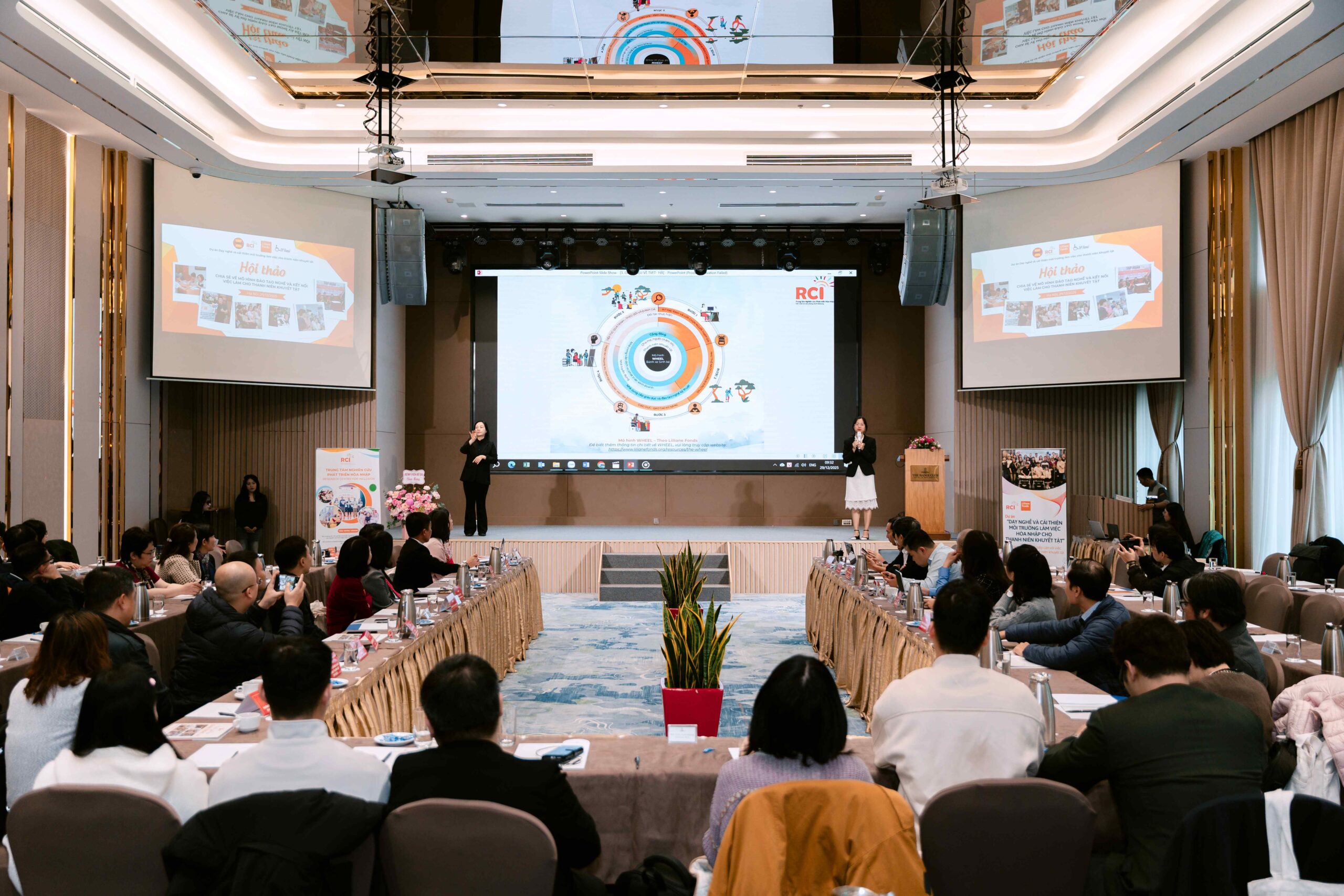
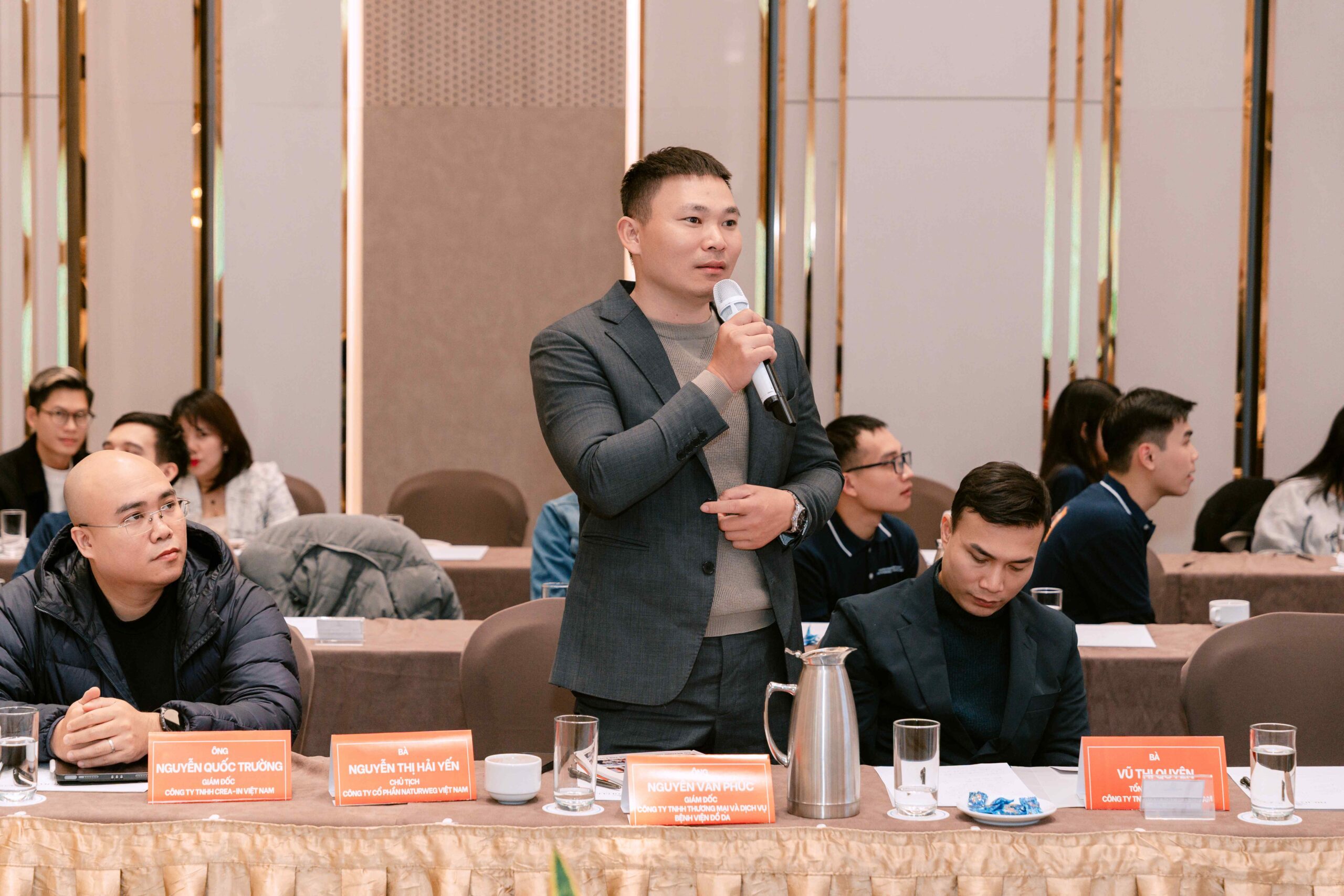
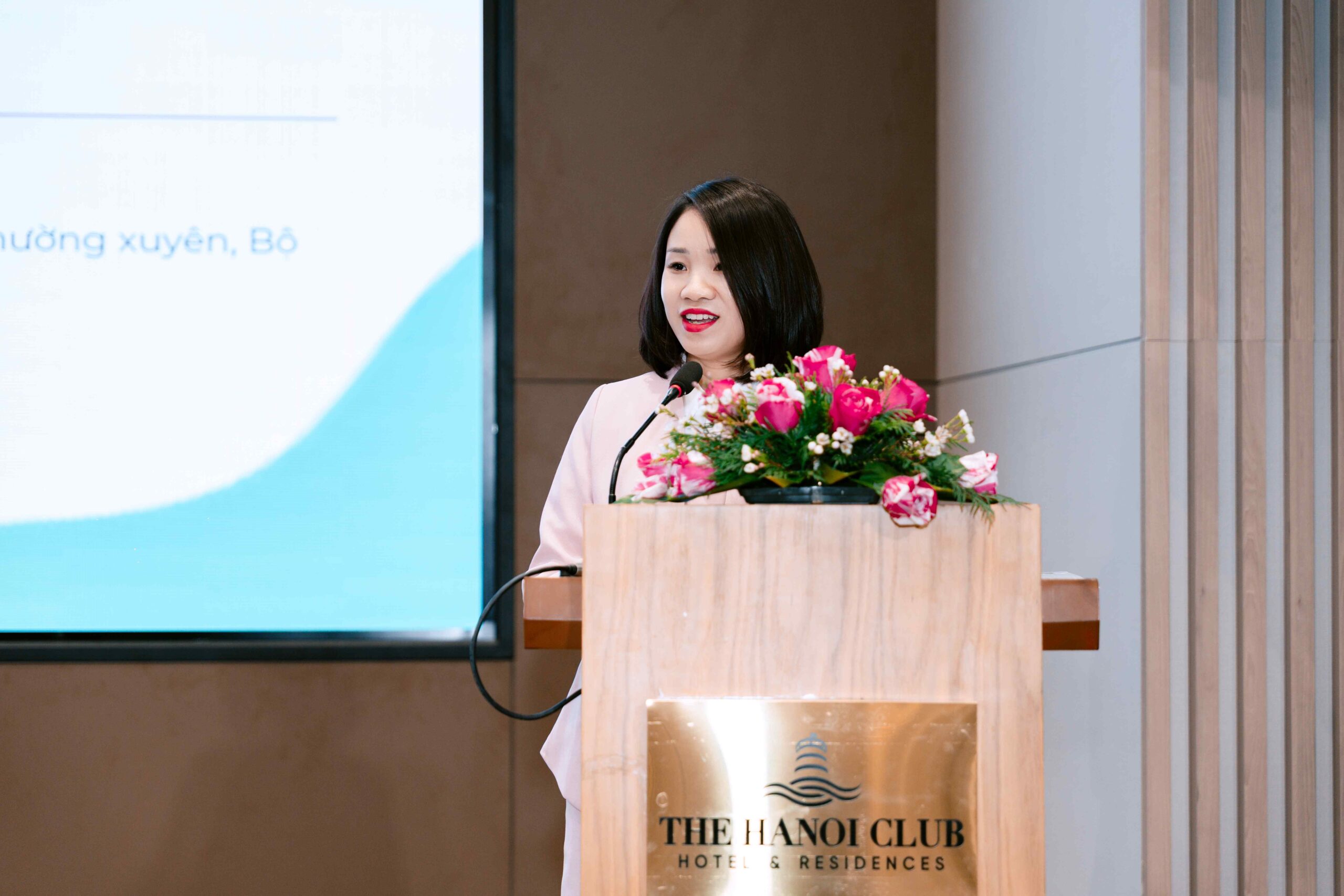
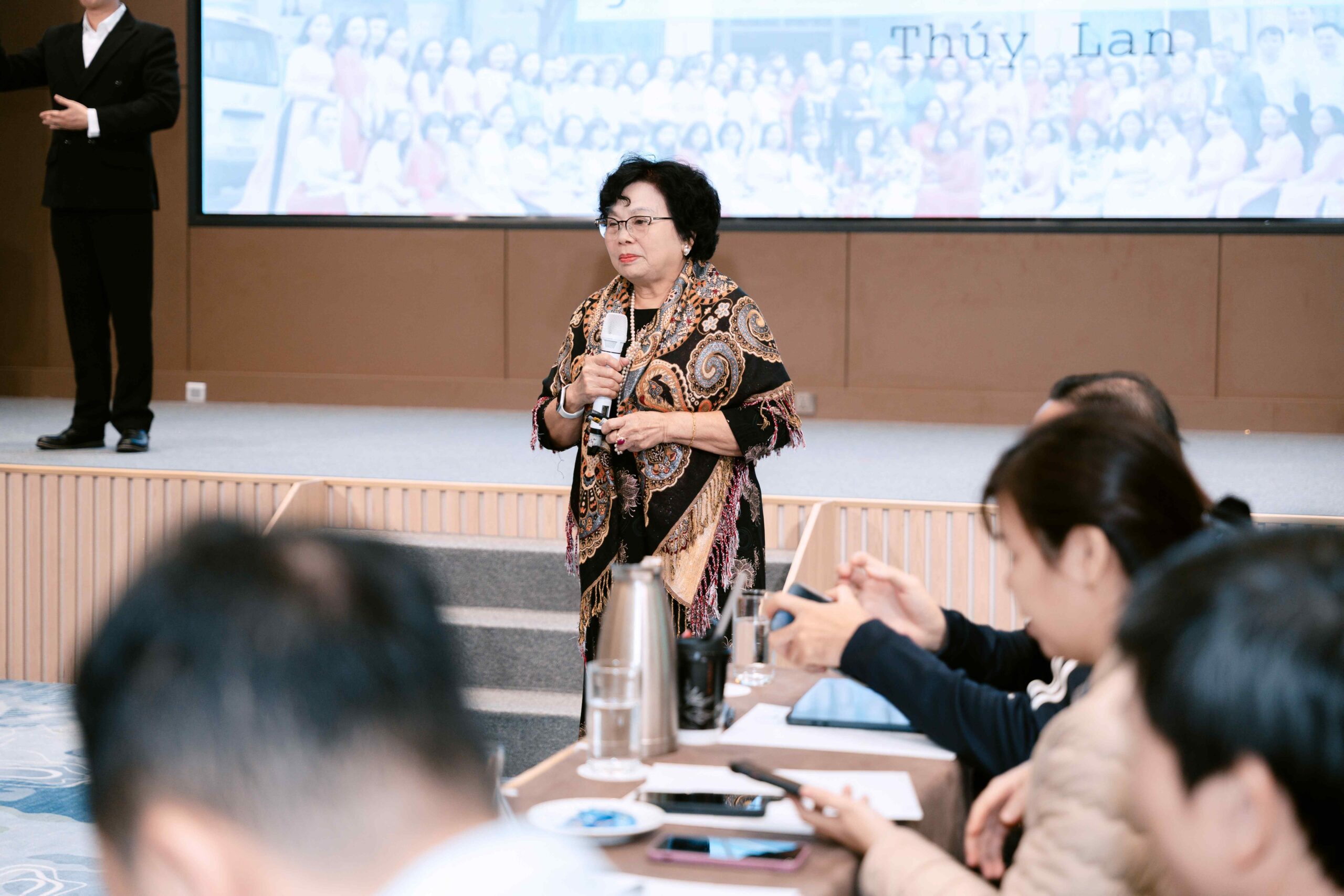
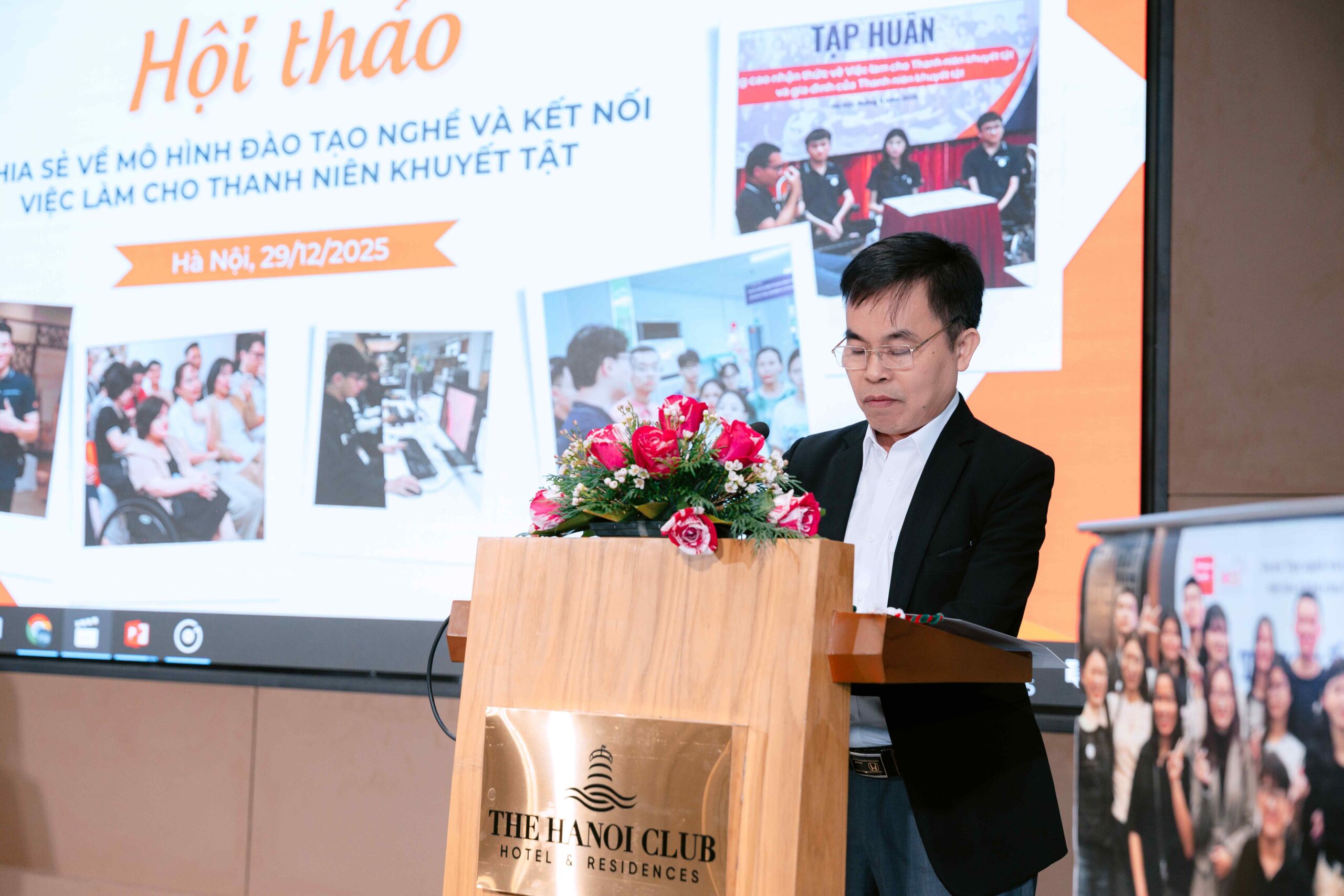

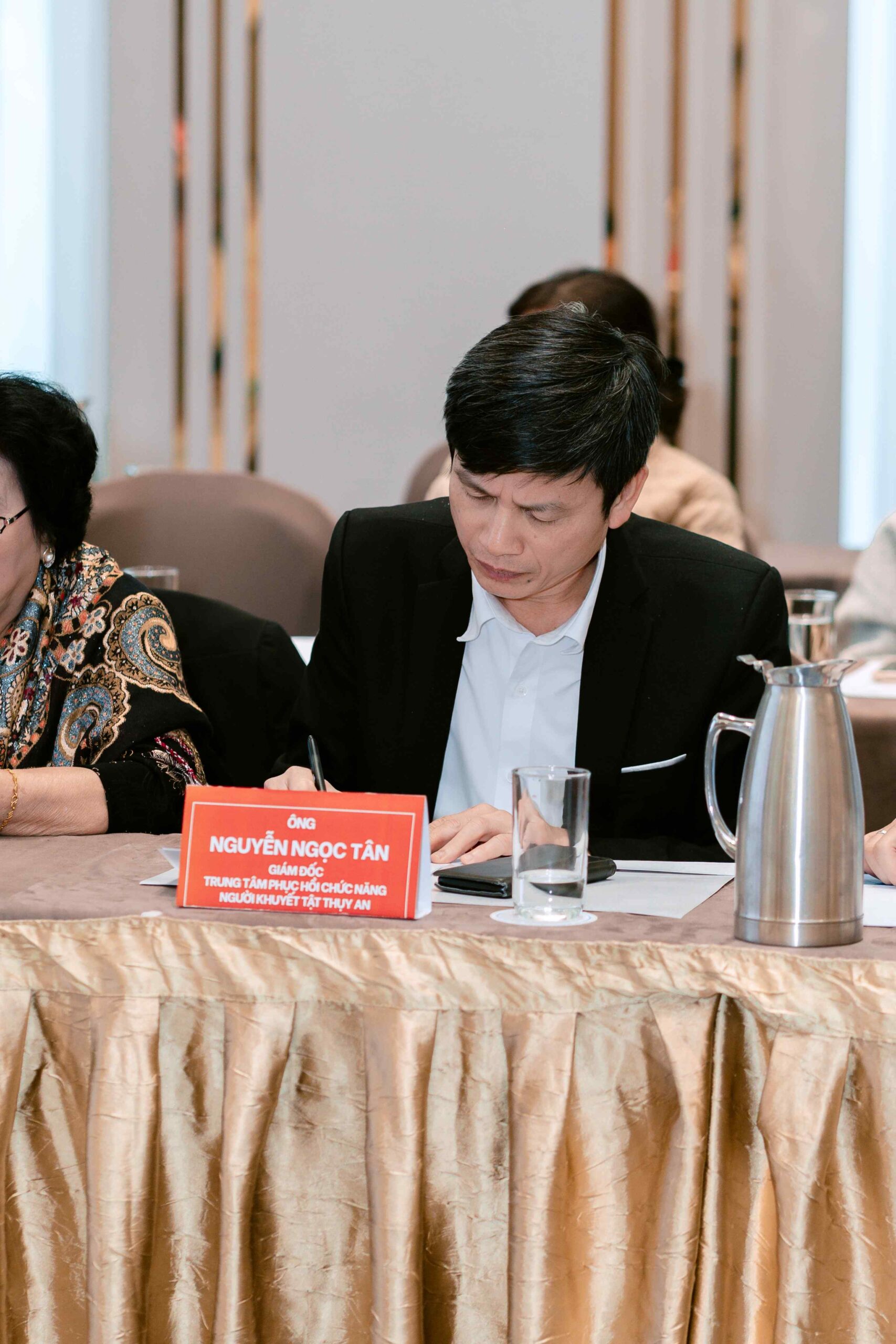
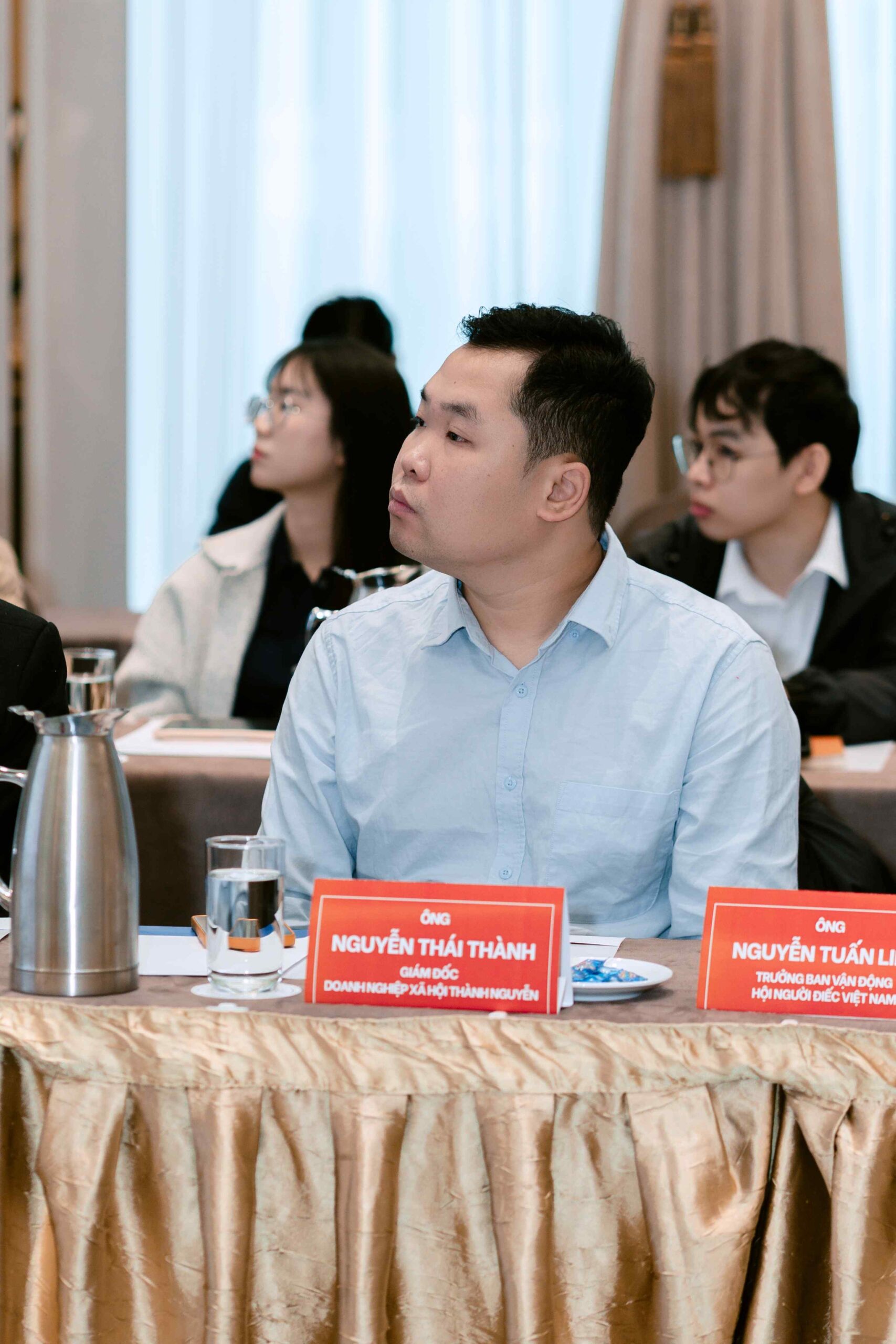
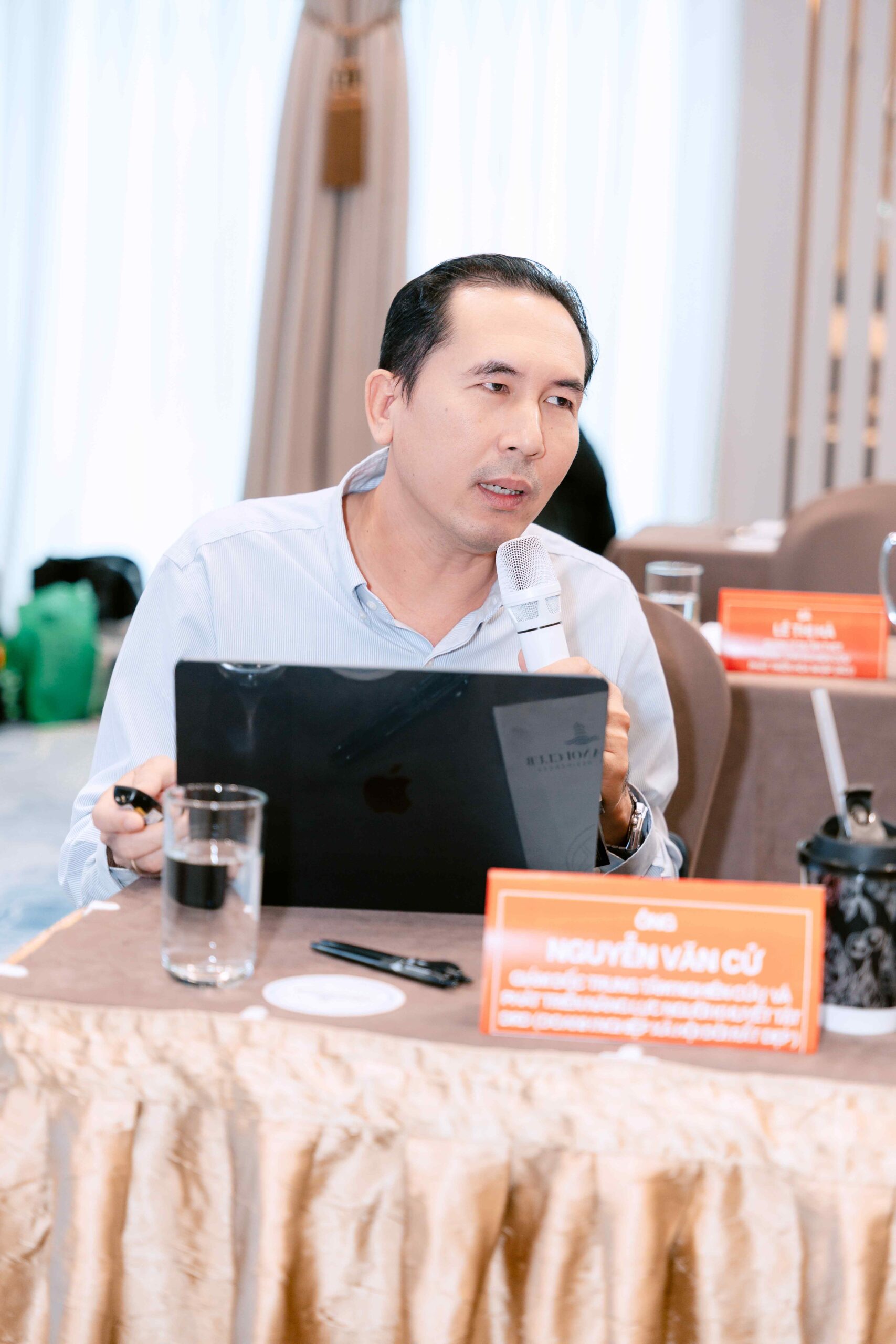


During the workshop, participants shared and discussed various models of vocational training and employment linkage for persons with disabilities that are being implemented in Viet Nam and internationally, addressing different types of disabilities. The good practices and lessons learned presented at the workshop provided an important foundation for organizations, particularly enterprises and non-governmental organizations, to design more appropriate solutions to support youth with disabilities in accessing employment, moving toward independent living and social inclusion.
The workshop also provided an opportunity for RCI to review the outcomes and effectiveness of the TVET project and to express sincere appreciation to partner organizations, enterprises, and youth with disabilities who have accompanied and contributed to the project over the past years.


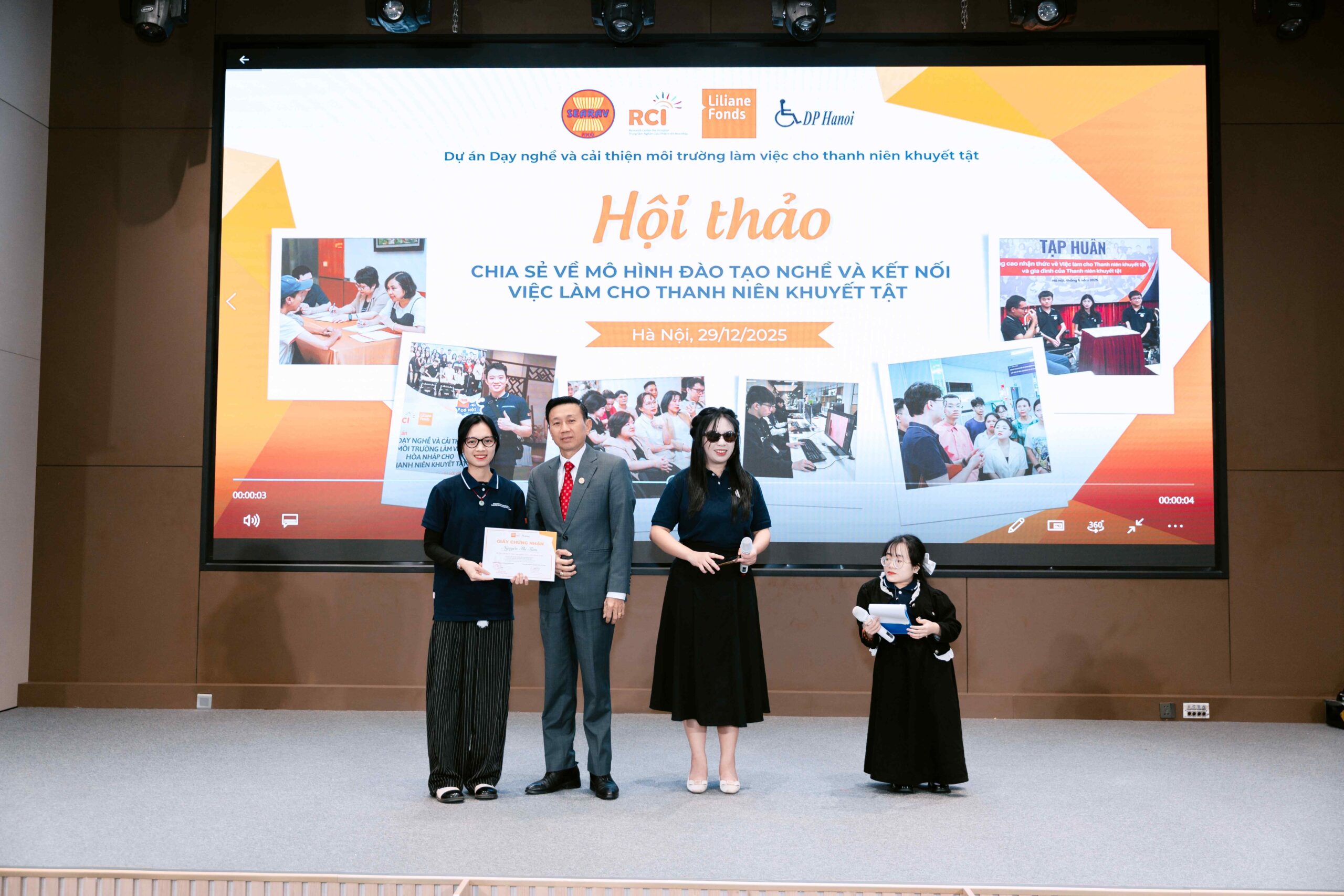
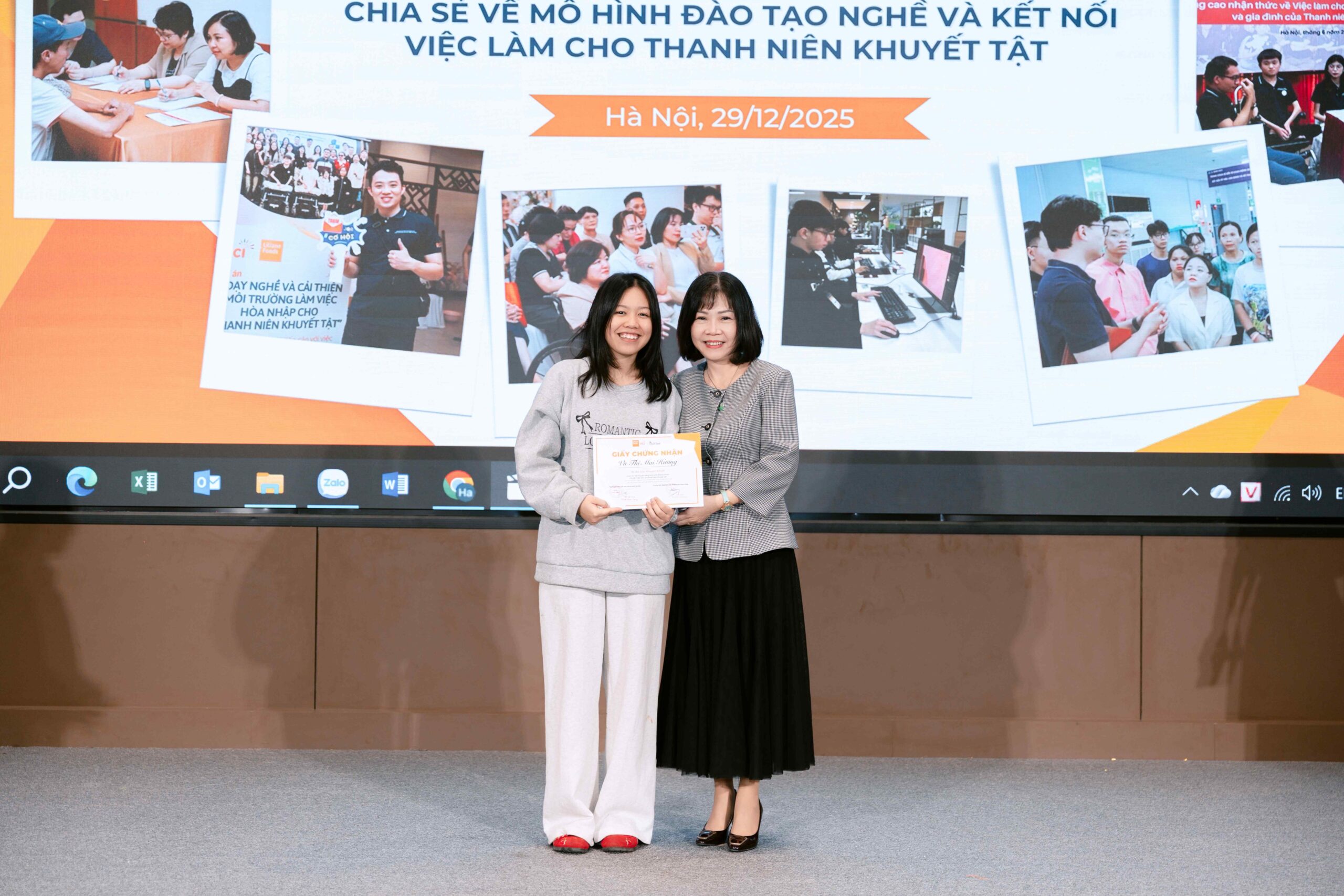
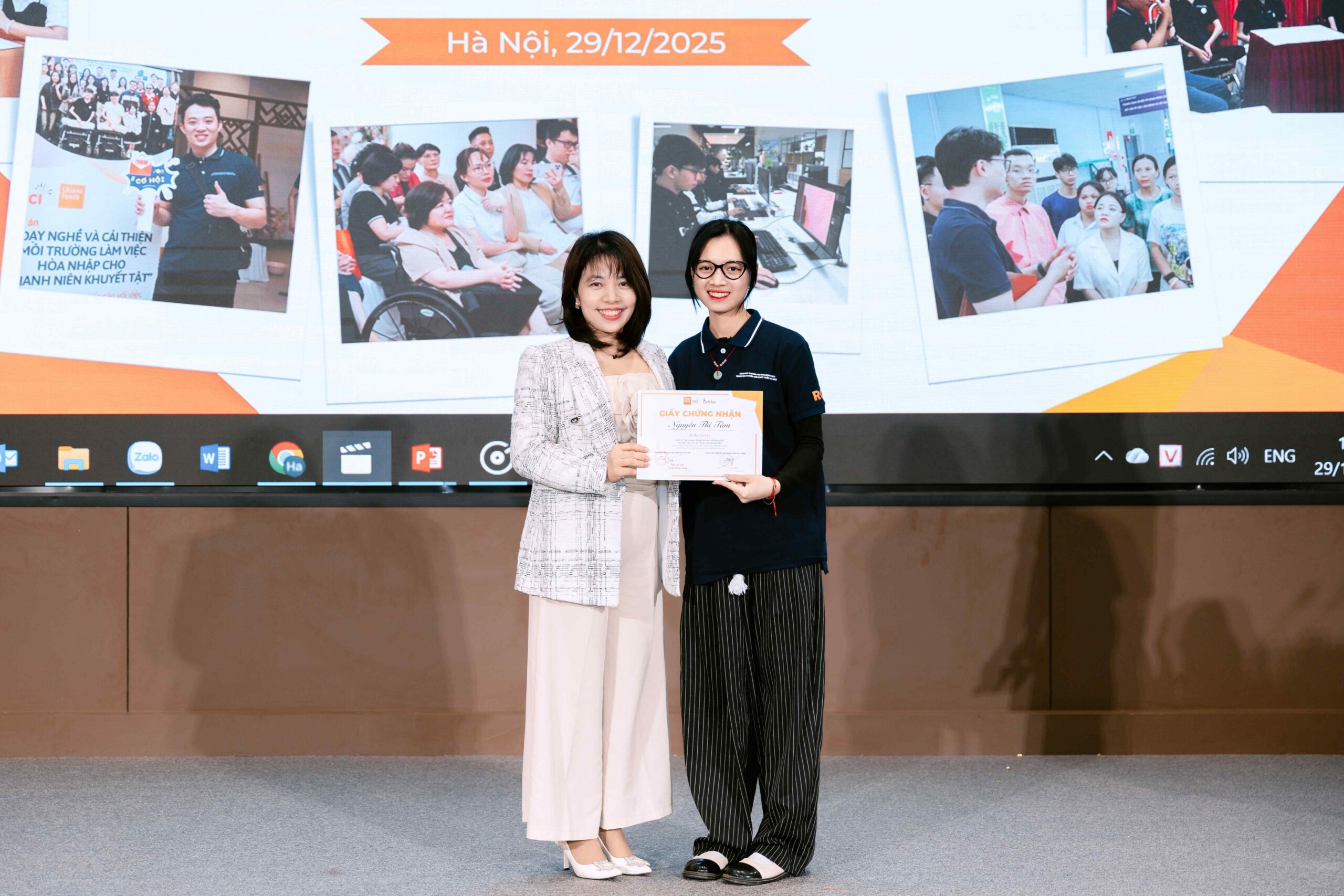

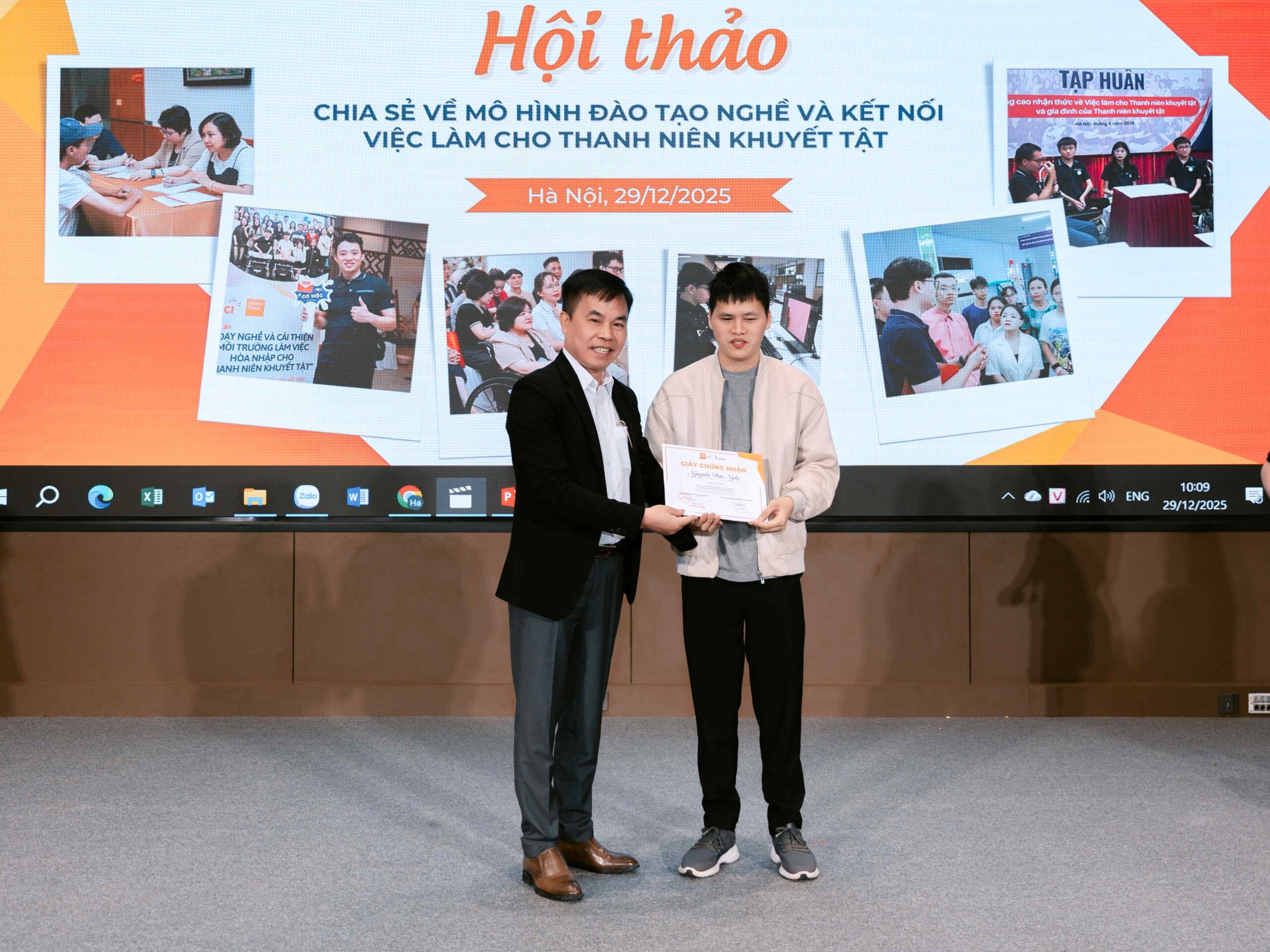
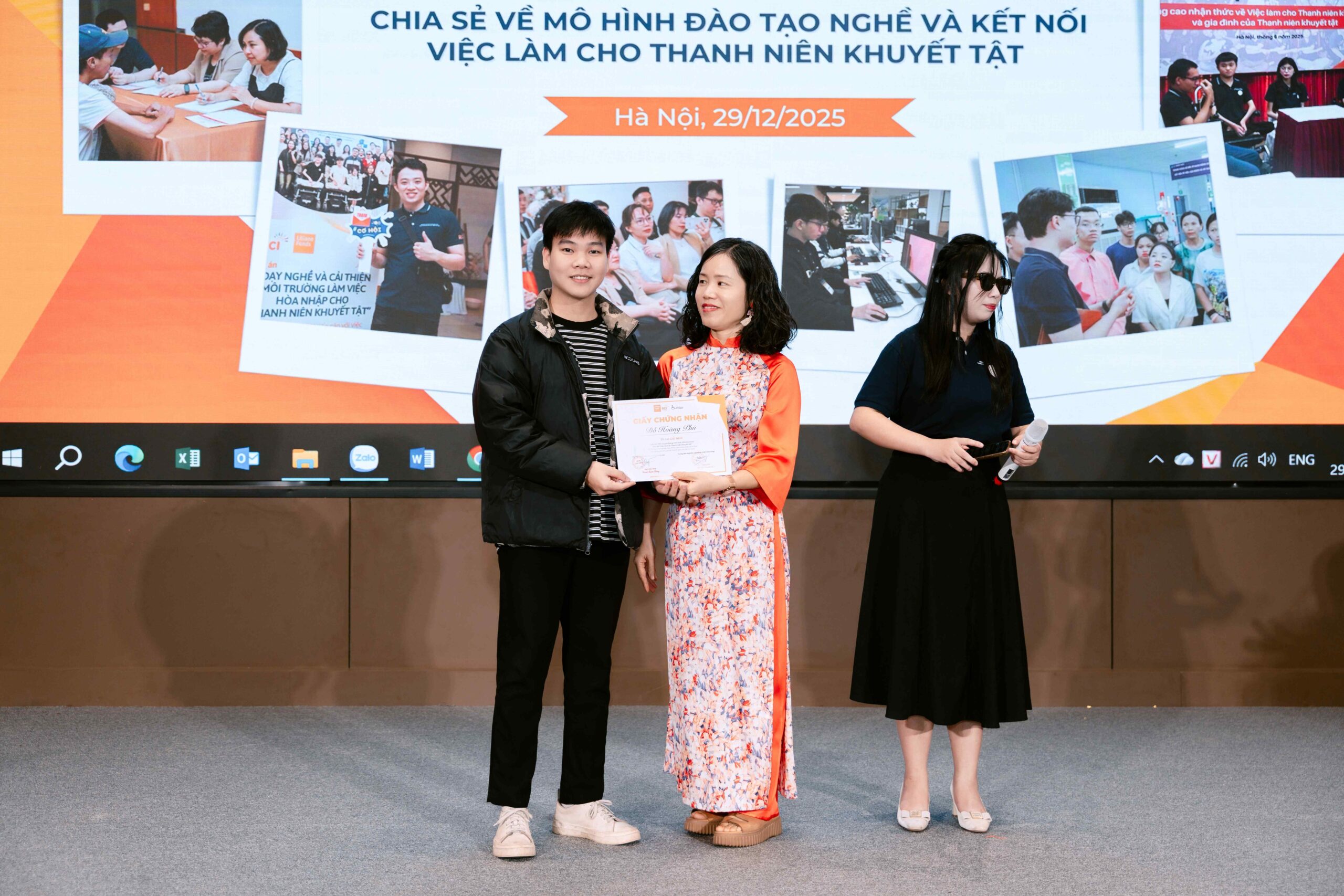

According to the final evaluation report conducted by an independent consultant, the TVET project achieved remarkable results and was assessed as having “exceeded expectations”:
- 100% of youth with disabilities participating in the project reported increased self-confidence and capacity for social inclusion;
- 82.8% of youth with disabilities reduced their dependence on family support;
- 12.1% of youth with disabilities became fully financially independent;
- The number of youth with disabilities securing stable employment and income exceeded the original target by more than 120%.
Notably, the project contributed to building a sustainable support ecosystem in which enterprises, families, organizations of and for persons with disabilities, social organizations, youth project ambassadors, and peer counselors worked together, forming a supportive circle that provided timely and effective assistance to youth with disabilities throughout their journey of vocational training, job seeking, and social inclusion.
For more information about the project, please access our website at this link:
RCI.NLR or follow our Facebook page at: Research Center for Inclusion